Oliver Daniel, Yuan Shuiqiao, McSwiggin Hayden, Yan Wei
Department of Physiology and Cell Biology, University of Nevada School of Medicine, Reno, Nevada, United States of America.
PLoS One. 2015 Jun 8;10(6):e0129457. doi: 10.1371/journal.pone.0129457. eCollection 2015.
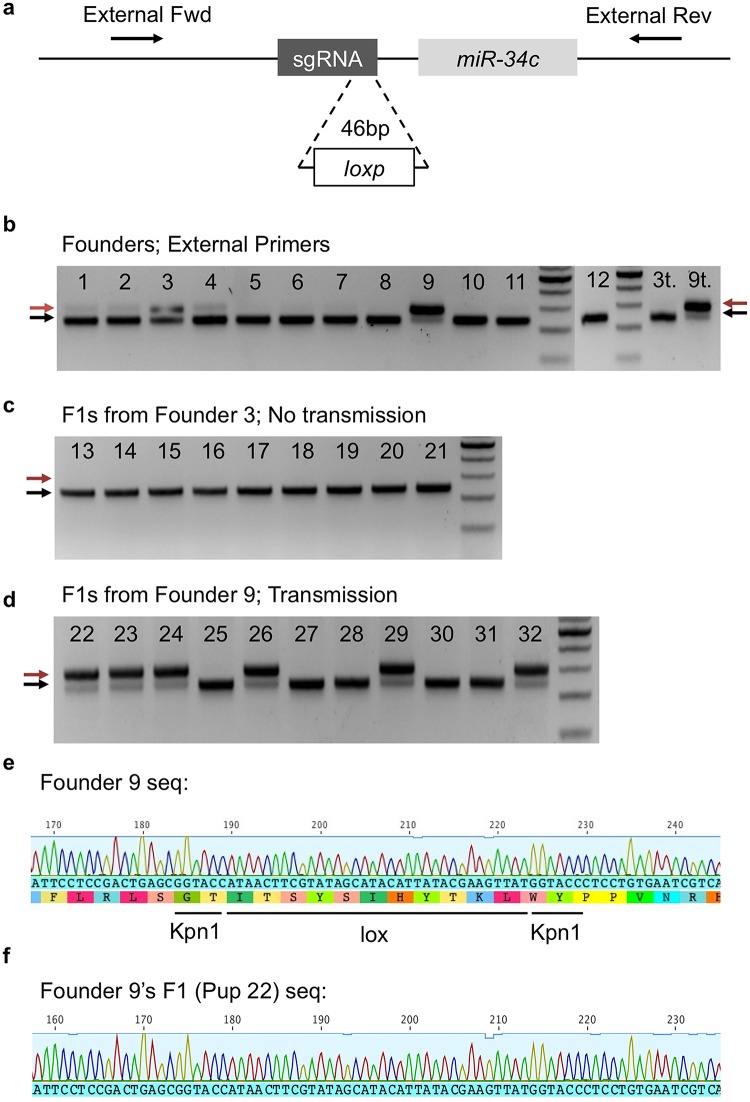
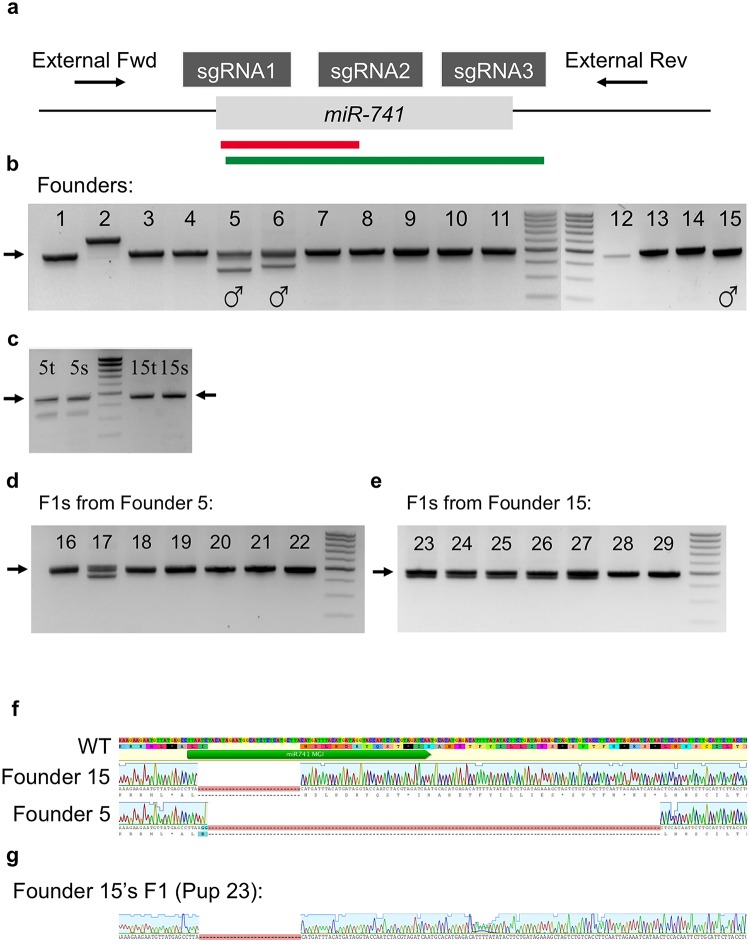
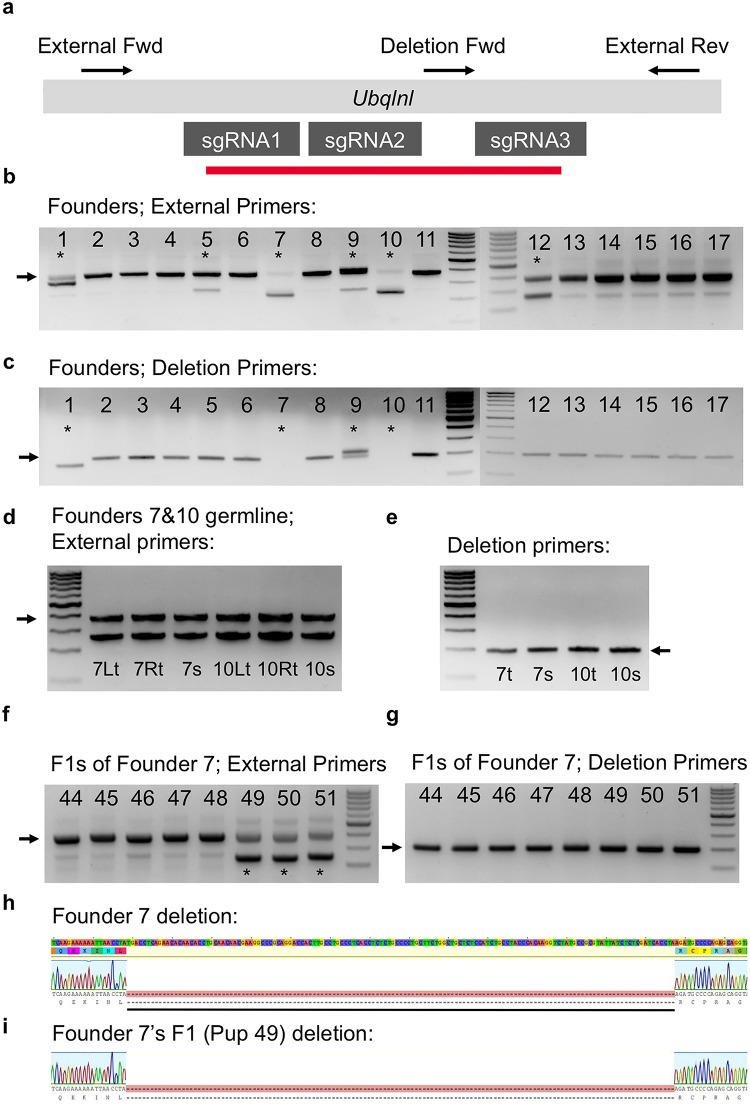
Genome editing technologies, especially the Cas9/CRISPR system, have revolutionized biomedical research over the past several years. Generation of novel alleles has been simplified to unprecedented levels, allowing for rapid expansion of available genetic tool kits for researchers. However, the issue of genotypic mosaicism has become evident, making stringent analyses of the penetrance of genome-edited alleles essential. Here, we report that founder mice, derived from pronuclear injection of ZFNs or a mix of guidance RNAs and Cas9 mRNAs, display consistent genotypic mosaicism for both deletion and insertion alleles. To identify founders with greater possibility of transmitting the mutant allele through the germline, we developed an effective germline genotyping method. The awareness of the inherent genotypic mosaicism issue with genome editing will allow for a more efficient implementation of the technologies, and the germline genotyping method will save valuable time and resources.
在过去几年中,基因组编辑技术,尤其是Cas9/CRISPR系统,给生物医学研究带来了变革。新等位基因的产生已被简化到前所未有的程度,这使得研究人员可用的遗传工具套件得以迅速扩充。然而,基因型嵌合现象已变得明显,因此对基因组编辑等位基因的外显率进行严格分析至关重要。在此,我们报告称,通过原核注射锌指核酸酶(ZFNs)或引导RNA与Cas9 mRNA的混合物获得的奠基小鼠,对于缺失和插入等位基因均表现出一致的基因型嵌合现象。为了鉴定更有可能通过种系传递突变等位基因的奠基小鼠,我们开发了一种有效的种系基因分型方法。认识到基因组编辑中固有的基因型嵌合问题将有助于更有效地应用这些技术,而种系基因分型方法将节省宝贵的时间和资源。