O.A.S.I. Bioresearch Foundation, Milan, Italy.
Institute for Medical Science in Sports, Osaka Health Science University, Osaka, Japan.
Cartilage. 2015 Apr;6(2):82-97. doi: 10.1177/1947603514563597.
To compare the outcome of matrix-induced autologous chondrocyte implantation (MACI) and bone marrow aspirate concentrate (BMAC)-derived multipotent stem cells (MSCs) implantation in patellofemoral chondral lesions, using the same HYAFF11 scaffold.
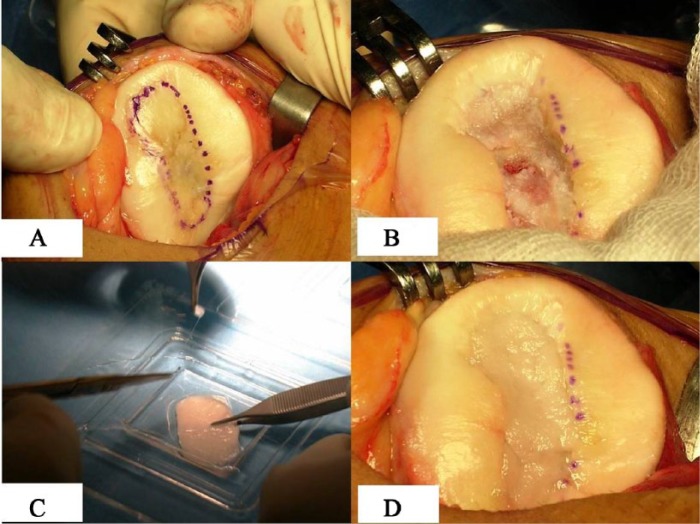
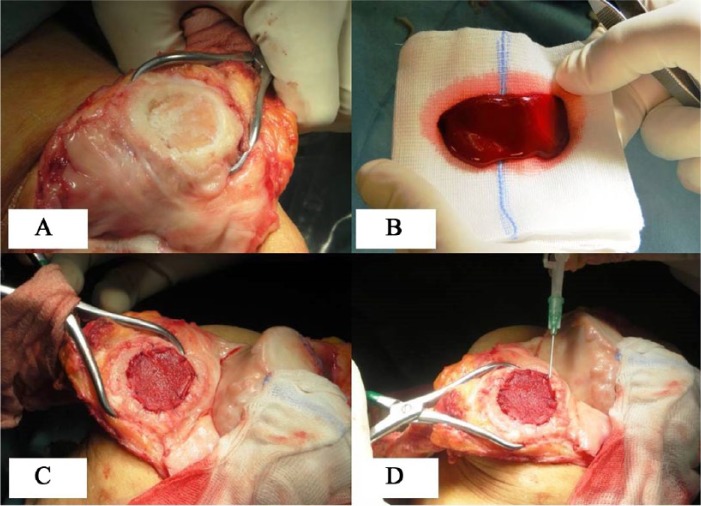
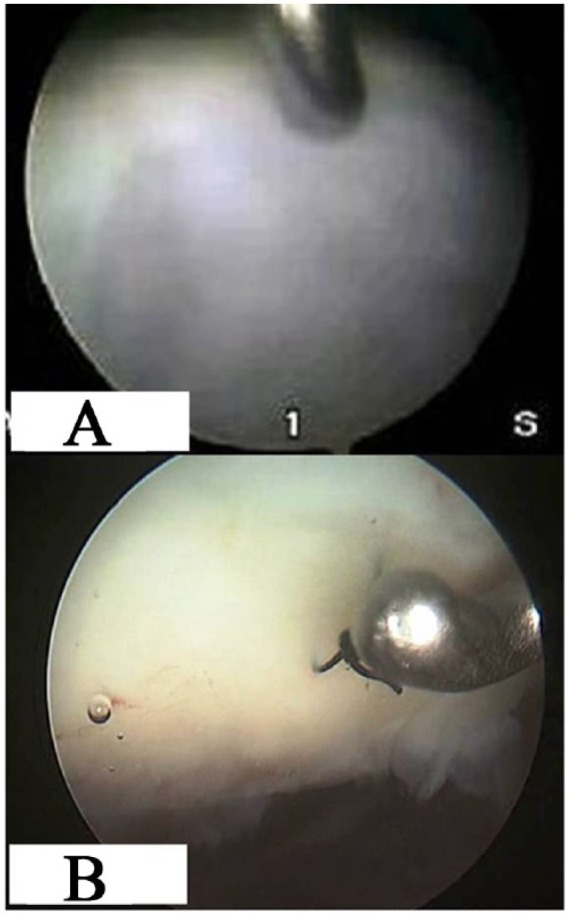
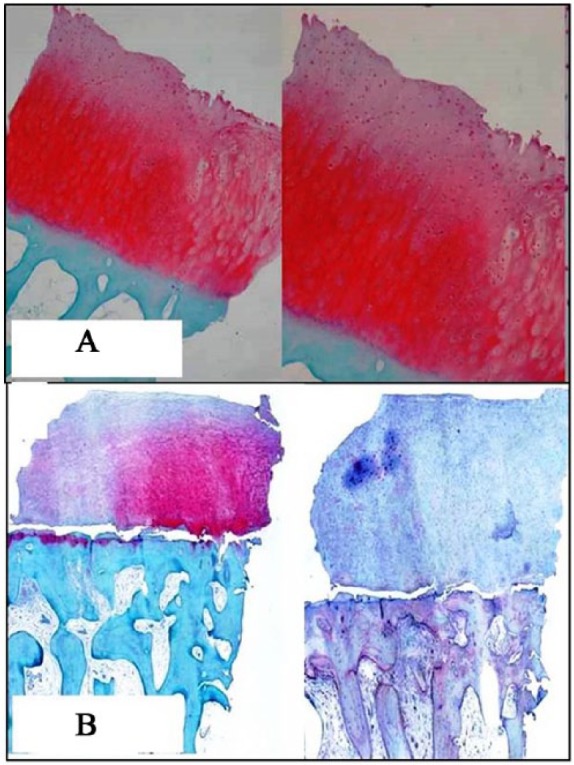
From January 2005 to December 2010, 37 patients with patellofemoral chondral lesions were prospectively followed up, for a minimum of 3 years; 19 of these patients were treated with MACI and 18 with BMAC. Radiographs, magnetic resonance imaging, and clinical scores (International Knee Documentation Committee, Knee Injury and Osteoarthritis Outcome Score, visual analog scale, and Tegner) were collected preoperatively, at 2-year and final follow-up. Five patients of MACI and 6 of the BMAC group underwent second-look arthroscopy; 4 patients of each group consented to a concomitant biopsy.
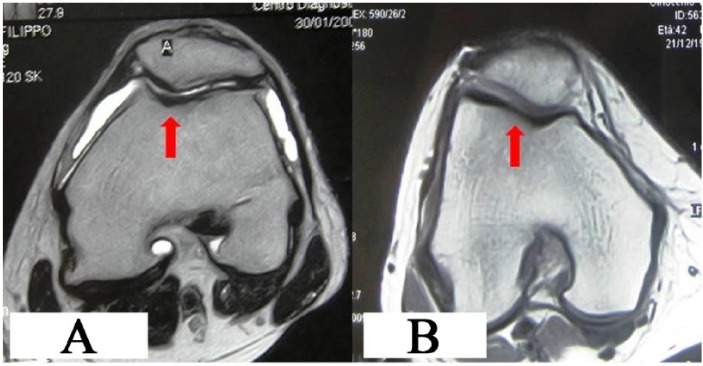
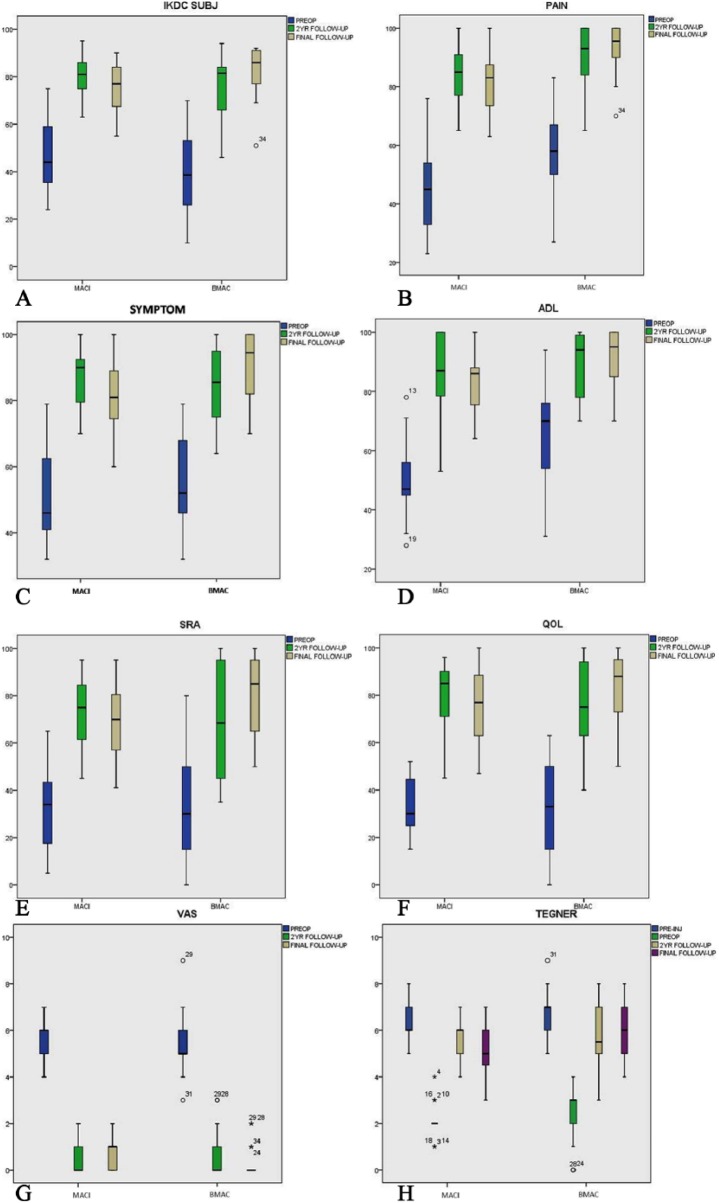
No adverse reactions or postoperative infections were noted. Baseline characteristics were similar in both groups (P > 0.05). Both groups showed significant improvement in all scores, from preoperative to final follow-up (P = 0.001), but there was no significant difference in improvement between the 2 groups, except for the IKDC subjective score (P = 0.015), which favored the BMAC group. Deterioration in MACI and improvement in BMAC group scores were noticed, from 2-year to final follow-up, but was nonsignificant. MACI patients with trochlear lesions showed better results than patellar lesions, while location was not a prognostic factor in the BMAC group. MRI showed complete filling of the defects in 76% of patients in MACI and 81% of patients in BMAC, and histological analysis revealed hyaline-like features.
Both techniques are viable and effective for large patellofemoral chondral lesions at minimum 3-year follow-up.
比较使用同种 HYAFF11 支架的基质诱导自体软骨细胞移植(MACI)和骨髓抽吸浓缩物(BMAC)衍生的多能干细胞(MSCs)植入治疗髌股软骨病变的疗效。
2005 年 1 月至 2010 年 12 月,前瞻性随访 37 例髌股软骨病变患者,随访时间至少 3 年;其中 19 例患者接受 MACI 治疗,18 例患者接受 BMAC 治疗。收集患者术前、术后 2 年和最终随访时的 X 线片、磁共振成像(MRI)和临床评分(国际膝关节文献委员会评分、膝关节损伤和骨关节炎结果评分、视觉模拟评分和 Tegner 评分)。MACI 组中有 5 例和 BMAC 组中有 6 例患者接受了二次关节镜检查;每组中有 4 例患者同意进行伴随活检。
未观察到不良反应或术后感染。两组患者的基线特征相似(P>0.05)。两组患者的所有评分均从术前到最终随访均有显著改善(P=0.001),但两组之间的改善无显著差异,除 IKDC 主观评分外(P=0.015),MACI 组的评分更好。MACI 组中,从术后 2 年到最终随访,患者的评分恶化,但无统计学意义;而 BMAC 组中,患者的评分则改善,但无统计学意义。在 MACI 组中,滑车病变患者的结果优于髌骨病变患者,而在 BMAC 组中,病变位置不是预后因素。MRI 显示 MACI 组中有 76%的患者和 BMAC 组中有 81%的患者的缺损完全填充,组织学分析显示具有透明样特征。
在至少 3 年的随访中,这两种技术对于大面积髌股软骨病变都是可行且有效的。