Bartkowska-Śniatkowska Alicja, Jończyk-Potoczna Katarzyna, Zielińska Marzena, Rosada-Kurasińska Jowita
Department of Pediatric Anesthesiology and Intensive Therapy, Poznan University of Medical Sciences, Poznan, Poland.
Department of Pediatric Radiology, Poznan University of Medical Sciences, Poznan, Poland.
Ther Clin Risk Manag. 2015 Jul 2;11:1035-41. doi: 10.2147/TCRM.S79419. eCollection 2015.
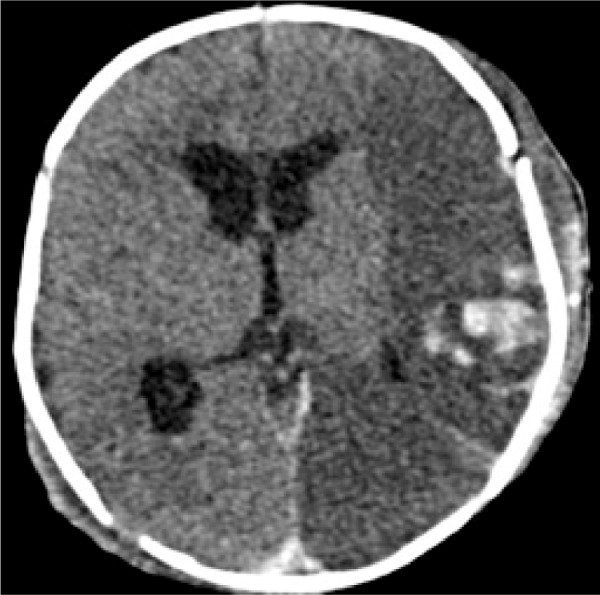
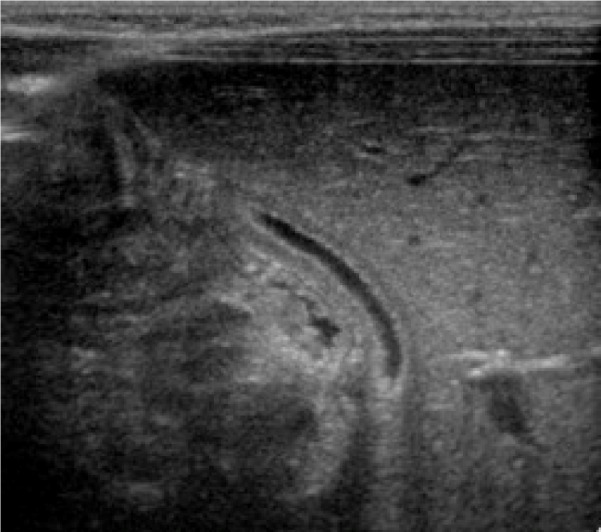
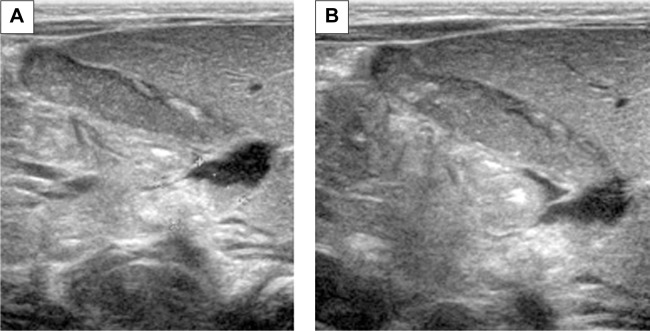
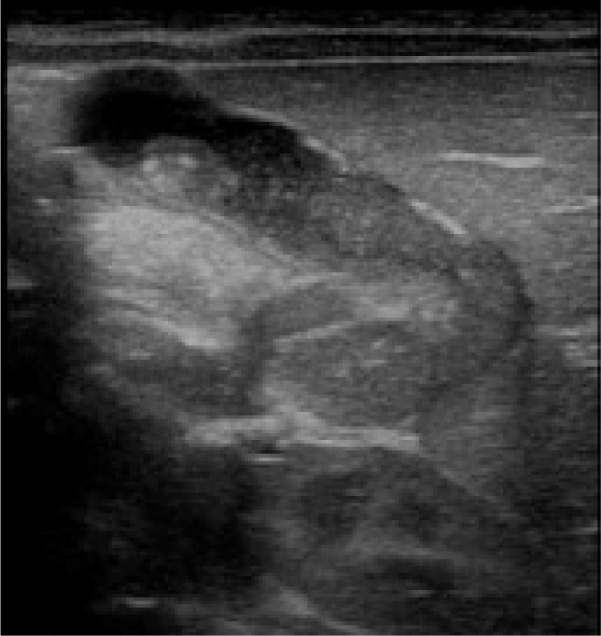
The debate as to whether to administer ceftriaxone to neonates is likely to continue. Ceftriaxone has numerous advantages for critically ill pediatric patients. However, it is also known to contribute substantially to the development of biliary pseudolithiasis. Although pediatric patients rarely develop gallbladder disorders, this complication may lead to adverse events in high-risk patients with predisposing factors, particularly in neonates and infants treated with ceftriaxone. In this paper we present an interesting case report of a 28-day-old neonate with spontaneous severe epidural hematoma who developed biliary pseudolithiasis related to the use of ceftriaxone. We also discuss the efficacy of ceftriaxone in neonates and infants. Neonatologists and pediatric intensivists should be aware of the higher risk of co-existence of hyperbilirubinemia and gallbladder disorders while using ceftriaxone in pediatric settings.
关于是否给新生儿使用头孢曲松的争论可能会持续下去。头孢曲松对重症儿科患者有诸多益处。然而,众所周知它在很大程度上会促使胆汁假性结石的形成。虽然儿科患者很少发生胆囊疾病,但这种并发症可能会在有易感因素的高危患者中导致不良事件,尤其是在接受头孢曲松治疗的新生儿和婴儿中。在本文中,我们呈现了一例有趣的病例报告,一名28天大的患有自发性严重硬膜外血肿的新生儿,因使用头孢曲松而发生了胆汁假性结石。我们还讨论了头孢曲松在新生儿和婴儿中的疗效。新生儿科医生和儿科重症监护医生在儿科环境中使用头孢曲松时应意识到高胆红素血症和胆囊疾病并存的更高风险。