Department of Microbial Chemical Biology and Drug Discovery, Iwate Medical University School of Pharmaceutical Sciences, 2-1-1 Nishitokuta, Yahaba-cho, Shiwa-gun, Iwate 028-3694, Japan.
FEBS Open Bio. 2015 Jun 22;5:542-9. doi: 10.1016/j.fob.2015.06.007. eCollection 2015.
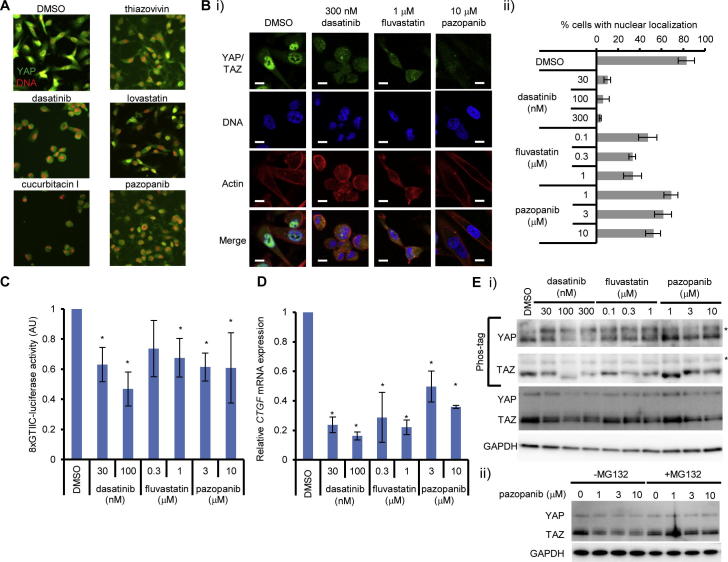
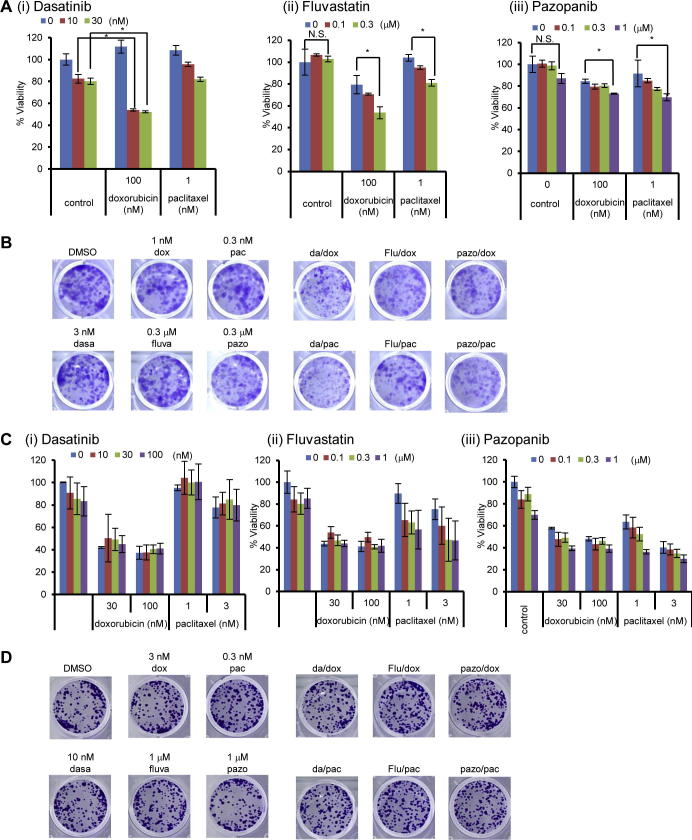
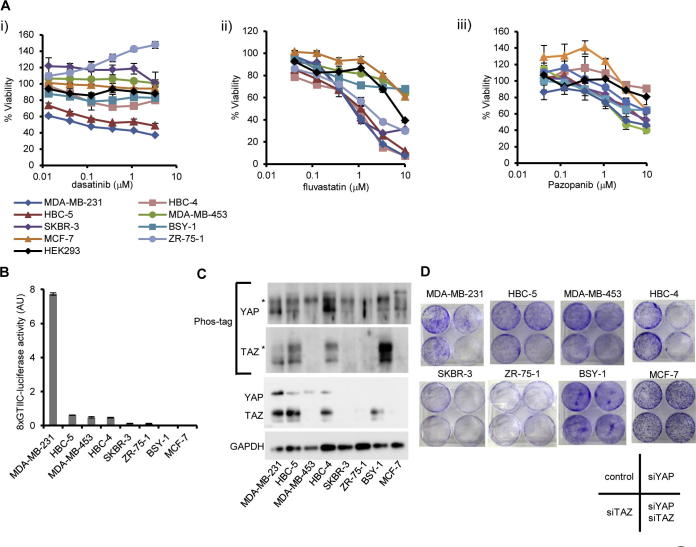
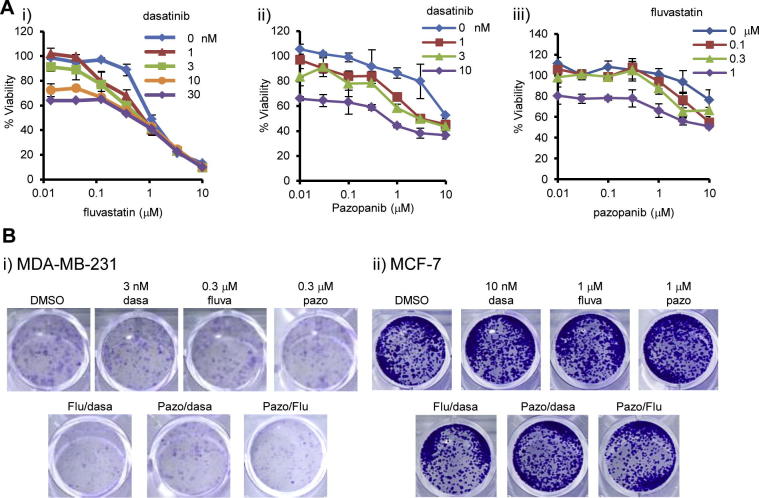
YAP and TAZ oncoproteins confer malignancy and drug resistance to various cancer types. We screened for small molecules that inhibit the nuclear localization of YAP/TAZ. Dasatinib, statins and pazopanib inhibited the nuclear localization and target gene expression of YAP and TAZ. All three drugs induced phosphorylation of YAP and TAZ, and pazopanib induced proteasomal degradation of YAP/TAZ. The sensitivities to these drugs are correlated with dependence on YAP/TAZ in breast cancer cell lines. Combinations of these compounds with each other or with other anti-cancer drugs efficiently reduced cell proliferation of YAP/TAZ-dependent breast cancer cells. These results suggest that these drugs can be therapeutics and chemosensitizers for YAP/TAZ-dependent breast cancers.
YAP 和 TAZ 癌蛋白赋予各种癌症类型恶性肿瘤和耐药性。我们筛选了抑制 YAP/TAZ 核定位的小分子。达沙替尼、他汀类药物和帕唑帕尼抑制 YAP 和 TAZ 的核定位和靶基因表达。这三种药物都诱导 YAP 和 TAZ 的磷酸化,帕唑帕尼诱导 YAP/TAZ 的蛋白酶体降解。这些药物的敏感性与乳腺癌细胞系中对 YAP/TAZ 的依赖性相关。这些化合物之间的组合或与其他抗癌药物的组合有效地降低了 YAP/TAZ 依赖性乳腺癌细胞的增殖。这些结果表明,这些药物可作为 YAP/TAZ 依赖性乳腺癌的治疗药物和化疗增敏剂。