McDole B, Isgor C, Pare C, Guthrie K
Department of Biomedical Science, Charles E. Schmidt College of Medicine, Florida Atlantic University, United States.
Department of Biomedical Science, Charles E. Schmidt College of Medicine, Florida Atlantic University, United States.
Neuroscience. 2015 Sep 24;304:146-60. doi: 10.1016/j.neuroscience.2015.07.056. Epub 2015 Jul 23.
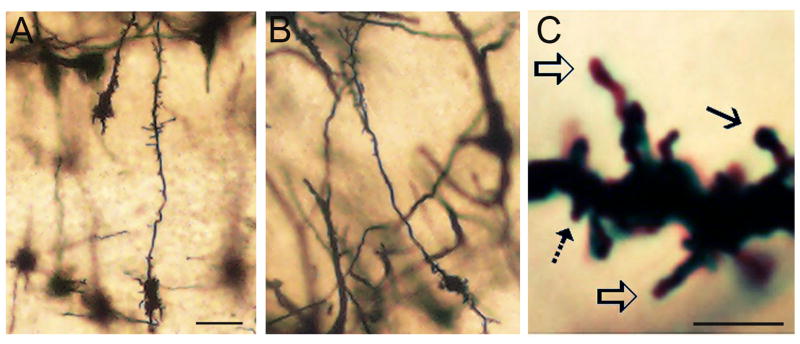
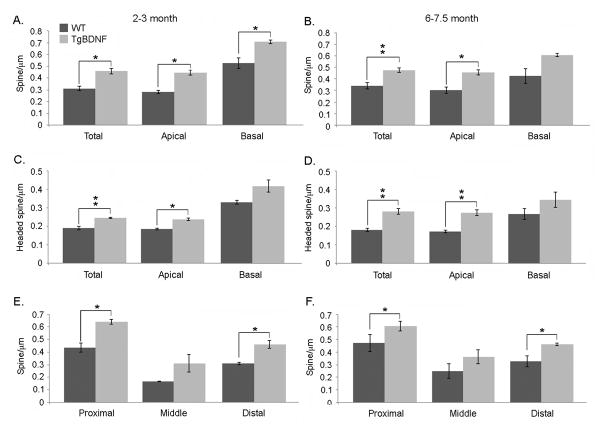
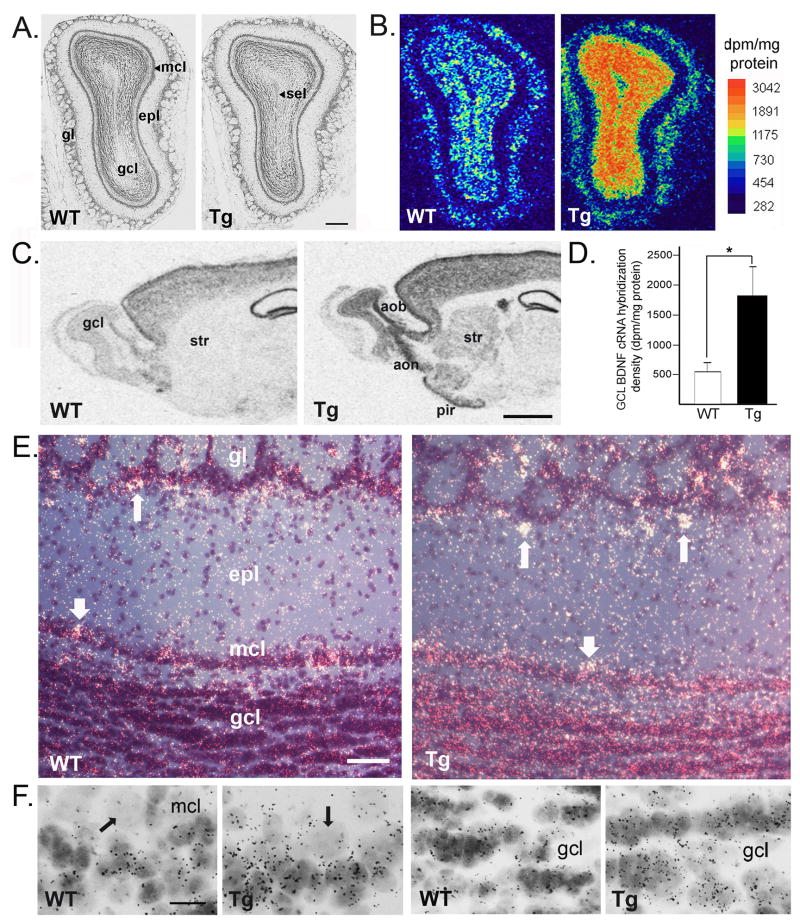
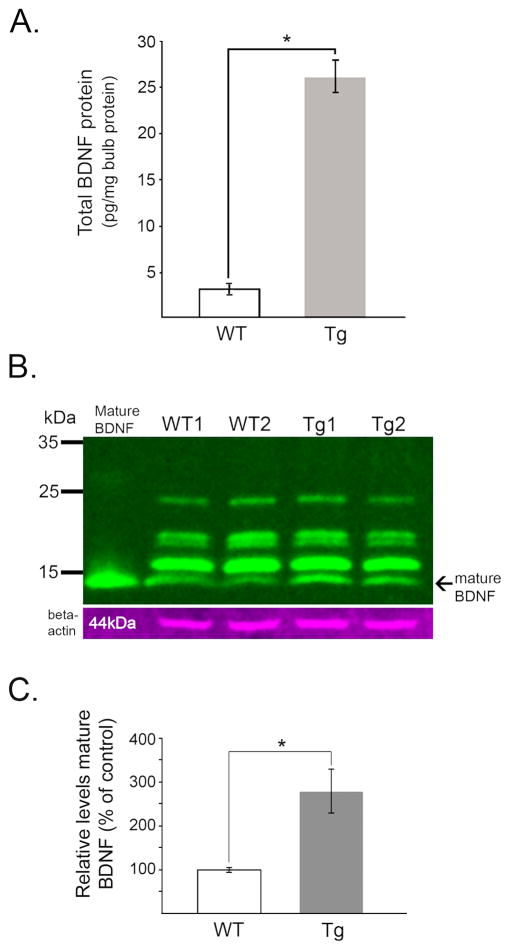
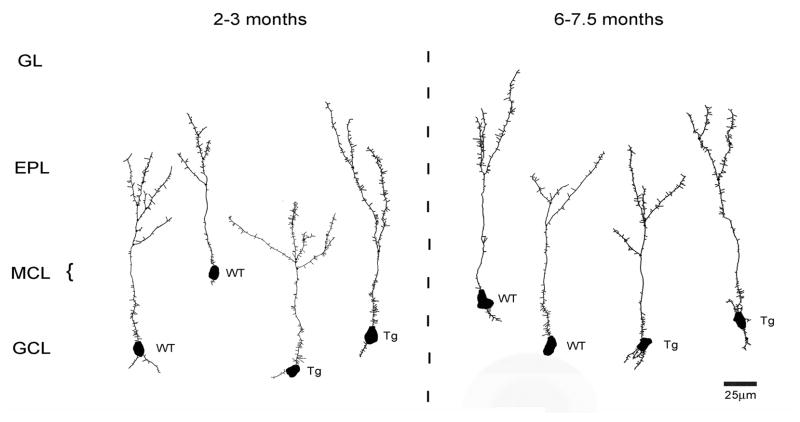
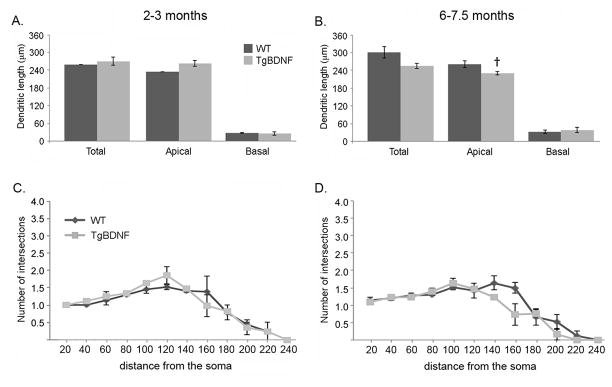
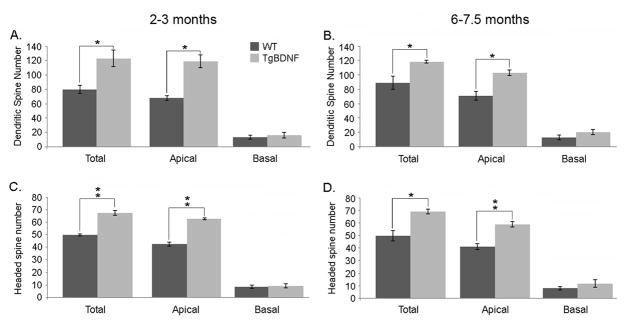
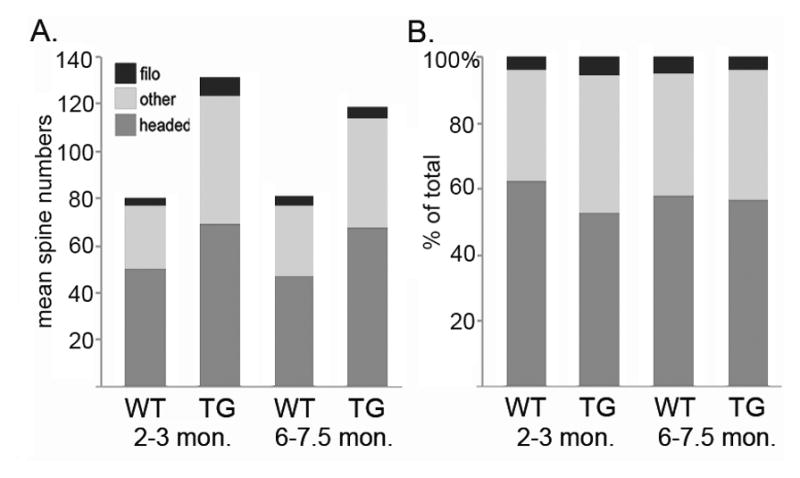
Olfactory bulb granule cells (GCs) are axon-less, inhibitory interneurons that regulate the activity of the excitatory output neurons, the mitral and tufted cells, through reciprocal dendrodendritic synapses located on GC spines. These contacts are established in the distal apical dendritic compartment, while GC basal dendrites and more proximal apical segments bear spines that receive glutamatergic inputs from the olfactory cortices. This synaptic connectivity is vital to olfactory circuit function and is remodeled during development, and in response to changes in sensory activity and lifelong GC neurogenesis. Manipulations that alter levels of the neurotrophin brain-derived neurotrophic factor (BDNF) in vivo have significant effects on dendritic spine morphology, maintenance and activity-dependent plasticity for a variety of CNS neurons, yet little is known regarding BDNF effects on bulb GC spine maturation or maintenance. Here we show that, in vivo, sustained bulbar over-expression of BDNF in transgenic mice produces a marked increase in GC spine density that includes an increase in mature spines on their apical dendrites. Morphometric analysis demonstrated that changes in spine density were most notable in the distal and proximal apical domains, indicating that multiple excitatory inputs are potentially modified by BDNF. Our results indicate that increased levels of endogenous BDNF can promote the maturation and/or maintenance of dendritic spines on GCs, suggesting a role for this factor in modulating GC functional connectivity within adult olfactory circuitry.
嗅球颗粒细胞(GCs)是无轴突的抑制性中间神经元,它们通过位于GC树突棘上的相互树突-树突突触来调节兴奋性输出神经元(即二尖瓣细胞和簇状细胞)的活动。这些接触在远端顶端树突区建立,而GC的基底树突和更近端的顶端节段带有从嗅觉皮质接收谷氨酸能输入的树突棘。这种突触连接对于嗅觉回路功能至关重要,并且在发育过程中以及对感觉活动变化和终生GC神经发生的反应中会发生重塑。在体内改变神经营养因子脑源性神经营养因子(BDNF)水平的操作对多种中枢神经系统神经元的树突棘形态、维持和活动依赖性可塑性有显著影响,但关于BDNF对嗅球GC树突棘成熟或维持的影响知之甚少。在这里,我们表明,在体内,转基因小鼠中BDNF在嗅球的持续过表达会使GC树突棘密度显著增加,包括其顶端树突上成熟树突棘的增加。形态计量分析表明,树突棘密度的变化在顶端远端和近端区域最为明显,这表明多个兴奋性输入可能受到BDNF的影响。我们的结果表明,内源性BDNF水平的增加可以促进GC上树突棘的成熟和/或维持,这表明该因子在调节成年嗅觉回路中GC功能连接方面发挥作用。