Galvin Kathleen A, Beeton Tyler A, Boone Randall B, BurnSilver Shauna B
Department of Anthropology, Colorado State University, B-219 Andrew G. Clark Building, Fort Collins, CO 80523-1787 USA.
Graduate Degree Program in Ecology, Colorado State University, 238 Natural Resources Building, Fort Collins, CO 80523-1787 USA.
Hum Ecol Interdiscip J. 2015;43(3):411-424. doi: 10.1007/s10745-015-9749-x.
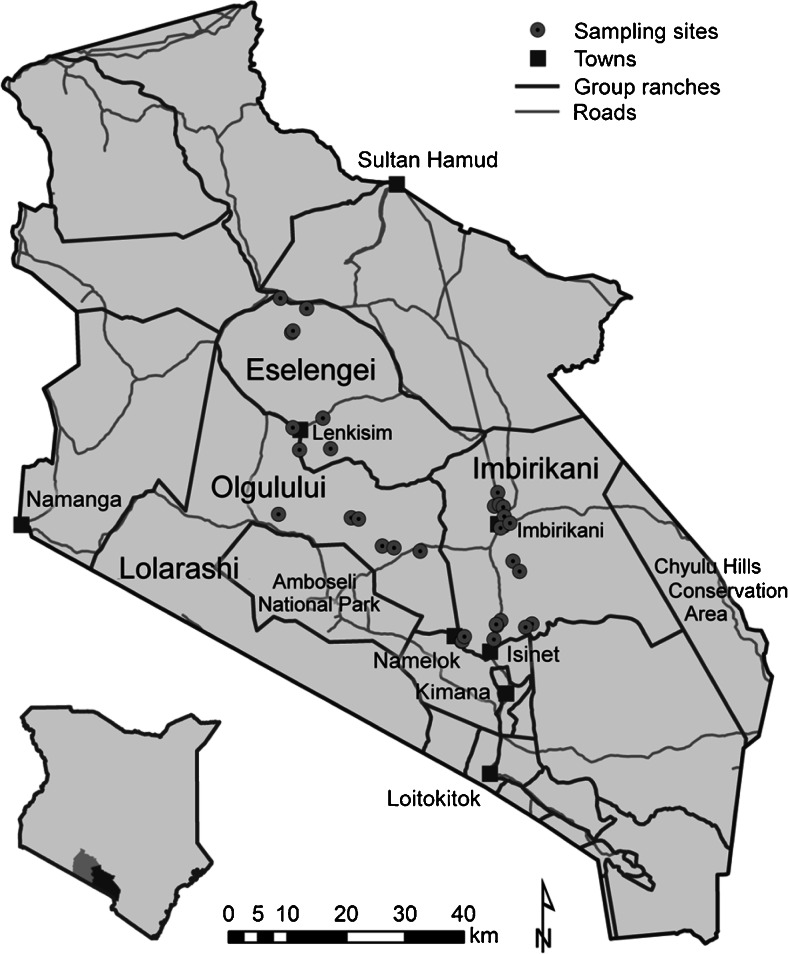
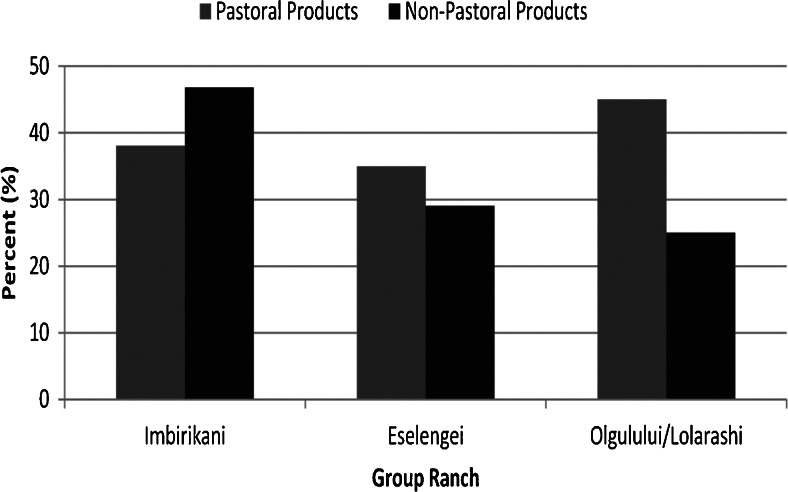
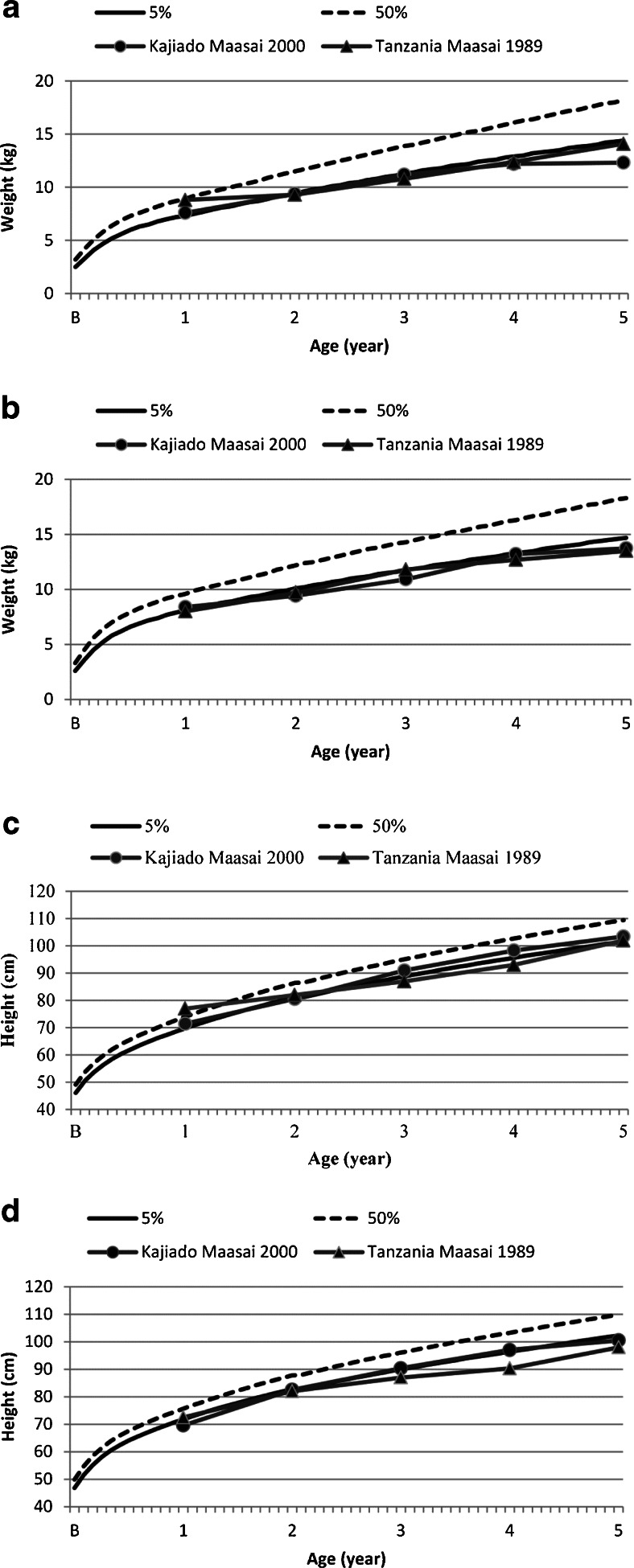
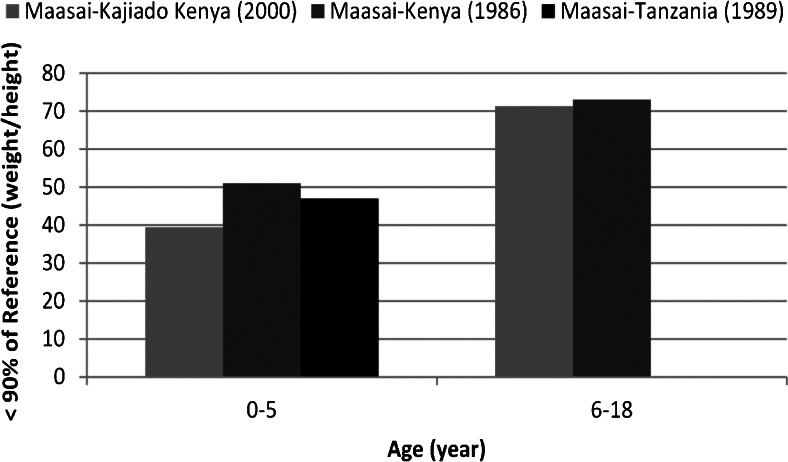
This study assesses the nutritional status of Maasai pastoralists living in a period of great social, economic and ecological changes in Kajiado County, southern Kenya. Data on weight, height, skinfolds, and circumferences were collected from 534 individuals in the year 2000. The data were used to describe mean differences in human nutrition between ages, sexes, and within and among three Group Ranches. Nutritional data and diet recall data were compared with past studies of Maasai nutrition from 1930 to 2000. Results indicate that nutritional status is poor and has remained so despite numerous changes to the social-ecological system including livelihood diversification, sedentarization, human population growth and decreased access to vegetation heterogeneity. Imbirikani Group Ranch had better access to infrastructure and markets and some measures of nutritional status were better than for individuals in other group ranches. However, nutritional status remains poor despite transitioning to greater market integration.
本研究评估了生活在肯尼亚南部卡贾多县社会、经济和生态发生巨大变化时期的马赛牧民的营养状况。2000年从534个人那里收集了体重、身高、皮褶厚度和周长数据。这些数据用于描述不同年龄、性别之间以及三个集团牧场内部和之间人类营养的平均差异。将营养数据和饮食回忆数据与1930年至2000年马赛人营养状况的过往研究进行了比较。结果表明,尽管社会生态系统发生了诸多变化,包括生计多样化、定居化、人口增长以及获取植被异质性的机会减少,但营养状况仍然很差。因比里卡尼集团牧场拥有更好的基础设施和市场准入条件,其营养状况的一些指标优于其他集团牧场的个体。然而,尽管向更大程度的市场融合转型,但营养状况仍然很差。