Anthony S J, St Leger J A, Liang E, Hicks A L, Sanchez-Leon M D, Jain K, Lefkowitch J H, Navarrete-Macias I, Knowles N, Goldstein T, Pugliares K, Ip H S, Rowles T, Lipkin W I
Center for Infection and Immunity, Mailman School of Public Health, Columbia University, New York, New York, USA Department of Epidemiology, Mailman School of Public Health, Columbia University, New York, New York, USA EcoHealth Alliance, New York, New York, USA
Department of Pathology and Research, SeaWorld Parks, San Diego, California, USA.
mBio. 2015 Aug 25;6(4):e01180-15. doi: 10.1128/mBio.01180-15.
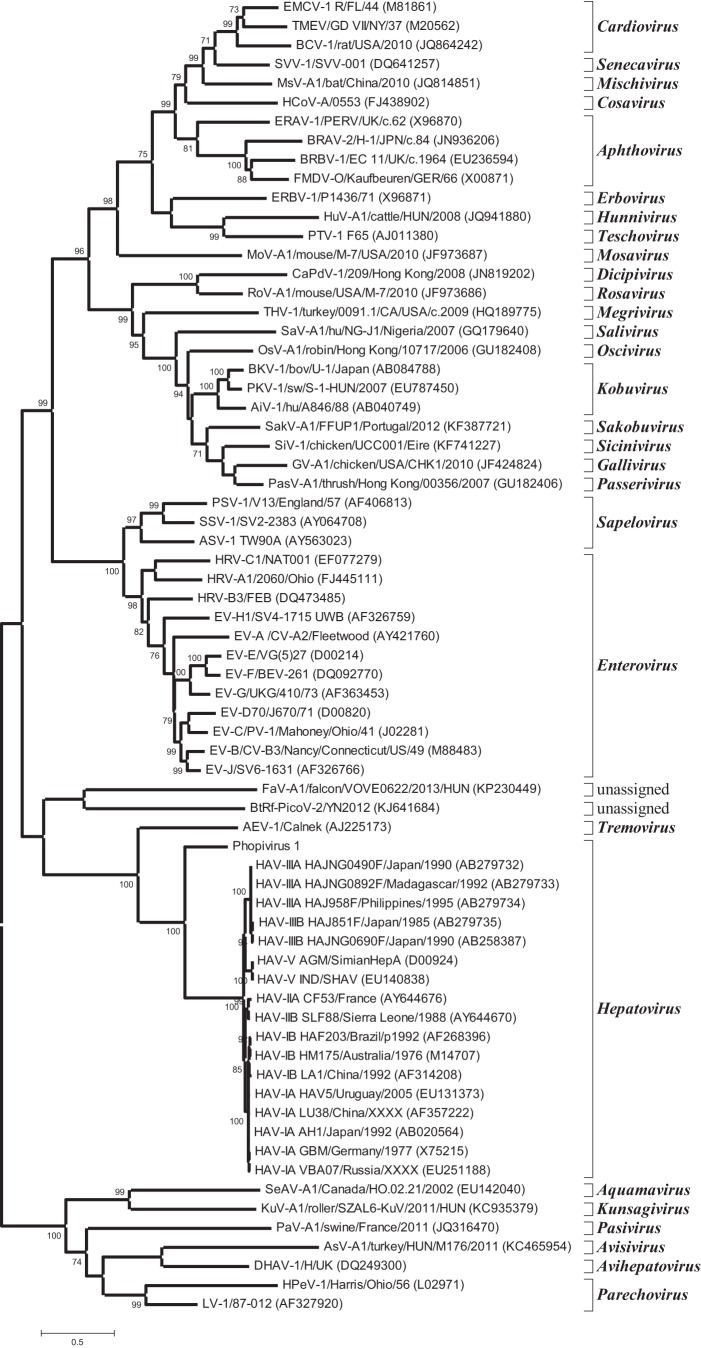
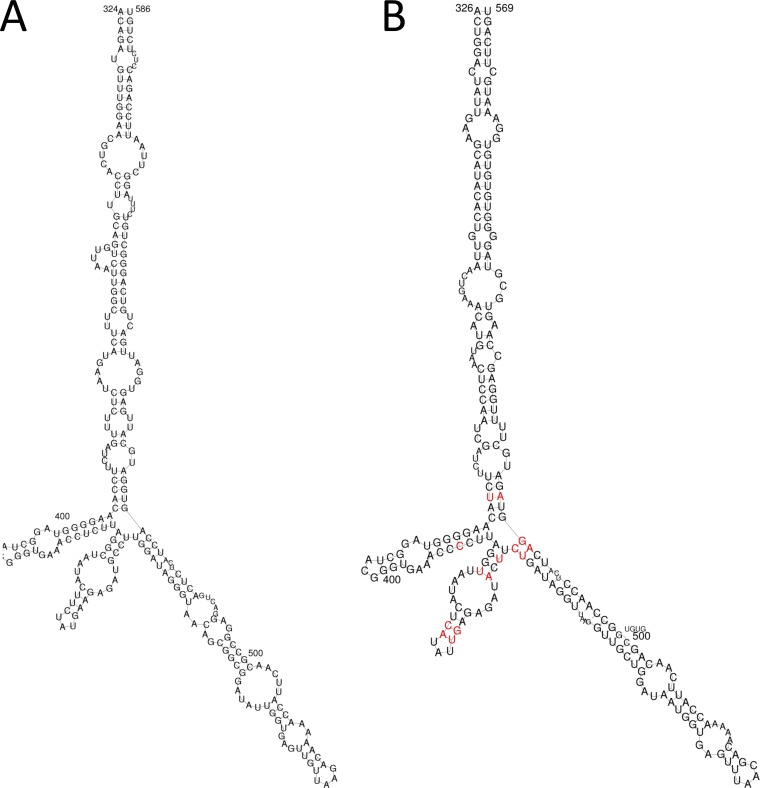
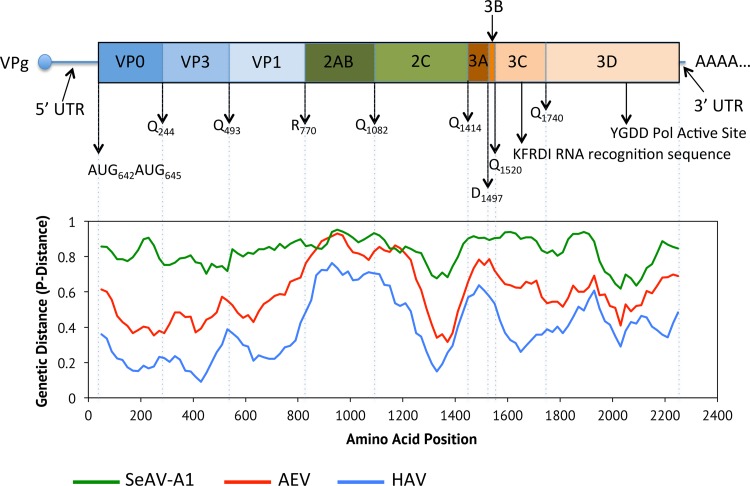
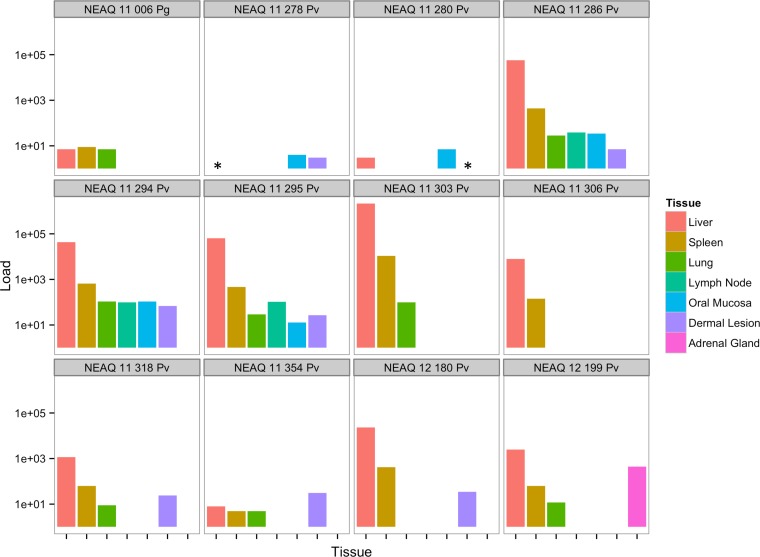
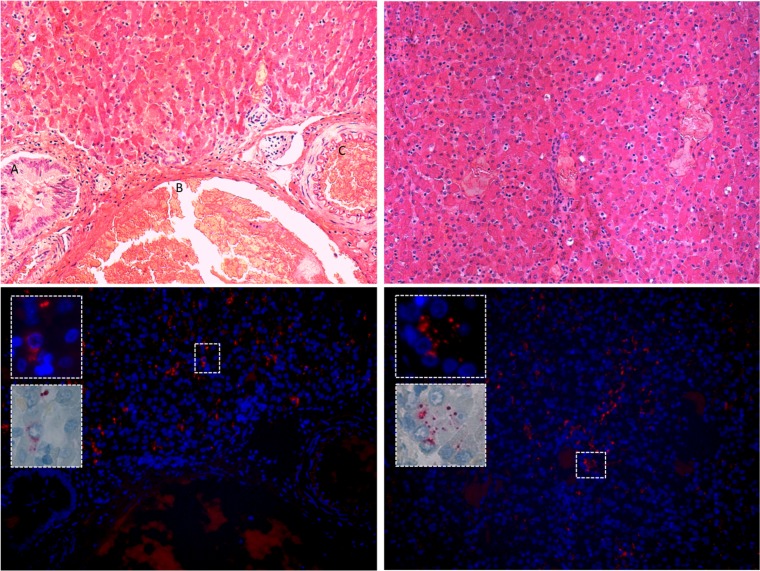
Describing the viral diversity of wildlife can provide interesting and useful insights into the natural history of established human pathogens. In this study, we describe a previously unknown picornavirus in harbor seals (tentatively named phopivirus) that is related to human hepatitis A virus (HAV). We show that phopivirus shares several genetic and phenotypic characteristics with HAV, including phylogenetic relatedness across the genome, a specific and seemingly quiescent tropism for hepatocytes, structural conservation in a key functional region of the type III internal ribosomal entry site (IRES), and a codon usage bias consistent with that of HAV.
Hepatitis A virus (HAV) is an important viral hepatitis in humans because of the substantial number of cases each year in regions with low socioeconomic status. The origin of HAV is unknown, and no nonprimate HAV-like viruses have been described. Here, we describe the discovery of an HAV-like virus in seals. This finding suggests that the diversity and evolutionary history of these viruses might be far greater than previously thought and may provide insight into the origin and pathogenicity of HAV.
描述野生动物的病毒多样性可为已确定的人类病原体的自然史提供有趣且有用的见解。在本研究中,我们描述了一种此前未知的港湾海豹小RNA病毒(暂命名为海豹小RNA病毒),它与人类甲型肝炎病毒(HAV)相关。我们发现海豹小RNA病毒与HAV具有若干遗传和表型特征,包括全基因组的系统发育相关性、对肝细胞的特异性且看似静止的嗜性、III型内部核糖体进入位点(IRES)关键功能区域的结构保守性,以及与HAV一致的密码子使用偏好。
由于社会经济地位较低地区每年有大量病例,甲型肝炎病毒(HAV)是人类重要的病毒性肝炎。HAV的起源尚不清楚,且尚未描述过非灵长类HAV样病毒。在此,我们描述了在海豹中发现的一种HAV样病毒。这一发现表明这些病毒的多样性和进化史可能比此前认为的要丰富得多,并可能为HAV的起源和致病性提供见解。