Fan Bin, Dun Sai-Hong, Gu Jian-Qiu, Guo Yang, Ikuyama Shoichiro
Department of Neurology, Shengjing Hospital, China Medical University, Shenyang, 110004, P. R. China.
Department of Endocrinology and Metabolism, First Affiliated Hospital, P. R. China Medical University, Shenyang, 110001, P. R. China.
PLoS One. 2015 Sep 14;10(9):e0137837. doi: 10.1371/journal.pone.0137837. eCollection 2015.
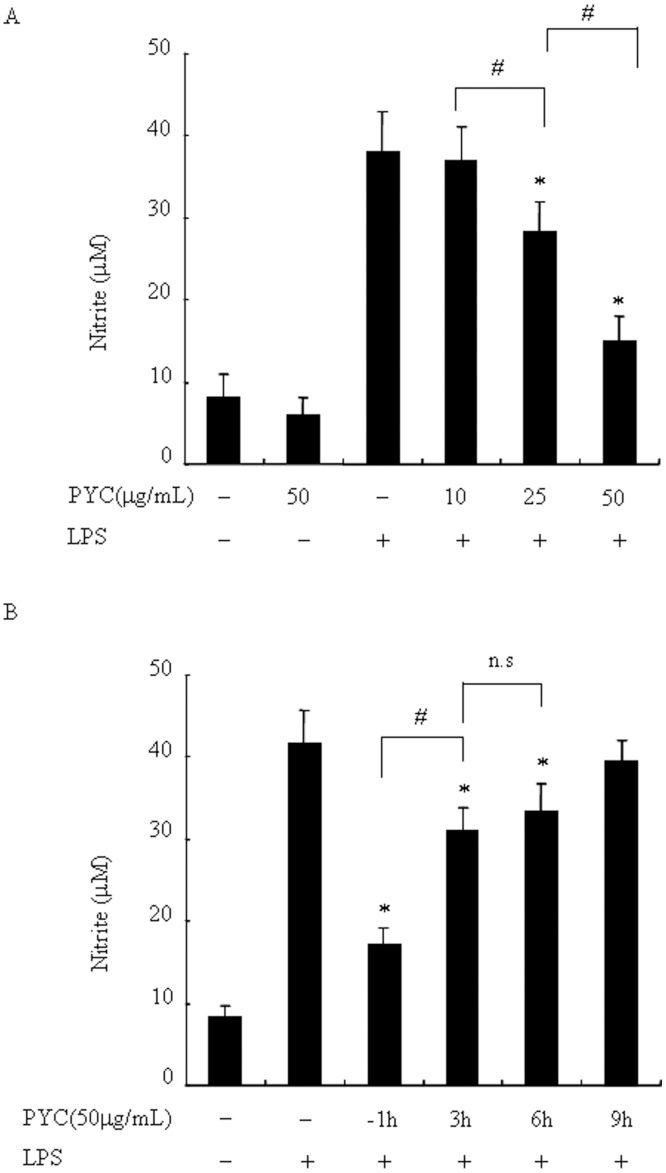
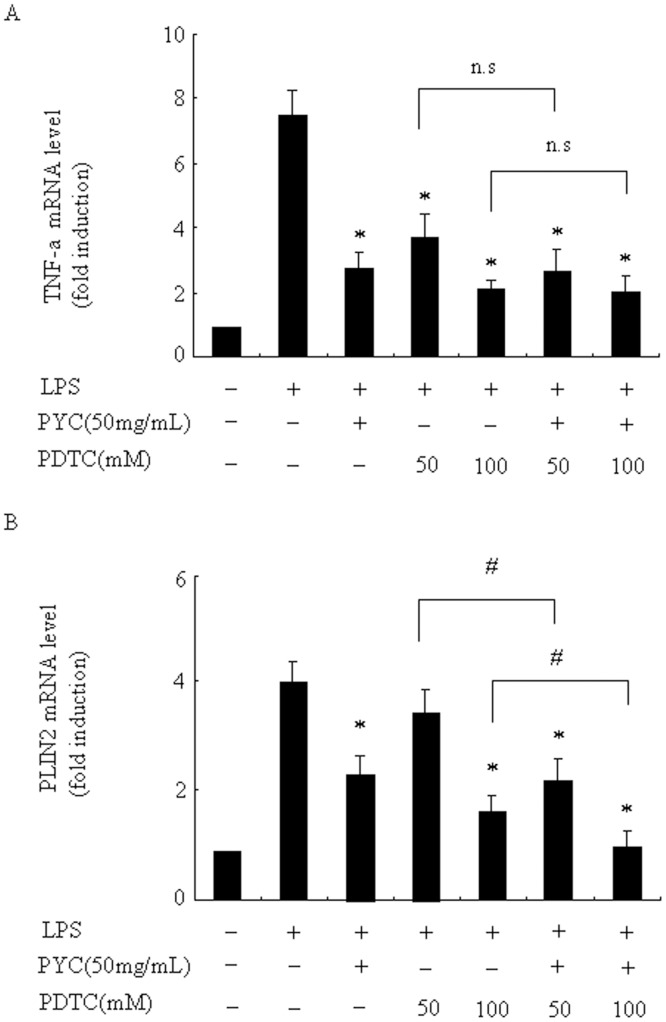
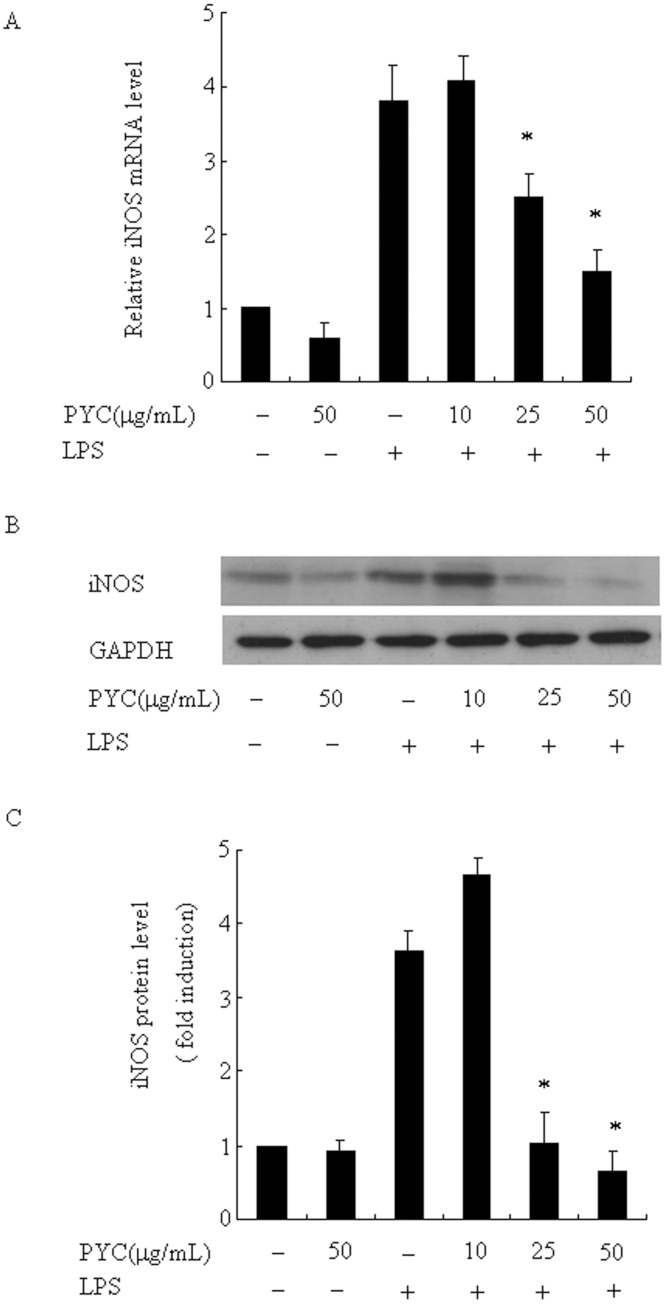
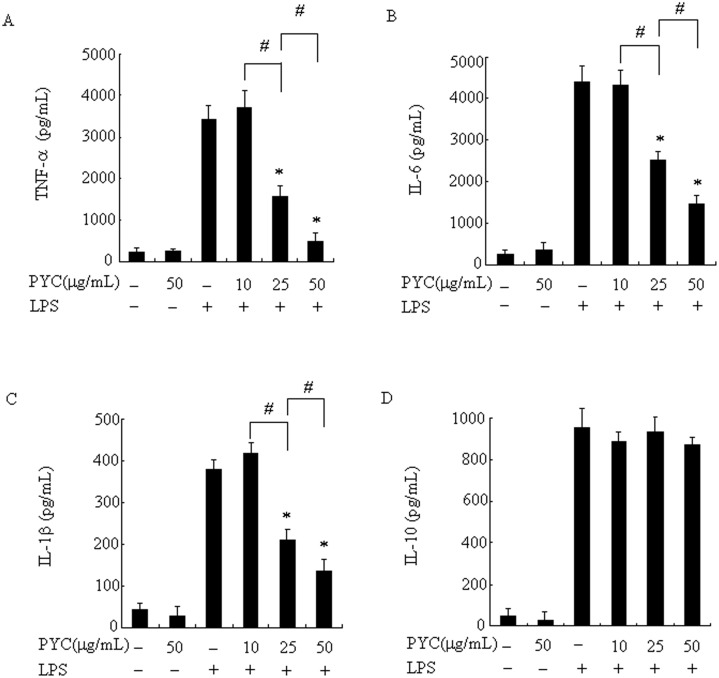
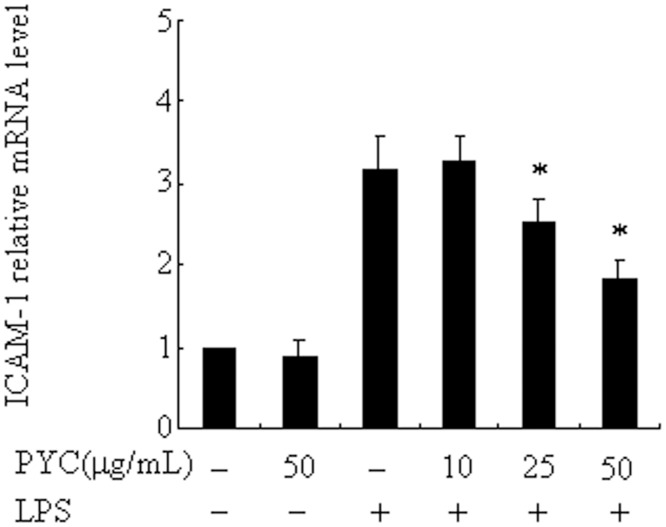
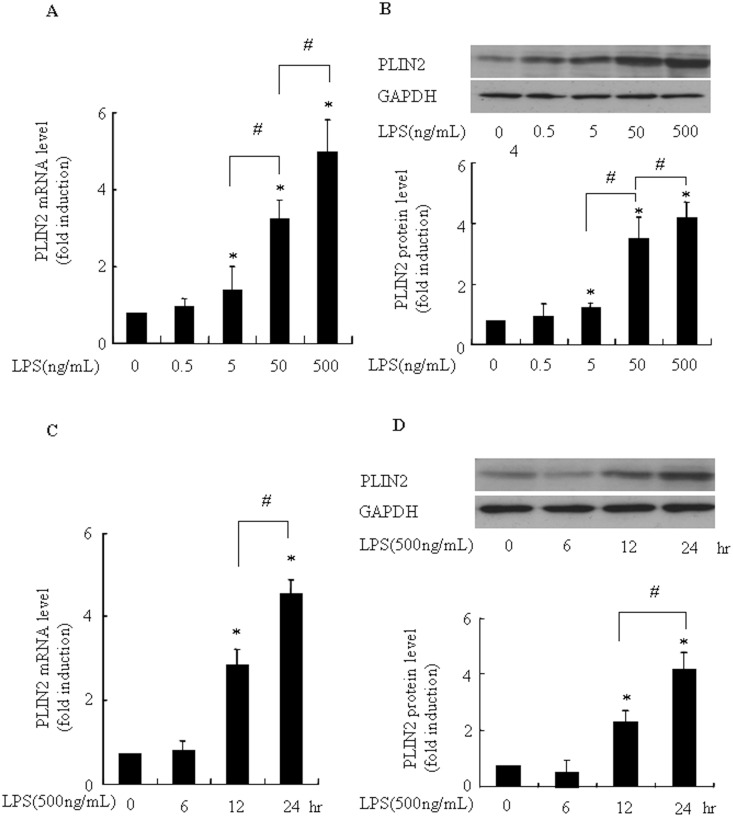
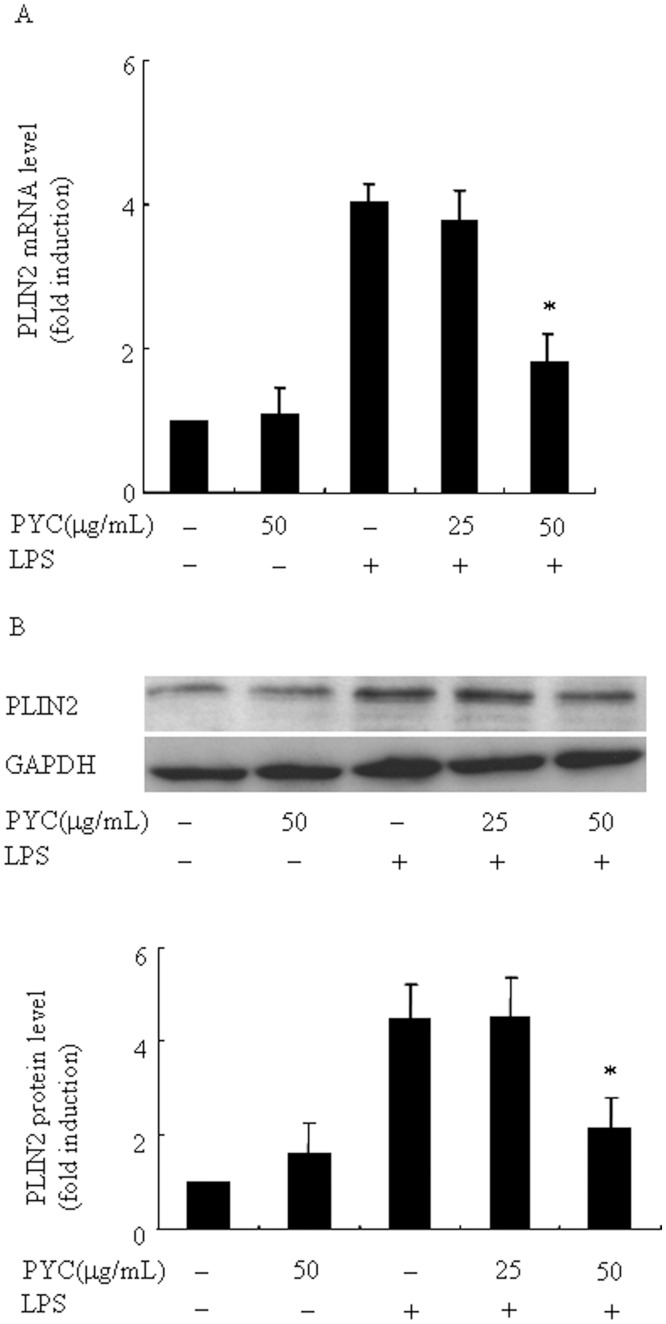
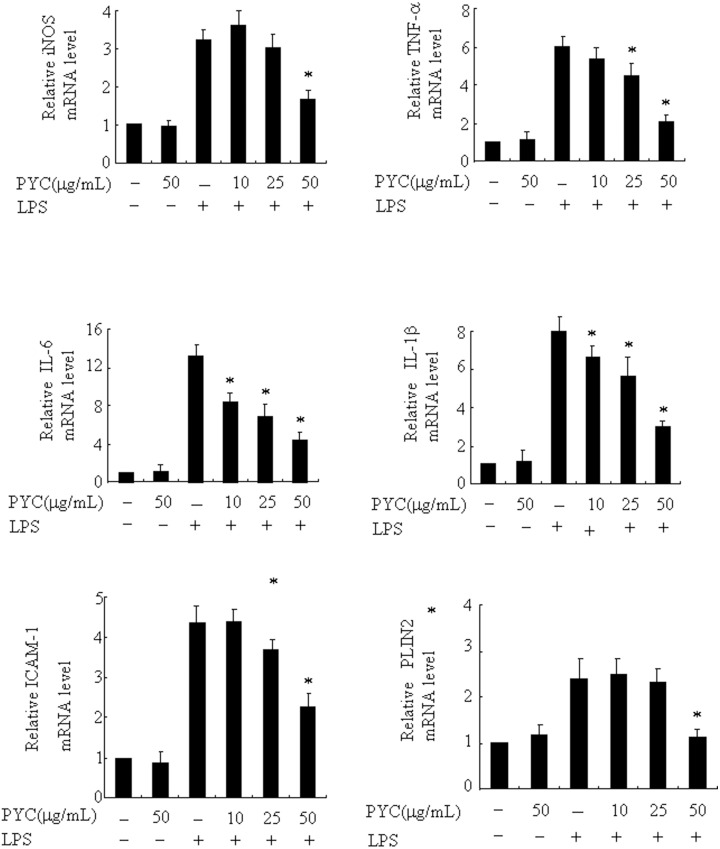
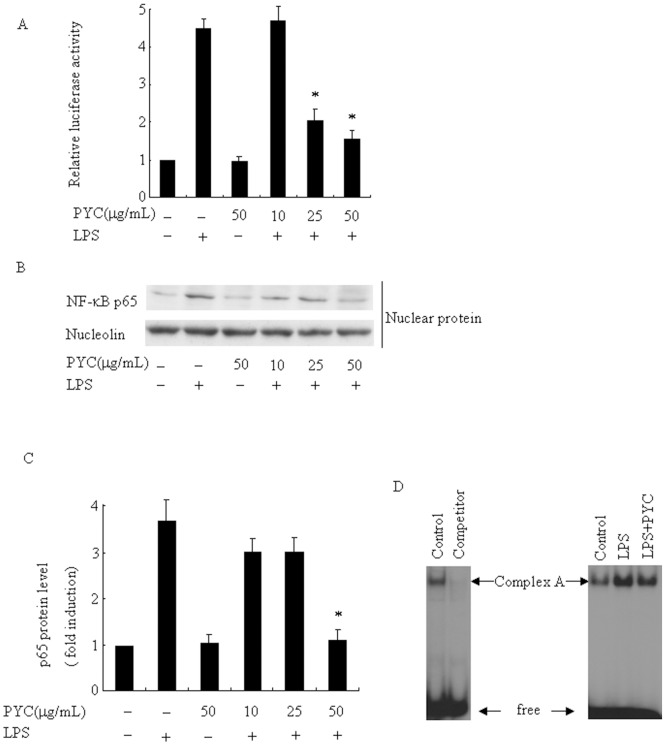
Over activation of microglia results in the production of proinflammatory agents that have been implicated in various brain diseases. Pycnogenol is a patented extract from French maritime pine bark (Pinus pinaster Aiton) with strong antioxidant and anti-inflammatory potency. The present study investigated whether pycnogenol may be associated with the production of proinflammatory mediators in lipopolysaccharide-stimulated BV2 (mouse-derived) microglia. It was found that pycnogenol treatment was dose-dependently associated with significantly less release of nitricoxide (NO), TNF-α, IL-6 and IL-1β, and lower levels of intercellular adhesion molecule1 (ICAM-1) and perilipin 2 (PLIN2). Furthermore, this effect was replicated in primary brain microglia. Levels of inducible NO synthase mRNA and protein were attenuated, whereas there was no change in the production of the anti-inflammatory cytokine IL-10. Further evidence indicated that pycnogenol treatment led to the suppression of NF-κB activation through inhibition of p65 translocation into the nucleus and inhibited DNA binding of AP-1, suggesting that these proinflammatory factors are associated with NF-κB and AP-1. We conclude that pycnogenol exerts anti-inflammatory effects through inhibition of the NF-κB and AP-1pathway, and may be useful as a therapeutic agent in the prevention of diseases caused by over activation of microglia.
小胶质细胞的过度激活会导致促炎因子的产生,这些因子与多种脑部疾病有关。碧萝芷是一种从法国滨海松树皮(海岸松)中提取的专利提取物,具有强大的抗氧化和抗炎能力。本研究调查了碧萝芷是否可能与脂多糖刺激的BV2(小鼠来源)小胶质细胞中促炎介质的产生有关。研究发现,碧萝芷处理呈剂量依赖性地显著减少一氧化氮(NO)、肿瘤坏死因子-α(TNF-α)、白细胞介素-6(IL-6)和白细胞介素-1β(IL-1β)的释放,并降低细胞间黏附分子1(ICAM-1)和脂滴包被蛋白2(PLIN2)的水平。此外,在原代脑小胶质细胞中也观察到了这种效应。诱导型一氧化氮合酶的mRNA和蛋白水平降低,而抗炎细胞因子白细胞介素-10的产生没有变化。进一步的证据表明,碧萝芷处理通过抑制p65向细胞核的转位导致核因子-κB(NF-κB)激活的抑制,并抑制活化蛋白-1(AP-1)的DNA结合,这表明这些促炎因子与NF-κB和AP-1有关。我们得出结论,碧萝芷通过抑制NF-κB和AP-1信号通路发挥抗炎作用,可能作为一种治疗剂用于预防由小胶质细胞过度激活引起的疾病。