Nadtochiy Sergiy M, Urciuoli William, Zhang Jimmy, Schafer Xenia, Munger Joshua, Brookes Paul S
Department of Anesthesiology, University of Rochester Medical Center, Rochester, NY, USA.
Department of Pharmacology & Physiology, University of Rochester Medical Center, Rochester, NY, USA.
J Mol Cell Cardiol. 2015 Nov;88:64-72. doi: 10.1016/j.yjmcc.2015.09.008. Epub 2015 Sep 24.
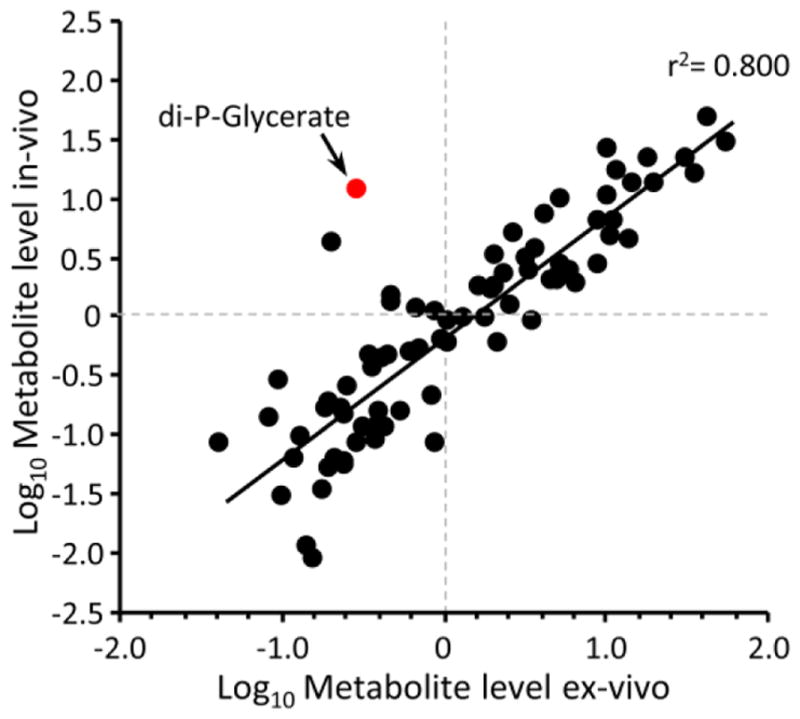
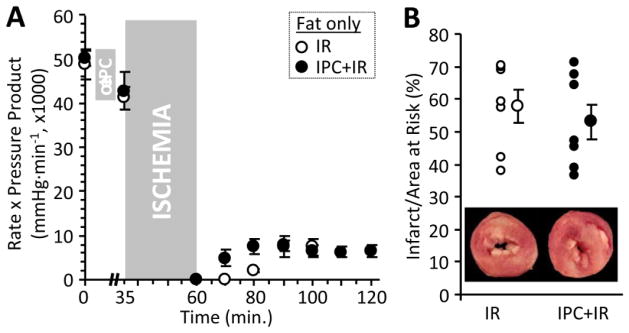
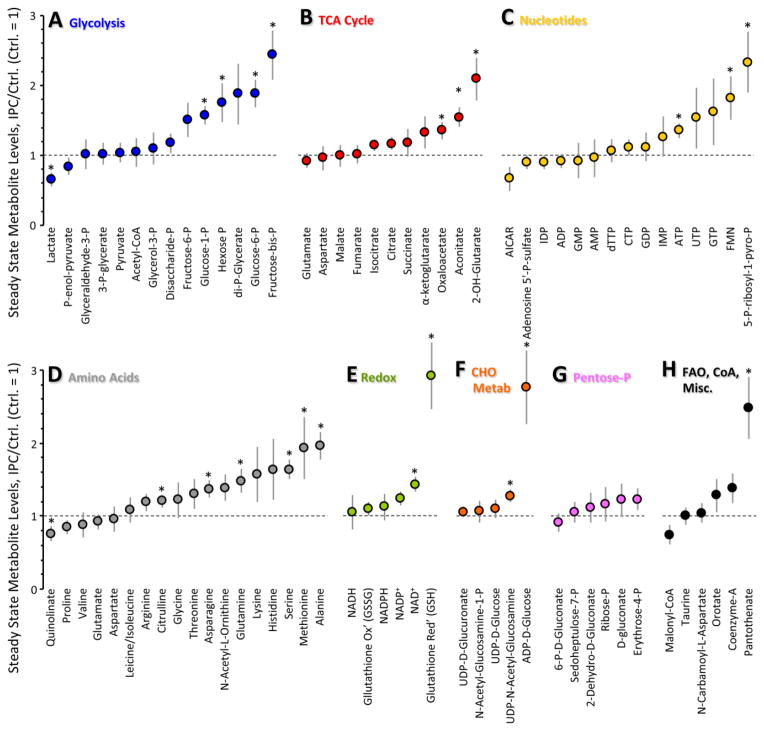
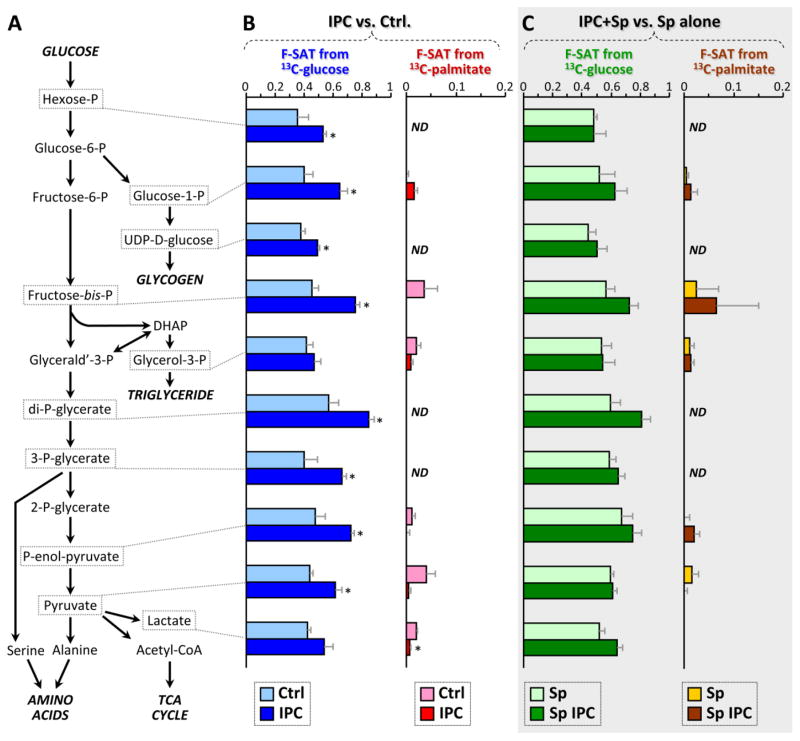
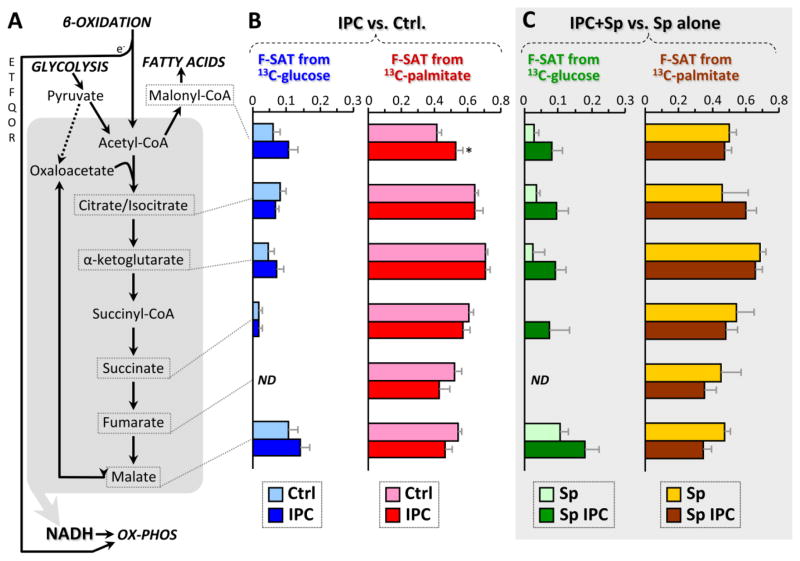
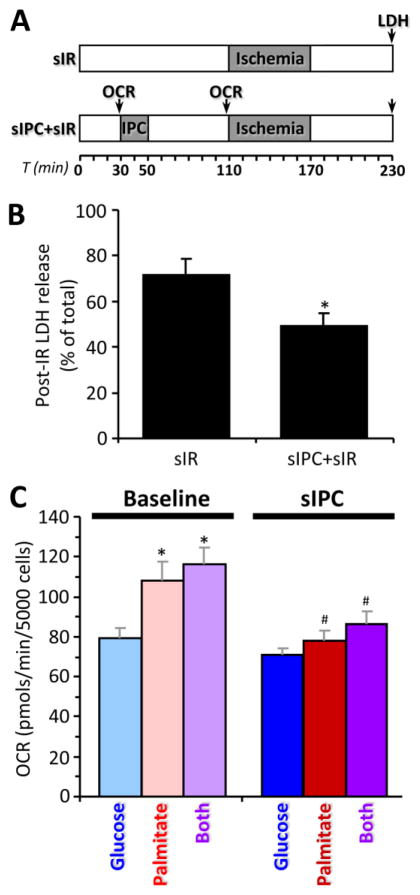
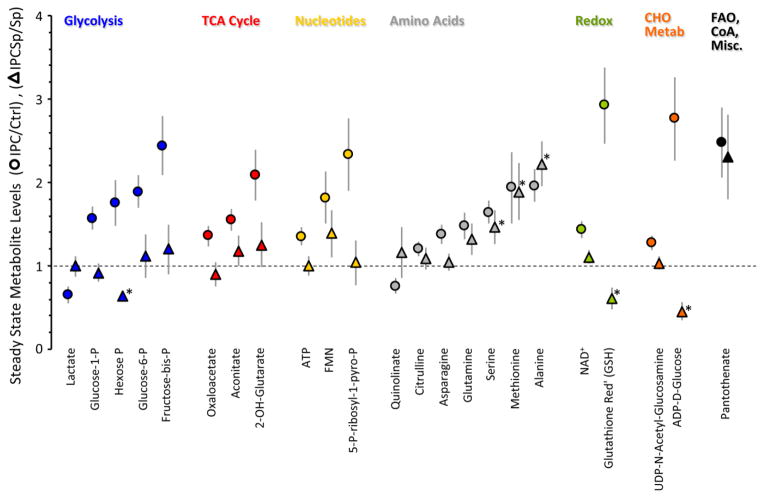
Ischemic preconditioning (IPC) protects tissues such as the heart from prolonged ischemia-reperfusion (IR) injury. We previously showed that the lysine deacetylase SIRT1 is required for acute IPC, and has numerous metabolic targets. While it is known that metabolism is altered during IPC, the underlying metabolic regulatory mechanisms are unknown, including the relative importance of SIRT1. Thus, we sought to test the hypothesis that some of the metabolic adaptations that occur in IPC may require SIRT1 as a regulatory mediator. Using both ex-vivo-perfused and in-vivo mouse hearts, LC-MS/MS based metabolomics and (13)C-labeled substrate tracing, we found that acute IPC altered several metabolic pathways including: (i) stimulation of glycolysis, (ii) increased synthesis of glycogen and several amino acids, (iii) increased reduced glutathione levels, (iv) elevation in the oncometabolite 2-hydroxyglutarate, and (v) inhibition of fatty-acid dependent respiration. The majority (83%) of metabolic alterations induced by IPC were ablated when SIRT1 was acutely inhibited with splitomicin, and a principal component analysis revealed that metabolic changes in response to IPC were fundamentally different in nature when SIRT1 was inhibited. Furthermore, the protective benefit of IPC was abrogated by eliminating glucose from perfusion media while sustaining normal cardiac function by burning fat, thus indicating that glucose dependency is required for acute IPC. Together, these data suggest that SIRT1 signaling is required for rapid cardioprotective metabolic adaptation in acute IPC.
缺血预处理(IPC)可保护诸如心脏等组织免受长时间缺血再灌注(IR)损伤。我们之前表明,赖氨酸脱乙酰酶SIRT1是急性IPC所必需的,并且有众多代谢靶点。虽然已知在IPC过程中代谢会发生改变,但潜在的代谢调节机制尚不清楚,包括SIRT1的相对重要性。因此,我们试图验证这一假设,即IPC中发生的一些代谢适应可能需要SIRT1作为调节介质。使用离体灌注和体内小鼠心脏、基于液相色谱 - 串联质谱的代谢组学以及(13)C标记底物追踪技术,我们发现急性IPC改变了多个代谢途径,包括:(i)糖酵解的刺激,(ii)糖原和几种氨基酸合成增加,(iii)还原型谷胱甘肽水平升高,(iv)肿瘤代谢物2 - 羟基戊二酸升高,以及(v)脂肪酸依赖性呼吸抑制。当用裂霉素急性抑制SIRT1时,IPC诱导的大多数(83%)代谢改变被消除,主成分分析显示,当SIRT1被抑制时,对IPC的代谢变化在本质上有根本不同。此外,通过从灌注培养基中去除葡萄糖同时通过燃烧脂肪维持正常心脏功能来消除IPC的保护作用,从而表明急性IPC需要葡萄糖依赖性。总之,这些数据表明SIRT1信号传导是急性IPC中快速心脏保护代谢适应所必需的。