Cluntun Ahmad A, Huang He, Dai Lunzhi, Liu Xiaojing, Zhao Yingming, Locasale Jason W
Graduate Field of Biochemistry, Molecular Cell Biology, Cornell University, Ithaca, NY USA ; King Abdullah International Medical Research Center (KAIMRC), Riyadh, Saudi Arabia.
Ben May Department of Cancer Research, The University of Chicago, Chicago, IL USA.
Cancer Metab. 2015 Sep 23;3:10. doi: 10.1186/s40170-015-0135-3. eCollection 2015.
Glucose metabolism links metabolic status to protein acetylation. However, it remains poorly understood to what extent do features of glucose metabolism contribute to protein acetylation and whether the process can be dynamically and quantitatively regulated by differing rates of glycolysis.
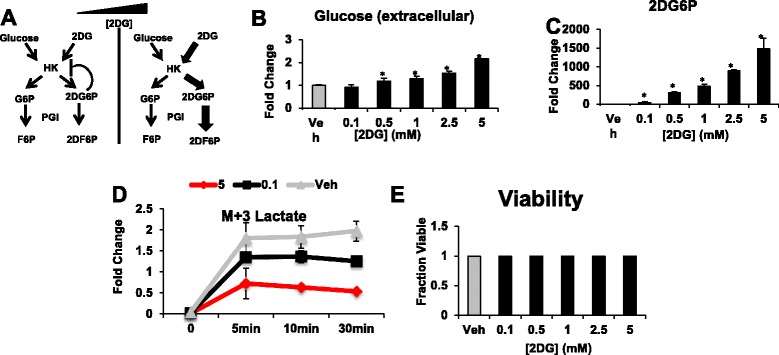
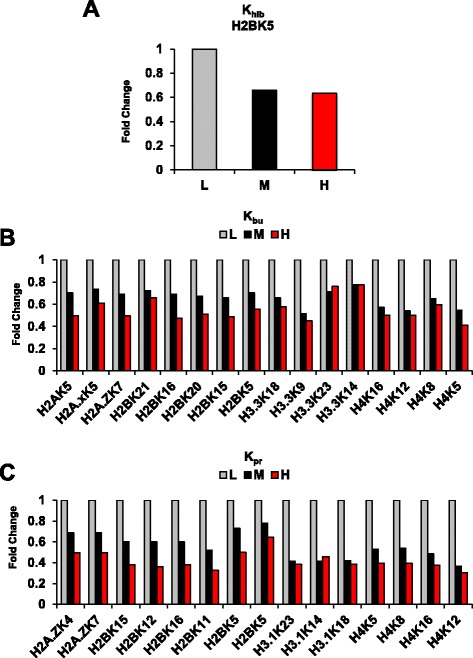
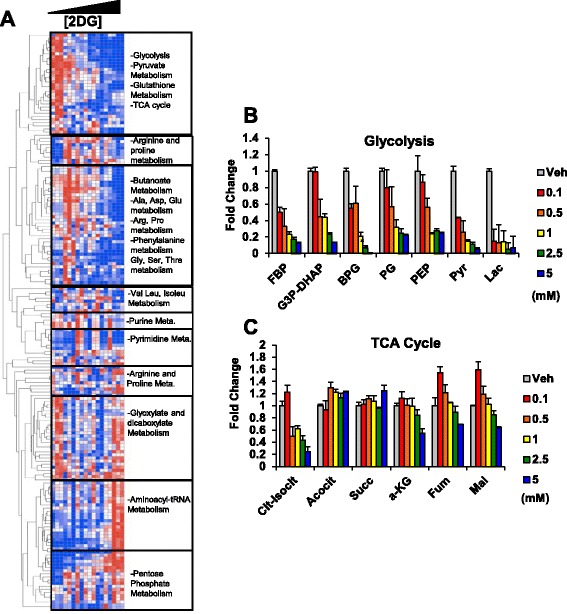
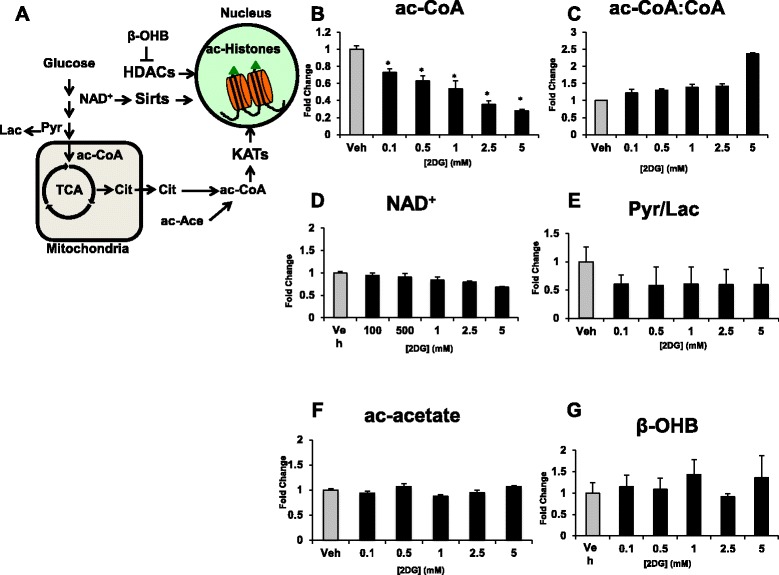
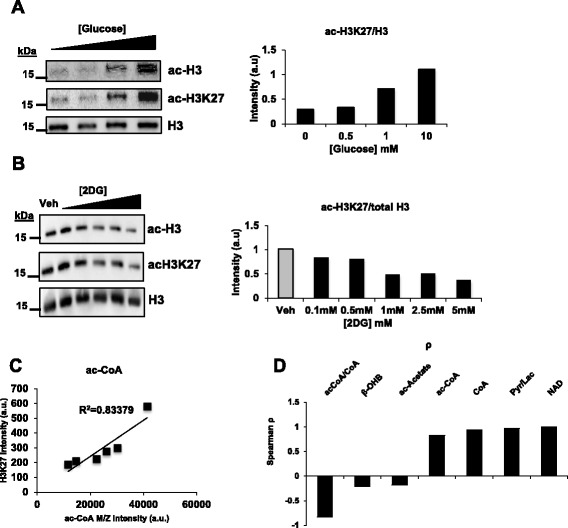
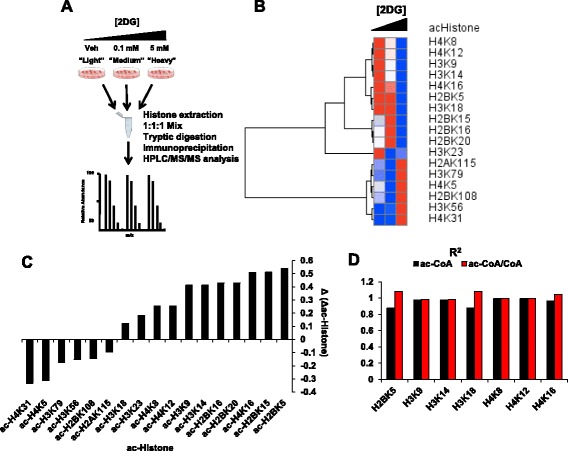
Here, we show that titratable rates of glycolysis with corresponding changes in the levels of glycolytic intermediates result in a graded remodeling of a bulk of the metabolome and resulted in gradual changes in total histone acetylation levels. Dynamic histone acetylation levels were found and most strongly correlated with acetyl coenzyme A (ac-CoA) levels and inversely associated with the ratio of ac-CoA to free CoA. A multiplexed stable isotopic labeling by amino acids in cell culture (SILAC)-based proteomics approach revealed that the levels of half of identified histone acetylation sites as well as other lysine acylation modifications are tuned by the rate of glycolysis demonstrating that glycolytic rate affects specific acylation sites.
We demonstrate that histone acylation is directly sensed by glucose flux in a titratable, dose-dependent manner that is modulated by glycolytic flux and that a possible function of the Warburg Effect, a metabolic state observed in cancers with enhanced glucose metabolism, is to confer specific signaling effects on cells.
葡萄糖代谢将代谢状态与蛋白质乙酰化联系起来。然而,葡萄糖代谢的特征在多大程度上促成蛋白质乙酰化,以及该过程是否能由不同的糖酵解速率进行动态和定量调节,目前仍知之甚少。
在这里,我们表明可滴定的糖酵解速率以及糖酵解中间产物水平的相应变化导致了大部分代谢组的分级重塑,并导致总组蛋白乙酰化水平的逐渐变化。发现了动态组蛋白乙酰化水平,且其与乙酰辅酶A(ac-CoA)水平最强烈相关,并与ac-CoA与游离辅酶A的比率呈负相关。一种基于细胞培养中氨基酸多重稳定同位素标记(SILAC)的蛋白质组学方法表明,一半已鉴定的组蛋白乙酰化位点以及其他赖氨酸酰化修饰的水平受糖酵解速率调节,这表明糖酵解速率影响特定的酰化位点。
我们证明组蛋白酰化以一种可滴定的、剂量依赖性的方式被葡萄糖通量直接感知,这种方式受糖酵解通量调节,并且瓦氏效应(在葡萄糖代谢增强的癌症中观察到的一种代谢状态)的一个可能功能是赋予细胞特定的信号传导效应。