Udegbunam Sunday Ositadimma, Kene Raphael Okoli Chukwujekwu, Anika Silvanus Maduka, Udegbunam Rita Ijeoma, Nnaji Theophilus Okafor, Anyanwu Madubuike Umunna
Department of Veterinary Surgery, Faculty of Veterinary Medicine, University of Nigeria, Nsukka.
Department of Veterinary Physiology and Pharmacology, Faculty of Veterinary Medicine, University of Nigeria, Nsukka.
J Intercult Ethnopharmacol. 2015 Jul-Sep;4(3):194-201. doi: 10.5455/jice.20150405064050. Epub 2015 Apr 9.
Crinum jagus (J. Thomps.) Dandy commonly called Harmattan or St. Christopher's lily belonging to the family Liliaceae is widely used traditionally in Southeastern Nigeria for treatment of skin sores. This study investigated the wound healing potentials of methanolic C. jagus bulb extract (MCJBE) using incision, excision, and dead space wound healing models.
Phytochemical screening showed the presence of alkaloids, glycosides, tannins, saponins in the extract, but absence of flavonoids. In the incision and dead space wound models, rats were dosed orally with 300 mg/kg body weight (bw) of 10 and 5% of MCJBE solution, respectively, while in the excision wound model, rats were treated topically with 10 and 5% MCJBE ointments (MCJBEO), respectively.
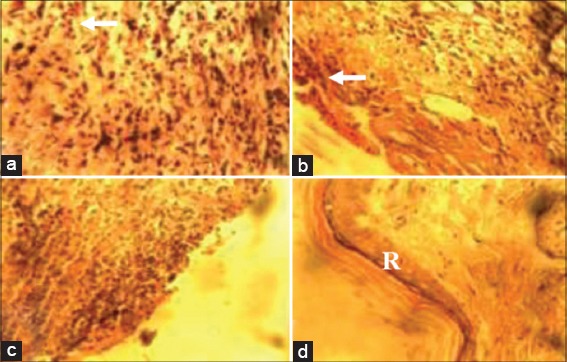
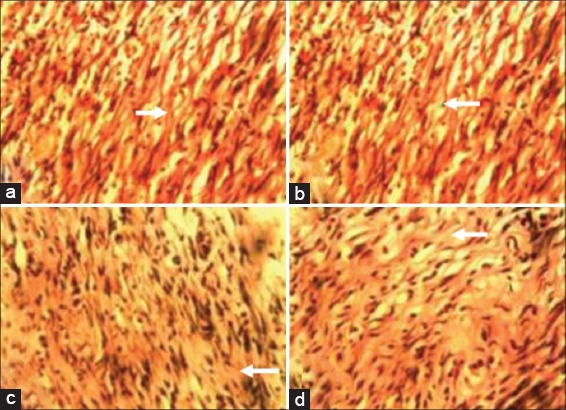
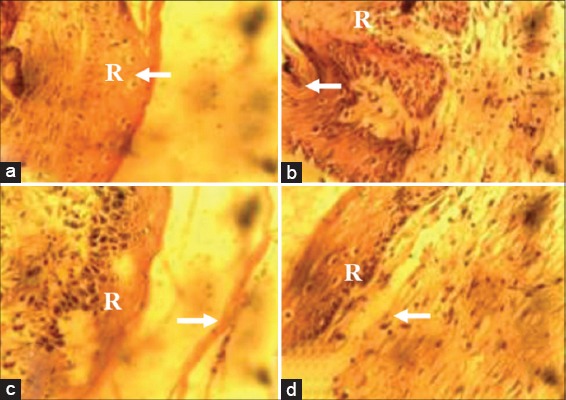
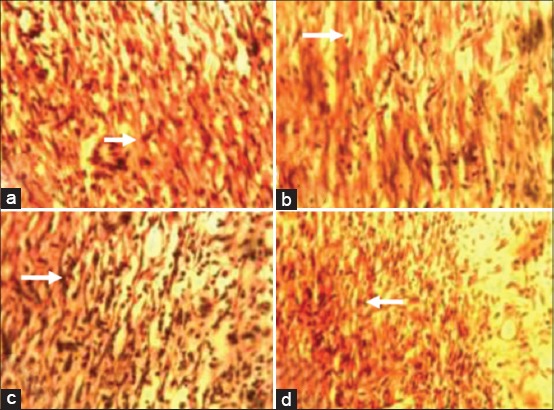
The 10% MCJBE gave significantly (P < 0.05) highest percentage rate of wound contraction, shortest re-epithelialization and complete healing time when compared with 5% MCJBE and reference drug, framycetin sulfate. The extract of C. jagus showed significant (P < 0.05) concentration-dependent wound healing activity in incision, dead space and excision wound models. No contaminating microbial organism was isolated from wound sites of the rats dosed and treated with MCJBE throughout the study period. At day 7, post infliction of excision wound, histomorphological, and histochemical studies revealed more fibroblasts and Type 1 collagen deposits in wound site sections of rats treated with both 10 and 5% MCJBEO while those of the control showed more inflammatory cells and fewer Type 1 collagen deposits. At day 14 post infliction of excision wound, more epithelial regeneration with overlying keratin were seen in the histological sections of wounds of rats treated with both 10 and 5% MCJBEO, while histochemical study showed more Type 1 collagen deposits in wound site sections of rats in 10% MCJBEO treated group.
This study established that methanolic C. jagus bulb extract potentiates wound healing. The study thus validated the folkloric use of C. jagus bulb in the management of skin sores and boils.
文殊兰(Crinum jagus (J. Thomps.) Dandy),通常被称为哈马丹花或圣克里斯托弗百合,属于百合科,在尼日利亚东南部传统上被广泛用于治疗皮肤溃疡。本研究使用切口、切除和死腔伤口愈合模型,研究了文殊兰鳞茎甲醇提取物(MCJBE)的伤口愈合潜力。
植物化学筛选显示提取物中存在生物碱、糖苷、单宁、皂苷,但不存在黄酮类化合物。在切口和死腔伤口模型中,大鼠分别口服给予体重(bw)300 mg/kg的10%和5% MCJBE溶液,而在切除伤口模型中,大鼠分别局部给予10%和5% MCJBE软膏(MCJBEO)。
与5% MCJBE和参考药物硫酸新霉素相比,10% MCJBE的伤口收缩率最高(P < 0.05),再上皮化时间最短,完全愈合时间最短。文殊兰提取物在切口、死腔和切除伤口模型中显示出显著(P < 0.05)的浓度依赖性伤口愈合活性。在整个研究期间,从给予和用MCJBE治疗的大鼠伤口部位未分离出污染微生物。在切除伤口后第7天,组织形态学和组织化学研究显示,用10%和5% MCJBEO治疗的大鼠伤口部位切片中有更多的成纤维细胞和I型胶原沉积,而对照组的切片中有更多的炎症细胞和更少的I型胶原沉积。在切除伤口后第14天,用10%和5% MCJBEO治疗的大鼠伤口组织学切片中可见更多的上皮再生和覆盖的角蛋白,而组织化学研究显示10% MCJBEO治疗组大鼠伤口部位切片中有更多的I型胶原沉积。
本研究证实文殊兰鳞茎甲醇提取物可促进伤口愈合。因此,该研究验证了文殊兰鳞茎在治疗皮肤溃疡和疖子方面的民间用途。