Scheller Erich V, Cotter Peggy A
Department of Microbiology and Immunology, University of North Carolina-Chapel Hill School of Medicine, Chapel Hill, NC 27599-7290, USA.
Department of Microbiology and Immunology, University of North Carolina-Chapel Hill School of Medicine, Chapel Hill, NC 27599-7290, USA
Pathog Dis. 2015 Nov;73(8):ftv079. doi: 10.1093/femspd/ftv079. Epub 2015 Sep 27.
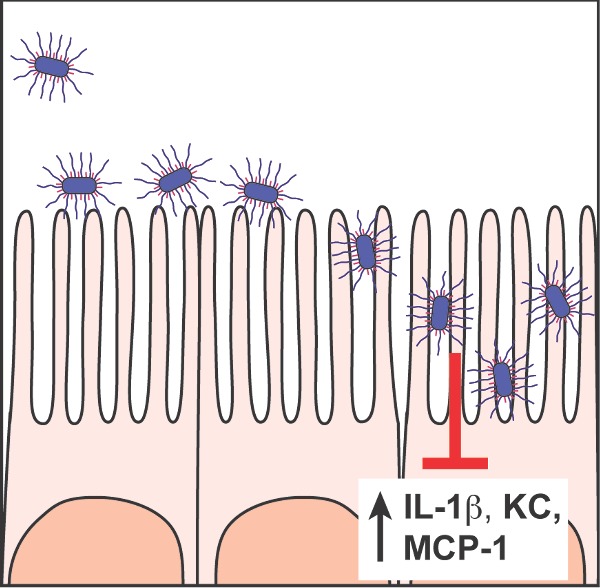
Pertussis, or whooping cough, is a highly contagious respiratory disease that is caused by the Gram-negative bacterium Bordetella pertussis, which is transmitted exclusively from human to human. While vaccination against B. pertussis has been successful, replacement of the whole cell vaccine with an acellular component vaccine has correlated with reemergence of the disease, especially in adolescents and infants. Based on their presumed importance in mediating adherence to host tissues, filamentous hemagglutinin (FHA) and fimbria (FIM) were selected as components of most acellular pertussis vaccines. In this review, we describe the biogenesis of FHA and FIM, recent data that show that these factors do, in fact, play critical roles in adherence to respiratory epithelium, and evidence that they also contribute to persistence in the lower respiratory tract by modulating the host immune response. We also discuss shortcomings of whole cell and acellular pertussis vaccines and the possibility that FHA and FIM could serve as effective protective antigens in next-generation vaccines.
百日咳,又称“哮吼性咳嗽”,是一种由革兰氏阴性菌百日咳博德特氏菌引起的高度传染性呼吸道疾病,该病菌仅在人与人之间传播。虽然针对百日咳博德特氏菌的疫苗接种已取得成功,但用无细胞组分疫苗替代全细胞疫苗与该疾病的再度出现有关,尤其是在青少年和婴儿中。基于丝状血凝素(FHA)和菌毛(FIM)在介导与宿主组织黏附方面的假定重要性,它们被选作大多数无细胞百日咳疫苗的成分。在本综述中,我们描述了FHA和FIM的生物合成、表明这些因子实际上在与呼吸道上皮黏附中起关键作用的最新数据,以及它们还通过调节宿主免疫反应而有助于在下呼吸道持续存在的证据。我们还讨论了全细胞和无细胞百日咳疫苗的缺点,以及FHA和FIM作为下一代疫苗中有效保护性抗原的可能性。