Rodriguez-Sickert Carlos, Cosmelli Diego, Claro Francisco, Fuentes Miguel Angel
Facultad de Gobierno, Centro de Investigación en Complejidad Social, UDD, Santiago, Chile.
Escuela de Psicología, Facultad de Ciencias Sociales, Pontificia Universidad Católica, Santiago, Chile; Centro Interdisciplinario de Neurociencias, Pontificia Universidad Católica, Santiago, Chile.
PLoS One. 2015 Sep 29;10(9):e0138172. doi: 10.1371/journal.pone.0138172. eCollection 2015.
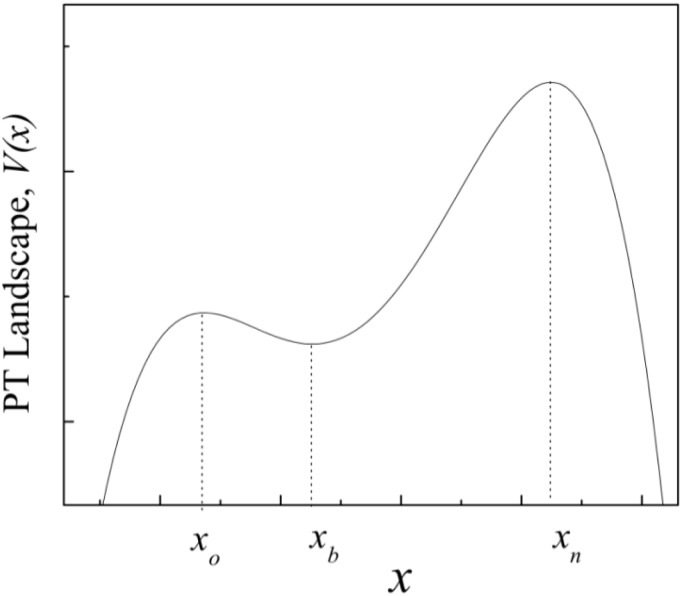
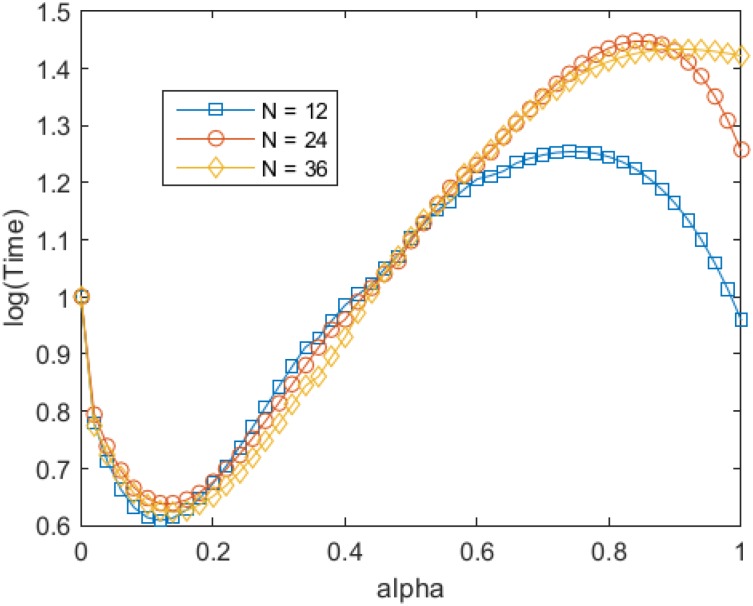
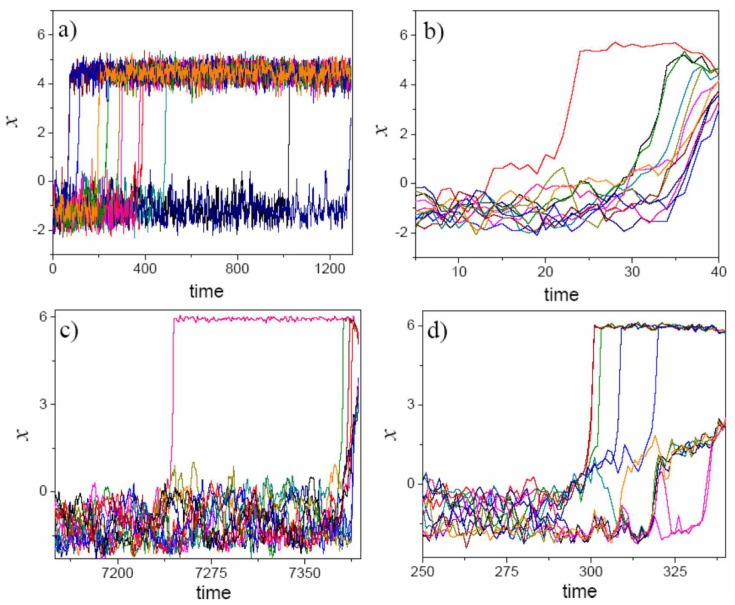
We develop here a multi-agent model of the creation of knowledge (scientific progress or technological evolution) within a community of researchers devoted to such endeavors. In the proposed model, agents learn in a physical-technological landscape, and weight is attached to both individual search and social influence. We find that the combination of these two forces together with random experimentation can account for both i) marginal change, that is, periods of normal science or refinements on the performance of a given technology (and in which the community stays in the neighborhood of the current paradigm); and ii) radical change, which takes the form of scientific paradigm shifts (or discontinuities in the structure of performance of a technology) that is observed as a swift migration of the knowledge community towards the new and superior paradigm. The efficiency of the search process is heavily dependent on the weight that agents posit on social influence. The occurrence of a paradigm shift becomes more likely when each member of the community attaches a small but positive weight to the experience of his/her peers. For this parameter region, nevertheless, a conservative force is exerted by the representatives of the current paradigm. However, social influence is not strong enough to seriously hamper individual discovery, and can act so as to empower successful individual pioneers who have conquered the new and superior paradigm.
我们在此构建了一个多智能体模型,用于研究致力于此类工作的研究人员群体中的知识创造(科学进步或技术演进)。在所提出的模型中,智能体在物理技术环境中学习,并且个体搜索和社会影响都被赋予了权重。我们发现,这两种力量与随机试验相结合,可以解释以下两种情况:其一,边际变化,即常规科学时期或给定技术性能的改进(在此期间,群体处于当前范式的邻域内);其二,激进变化,其表现为科学范式的转变(或技术性能结构的间断),这表现为知识群体迅速向新的、更优的范式迁移。搜索过程的效率在很大程度上取决于智能体赋予社会影响的权重。当群体中的每个成员都对其同行的经验赋予一个小但为正的权重时,范式转变发生的可能性就更大。然而,对于这个参数区域,当前范式的代表会施加一种保守力量。不过,社会影响还不足以严重阻碍个体发现,并且可以起到增强成功征服新的、更优范式的个体先驱者能力的作用。