Department of Computer Science, University of Vermont, Burlington, Vermont, United States of America.
PLoS One. 2012;7(11):e49901. doi: 10.1371/journal.pone.0049901. Epub 2012 Nov 14.
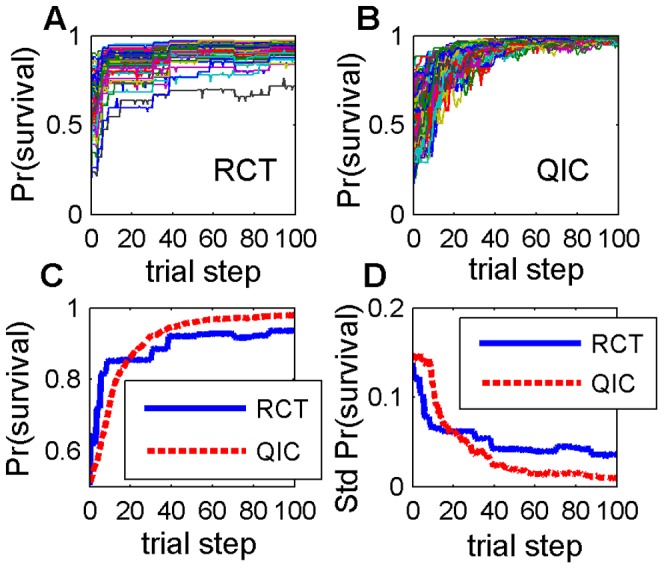
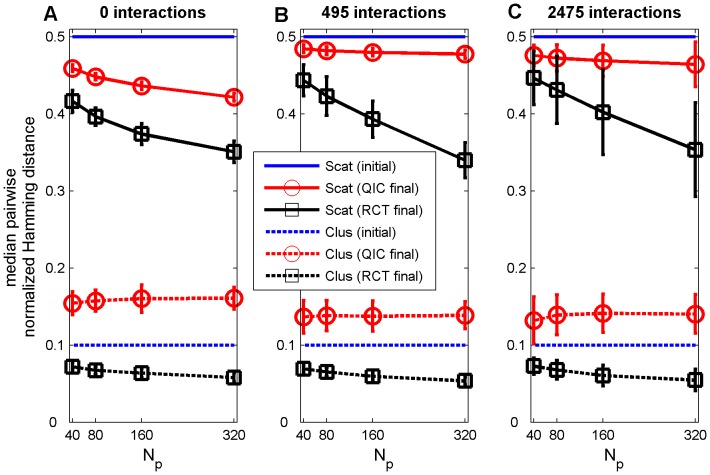
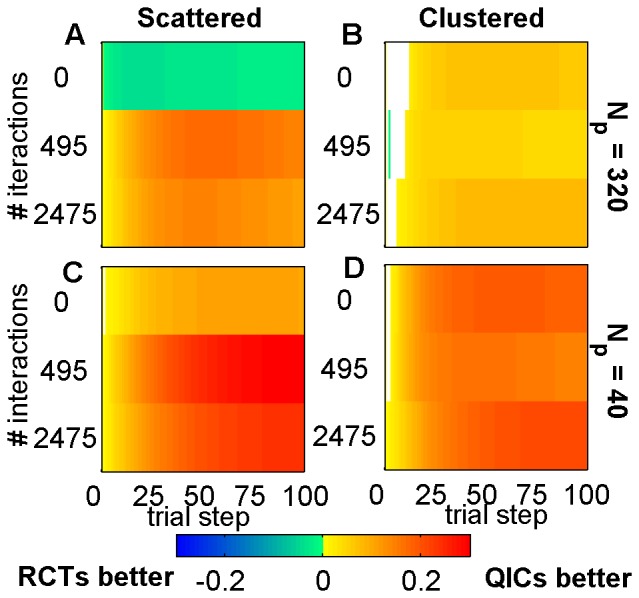
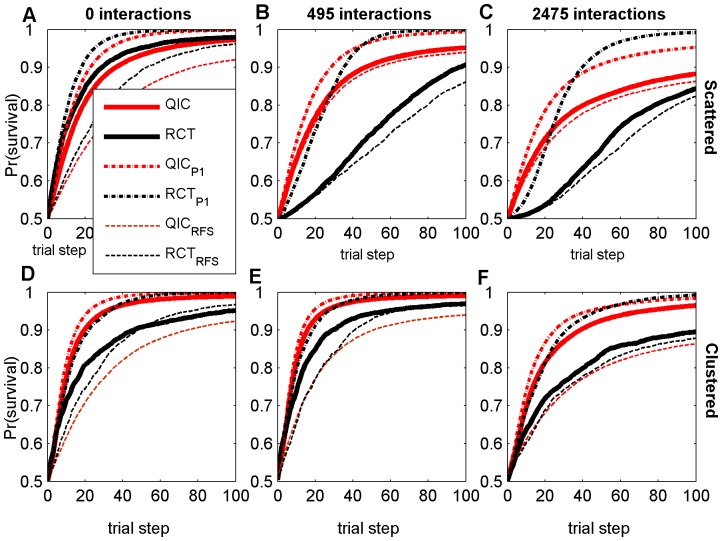
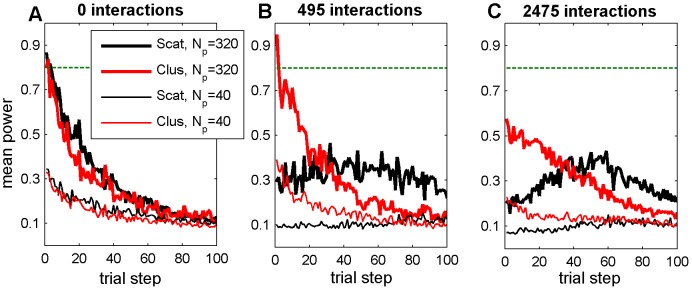
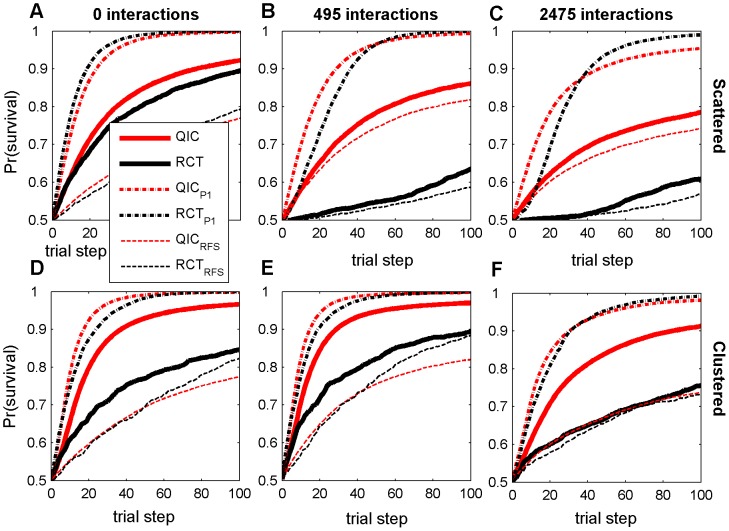
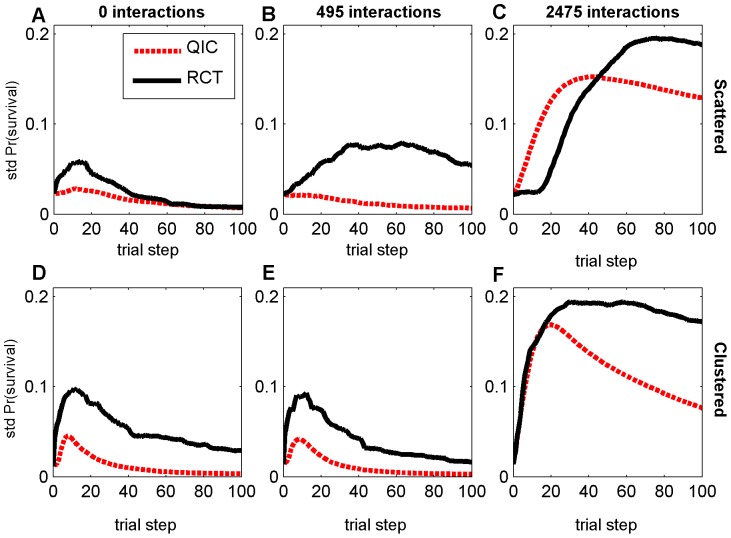
Widespread unexplained variations in clinical practices and patient outcomes suggest major opportunities for improving the quality and safety of medical care. However, there is little consensus regarding how to best identify and disseminate healthcare improvements and a dearth of theory to guide the debate. Many consider multicenter randomized controlled trials to be the gold standard of evidence-based medicine, although results are often inconclusive or may not be generally applicable due to differences in the contexts within which care is provided. Increasingly, others advocate the use "quality improvement collaboratives", in which multi-institutional teams share information to identify potentially better practices that are subsequently evaluated in the local contexts of specific institutions, but there is concern that such collaborative learning approaches lack the statistical rigor of randomized trials. Using an agent-based model, we show how and why a collaborative learning approach almost invariably leads to greater improvements in expected patient outcomes than more traditional approaches in searching simulated clinical fitness landscapes. This is due to a combination of greater statistical power and more context-dependent evaluation of treatments, especially in complex terrains where some combinations of practices may interact in affecting outcomes. The results of our simulations are consistent with observed limitations of randomized controlled trials and provide important insights into probable reasons for effectiveness of quality improvement collaboratives in the complex socio-technical environments of healthcare institutions. Our approach illustrates how modeling the evolution of medical practice as search on a clinical fitness landscape can aid in identifying and understanding strategies for improving the quality and safety of medical care.
广泛存在的临床实践和患者结局方面的无法解释的差异表明,有很大的机会可以提高医疗保健的质量和安全性。然而,关于如何最好地确定和传播医疗保健的改进措施,以及缺乏理论来指导这一辩论,人们的共识很少。许多人认为多中心随机对照试验是循证医学的金标准,尽管由于提供护理的环境存在差异,结果往往不确定,或者可能不具有普遍性。越来越多的人提倡使用“质量改进合作”,其中多机构团队共享信息,以确定可能更好的实践,然后在特定机构的具体背景下对这些实践进行评估,但有人担心这种协作学习方法缺乏随机试验的统计学严谨性。我们使用基于代理的模型,展示了协作学习方法如何以及为什么几乎总是会导致预期患者结局的改善,优于在搜索模拟临床适应度景观时使用更传统的方法。这是由于统计能力的提高和对治疗方法的更依赖于背景的评估相结合,尤其是在复杂的地形中,一些实践组合可能会相互作用,从而影响结果。我们的模拟结果与随机对照试验的观察到的局限性一致,并为理解质量改进合作在医疗机构复杂的社会技术环境中的有效性提供了重要的见解。我们的方法说明了如何将医疗实践的演变建模为对临床适应度景观的搜索,从而有助于确定和理解提高医疗保健质量和安全性的策略。