Vance Marina E, Kuiken Todd, Vejerano Eric P, McGinnis Sean P, Hochella Michael F, Rejeski David, Hull Matthew S
Institute for Critical Technology and Applied Science, Virginia Tech, 410 Kelly Hall (0194), 235 Stanger St., Blacksburg, VA 24061, United States.
Woodrow Wilson International Center for Scholars, One Woodrow Wilson Plaza - 1300 Pennsylvania Ave., NW, Washington, DC 20004, United States.
Beilstein J Nanotechnol. 2015 Aug 21;6:1769-80. doi: 10.3762/bjnano.6.181. eCollection 2015.
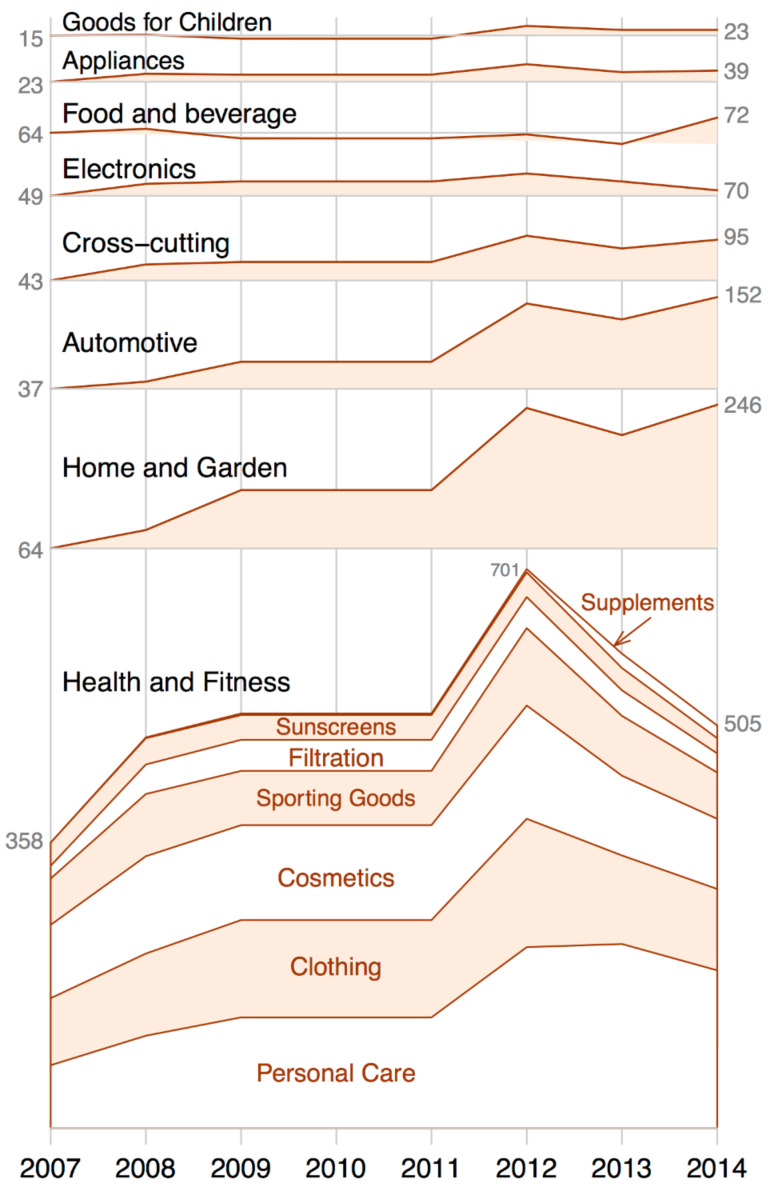
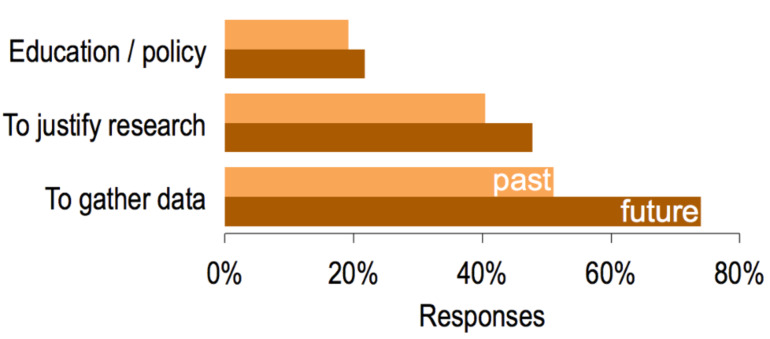
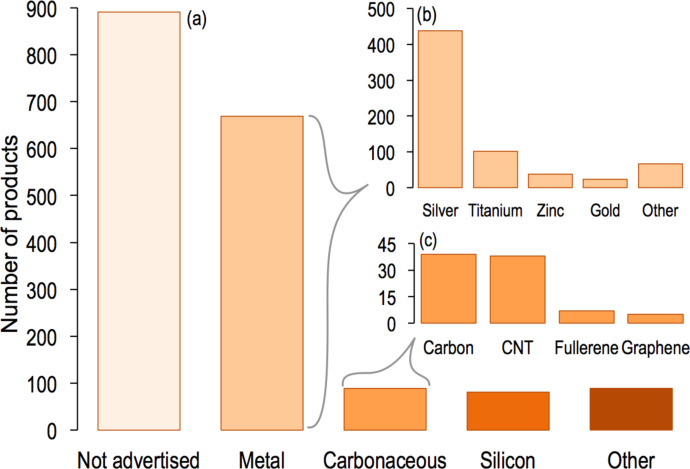
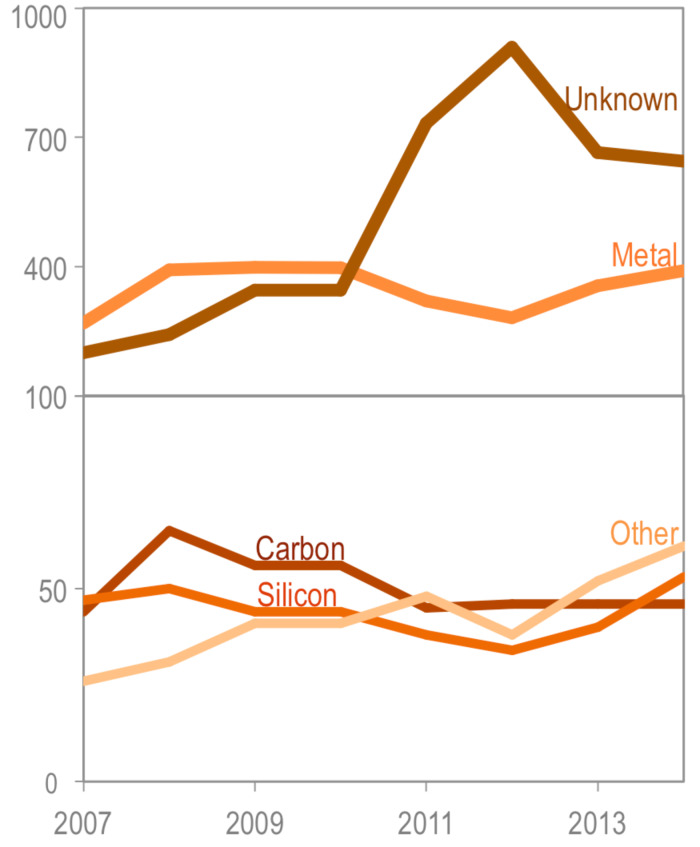
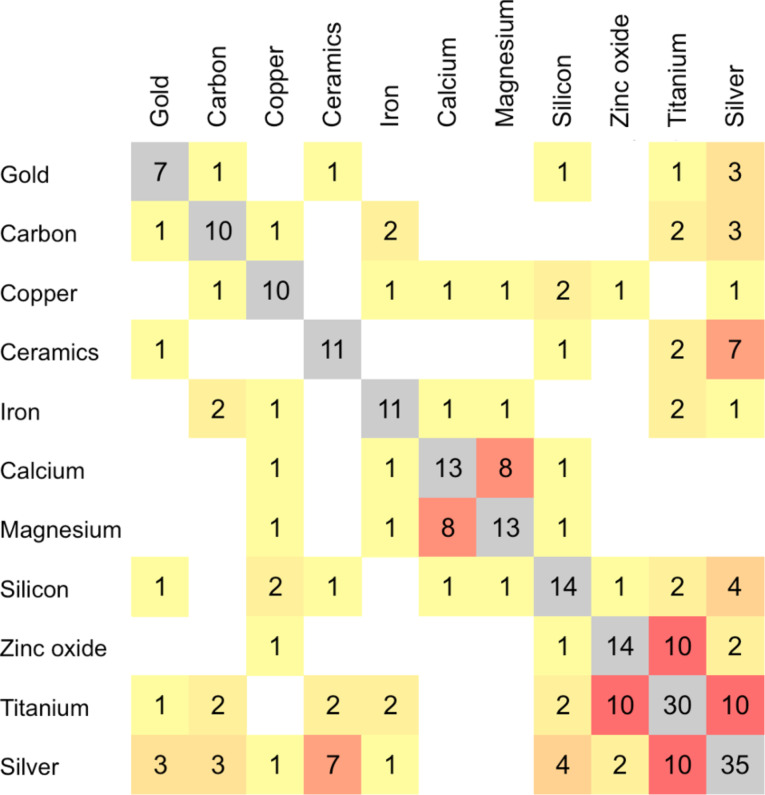
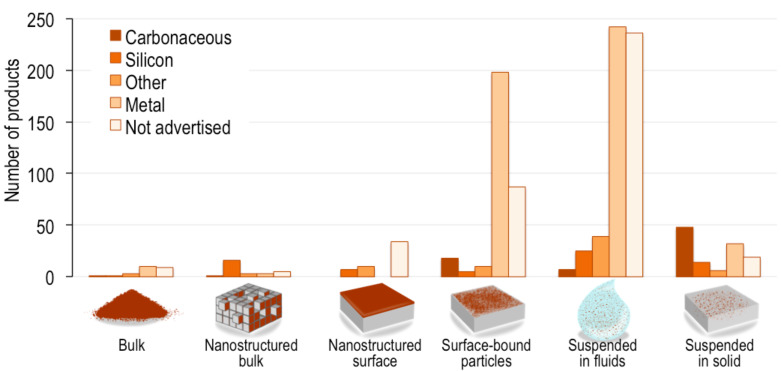
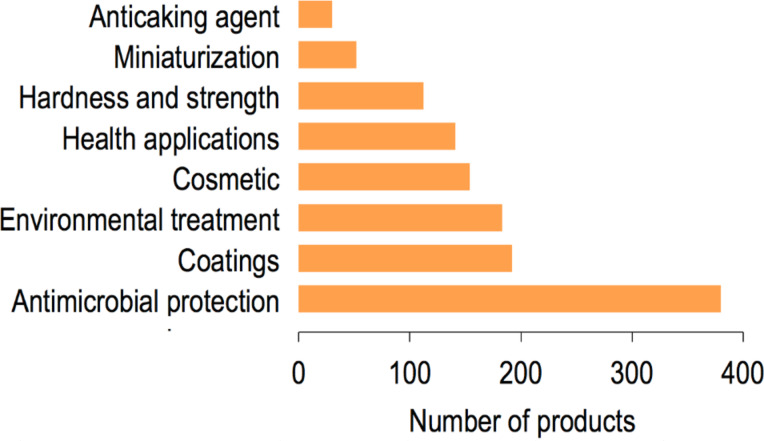
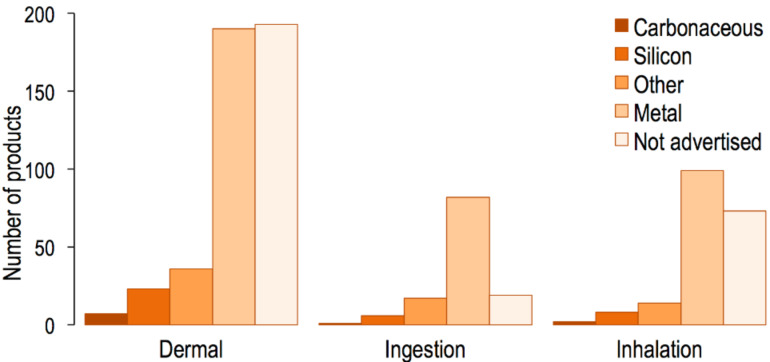
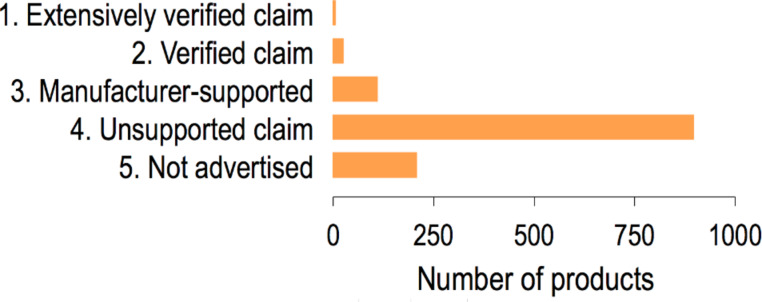
To document the marketing and distribution of nano-enabled products into the commercial marketplace, the Woodrow Wilson International Center for Scholars and the Project on Emerging Nanotechnologies created the Nanotechnology Consumer Products Inventory (CPI) in 2005. The objective of this present work is to redevelop the CPI by leading a research effort to increase the usefulness and reliability of this inventory. We created eight new descriptors for consumer products, including information pertaining to the nanomaterials contained in each product. The project was motivated by the recognition that a diverse group of stakeholders from academia, industry, and state/federal government had become highly dependent on the inventory as an important resource and bellweather of the pervasiveness of nanotechnology in society. We interviewed 68 nanotechnology experts to assess key information needs. Their answers guided inventory modifications by providing a clear conceptual framework best suited for user expectations. The revised inventory was released in October 2013. It currently lists 1814 consumer products from 622 companies in 32 countries. The Health and Fitness category contains the most products (762, or 42% of the total). Silver is the most frequently used nanomaterial (435 products, or 24%); however, 49% of the products (889) included in the CPI do not provide the composition of the nanomaterial used in them. About 29% of the CPI (528 products) contain nanomaterials suspended in a variety of liquid media and dermal contact is the most likely exposure scenario from their use. The majority (1288 products, or 71%) of the products do not present enough supporting information to corroborate the claim that nanomaterials are used. The modified CPI has enabled crowdsourcing capabilities, which allow users to suggest edits to any entry and permits researchers to upload new findings ranging from human and environmental exposure data to complete life cycle assessments. There are inherent limitations to this type of database, but these modifications to the inventory addressed the majority of criticisms raised in published literature and in surveys of nanotechnology stakeholders and experts. The development of standardized methods and metrics for nanomaterial characterization and labelling in consumer products can lead to greater understanding between the key stakeholders in nanotechnology, especially consumers, researchers, regulators, and industry.
为记录纳米产品在商业市场中的营销与分销情况,伍德罗·威尔逊国际学者中心和新兴纳米技术项目于2005年创建了纳米技术消费品清单(CPI)。当前这项工作的目标是通过主导一项研究工作来重新开发CPI,以提高该清单的实用性和可靠性。我们为消费品创建了八个新的描述符,包括与每种产品所含纳米材料相关的信息。开展该项目的原因是认识到来自学术界、工业界以及州/联邦政府的不同利益相关者群体已高度依赖该清单,将其作为纳米技术在社会中普及程度的重要资源和晴雨表。我们采访了68位纳米技术专家,以评估关键信息需求。他们的回答通过提供最适合用户期望的清晰概念框架,指导了清单的修改。修订后的清单于2013年10月发布。目前它列出了来自32个国家622家公司的1814种消费品。健康与健身类别包含的产品最多(762种,占总数的42%)。银是最常用的纳米材料(435种产品,占24%);然而,CPI中49%的产品(889种)未提供所使用纳米材料的成分。约29%的CPI(528种产品)含有悬浮在各种液体介质中的纳米材料,皮肤接触是使用这些产品时最可能的暴露场景。大多数产品(1288种产品,占71%)没有提供足够的支持信息来证实使用了纳米材料这一说法。修改后的CPI具备众包功能,允许用户对任何条目提出编辑建议,并允许研究人员上传从人类和环境暴露数据到完整生命周期评估等新发现。这类数据库存在固有局限性,但对清单的这些修改解决了已发表文献以及纳米技术利益相关者和专家调查中提出的大部分批评意见。开发消费品中纳米材料表征和标签的标准化方法和指标,可增进纳米技术关键利益相关者之间的理解,尤其是消费者、研究人员、监管机构和行业。