Ahmadi F, Oveisi Z, Samani S Mohammadi, Amoozgar Z
Department of Pharmaceutics, School of Pharmacy, Shiraz University of Medical Sciences, Shiraz, I.R. Iran.
Department of Pharmaceutics, School of Pharmacy, Shiraz University of Medical Sciences, Shiraz, I.R. Iran ; Department of Cancer Immunology and Aids, Dana-Farber Cancer Institute and Harvard Medical School, Boston, Massachusetts 02115, U.S.A.
Res Pharm Sci. 2015 Jan-Feb;10(1):1-16.
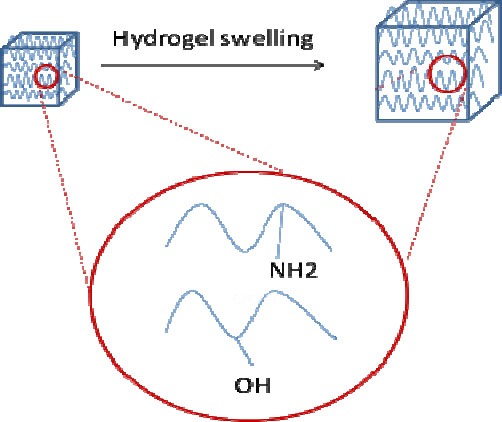
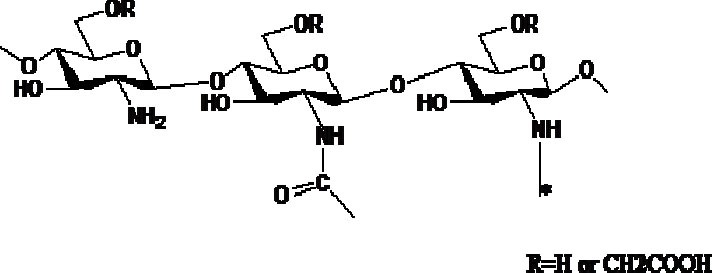
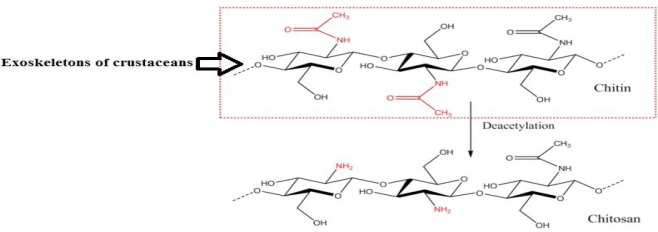
Hydrogel scaffolds serve as semi synthetic or synthetic extra cellular matrix to provide an amenable environment for cellular adherence and cellular remodeling in three dimensional structures mimicking that of natural cellular environment. Additionally, hydrogels have the capacity to carry small molecule drugs and/or proteins, growth factors and other necessary components for cell growth and differentiation. In the context of drug delivery, hydrogels can be utilized to localize drugs, increase drugs concentration at the site of action and consequently reduce off-targeted side effects. The current review aims to describe and classify hydrogels and their methods of production. The main highlight is chitosan-based hydrogels as biocompatible and medically relevant hydrogels for drug delivery.
水凝胶支架作为半合成或合成的细胞外基质,在模仿天然细胞环境的三维结构中提供适宜细胞黏附和细胞重塑的环境。此外,水凝胶有能力携带小分子药物和/或蛋白质、生长因子以及细胞生长和分化所需的其他必要成分。在药物递送方面,水凝胶可用于使药物局部化,提高作用部位的药物浓度,从而减少脱靶副作用。本综述旨在描述和分类水凝胶及其生产方法。主要亮点是基于壳聚糖的水凝胶作为用于药物递送的生物相容性和医学相关水凝胶。