Teimourpour Roghayeh, Sadeghian Ali, Meshkat Zahra, Esmaelizad Majid, Sankian Mojtaba, Jabbari Ahmad-Reza
Department of Microbiology and Virology, Antimicrobial Resistance Research Center, Bu Ali Research Center, School of Medicine, Mashhad University of Medical Sciences, Mashhad, IR Iran.
Genomics and Genetic Engineering Department, Razi Vaccine and Serum Research Institute, Karaj, IR Iran.
Jundishapur J Microbiol. 2015 Aug 29;8(8):e21556. doi: 10.5812/jjm.21556. eCollection 2015 Aug.
Tuberculosis (TB) is a contagious disease caused by Mycobacterium tuberculosis. Development of a new vaccine for tuberculosis requires immunogenic antigens capable of inducing suitable and long-lasting T cell immunity. The emergence of multidrugs and extensively drug-resistant strains of M. tuberculosis has made it a global public health concern.
DNA vaccine is a straightforward method to introduce antigens to the host. In the present study, two immunodominant mycobacterial antigens (Mtb32C and HBHA) were isolated and cloned into pcDNA3.1 (+) to design and construct a new DNA vaccine. This vector is capable of producing new potent chimeric protein.
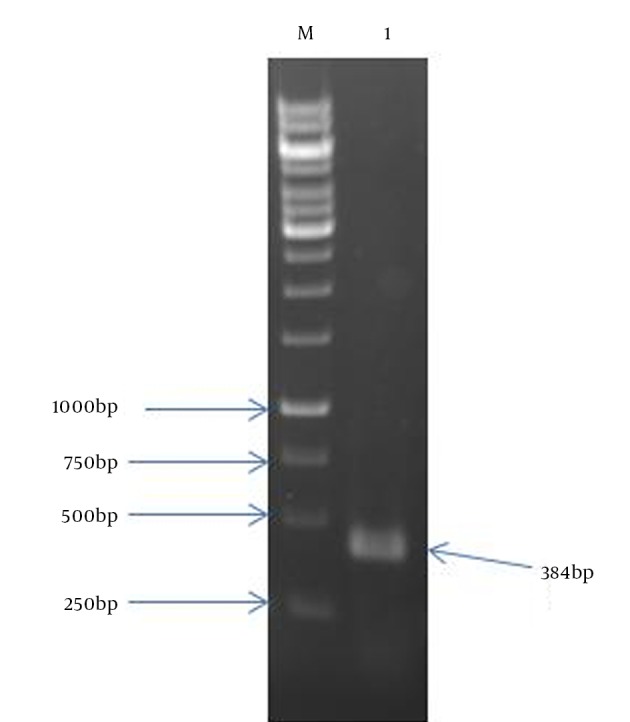
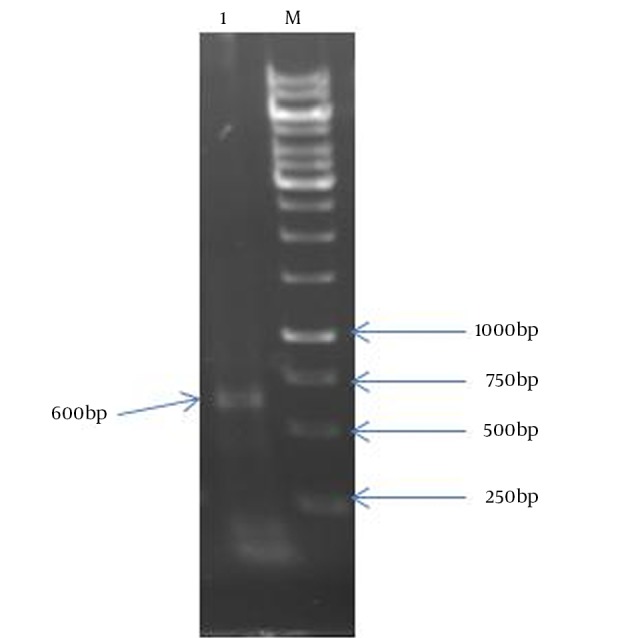
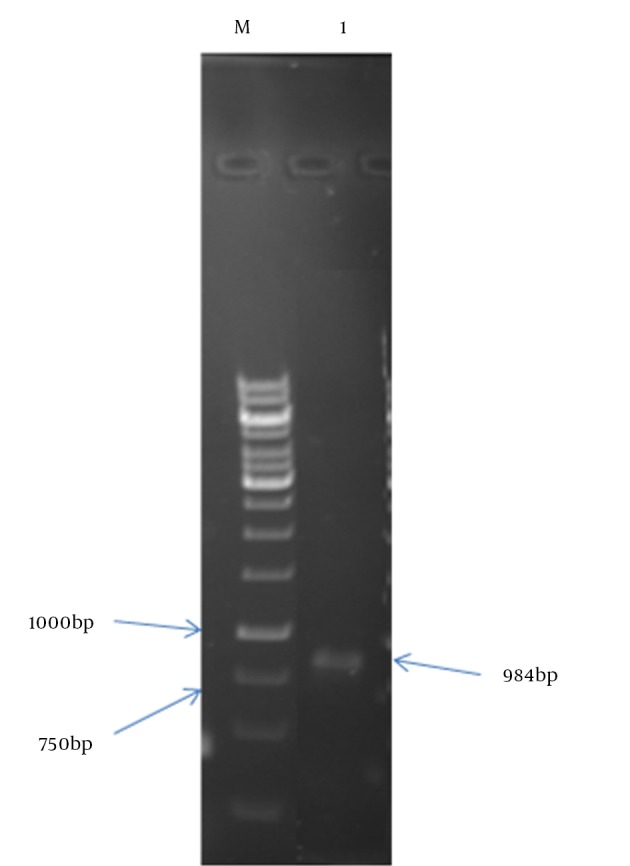
Mtb32C (Rv0125) and heparin-binding haemagglutinin adhesion (HBHA) genes were amplified using polymerase chain reaction (PCR) of M. tuberculosis H37Rv genome and ligated into pcDNA3.1 (+). Colony-PCR and restriction enzyme analysis were used to confirm the accuracy of the cloning procedure.
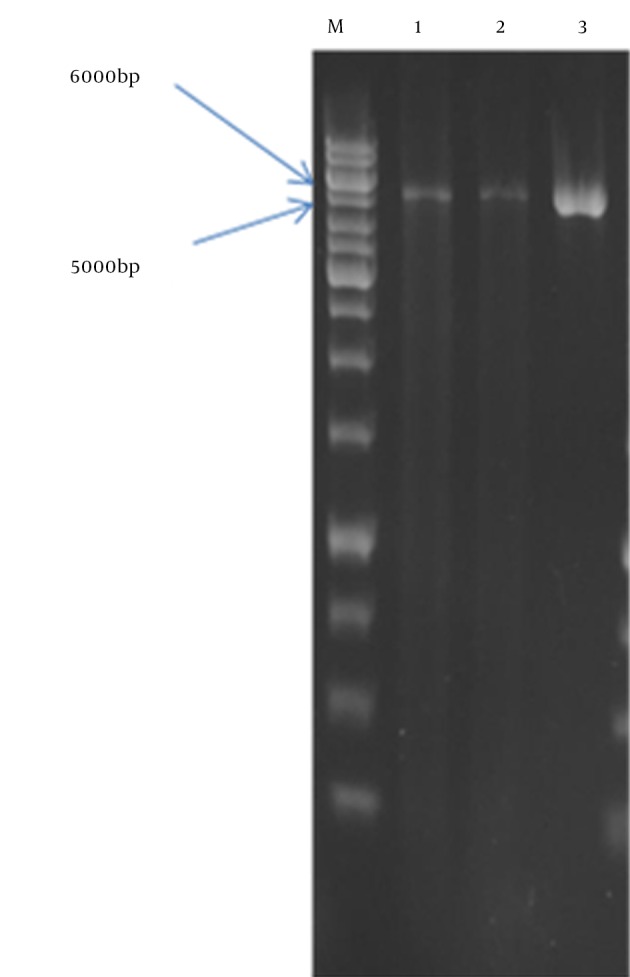
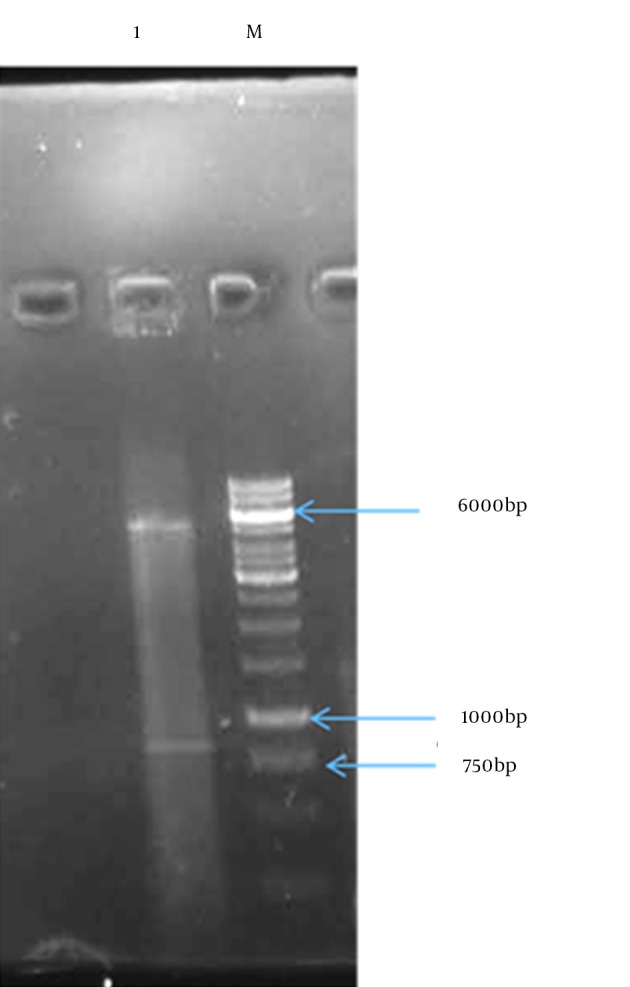
In the current study, recombinant pcDNA3.1 (+) vector containing Mtb32C and HBHA genes was successfully constructed. The desired size of DNA fragment was observed using single and double digestion methods.
Mtb32C and HBHA genes were successfully isolated from H37Rv genome and cloned into an eukaryotic expression vector. This vector can be considered as a vaccine to evaluate immune responses in animal models.
结核病(TB)是由结核分枝杆菌引起的一种传染性疾病。开发新型结核病疫苗需要能够诱导适当且持久的T细胞免疫的免疫原性抗原。结核分枝杆菌多药耐药和广泛耐药菌株的出现已使其成为全球公共卫生问题。
DNA疫苗是将抗原引入宿主的一种直接方法。在本研究中,分离出两种免疫显性分枝杆菌抗原(Mtb32C和HBHA),并将其克隆到pcDNA3.1(+)中,以设计和构建一种新型DNA疫苗。该载体能够产生新的强效嵌合蛋白。
使用结核分枝杆菌H37Rv基因组的聚合酶链反应(PCR)扩增Mtb32C(Rv0125)和肝素结合血凝素黏附素(HBHA)基因,并将其连接到pcDNA3.1(+)中。采用菌落PCR和限制性内切酶分析来确认克隆过程的准确性。
在本研究中,成功构建了包含Mtb32C和HBHA基因的重组pcDNA3.1(+)载体。通过单酶切和双酶切方法观察到了所需大小的DNA片段。
成功从H37Rv基因组中分离出Mtb32C和HBHA基因,并将其克隆到真核表达载体中。该载体可作为一种疫苗用于评估动物模型中的免疫反应。