Sherry Barbara, Jain Preetesh, Chiu Pui Yan, Leung Ling, Allen Steven L, Kolitz Jonathan E, Rai Kanti R, Barrientos Jacquie, Liang Spencer, Hawtin Rachael, Chiorazzi Nicholas
Center for Immunology and Inflammation, The Feinstein Institute for Medical Research, 350 Community Drive, Manhasset, NY, 11030, USA.
Department of Medicine, Hofstra North Shore-LIJ School of Medicine, Hofstra University, Hempstead, NY, USA.
Immunol Res. 2015 Dec;63(1-3):216-27. doi: 10.1007/s12026-015-8722-5.
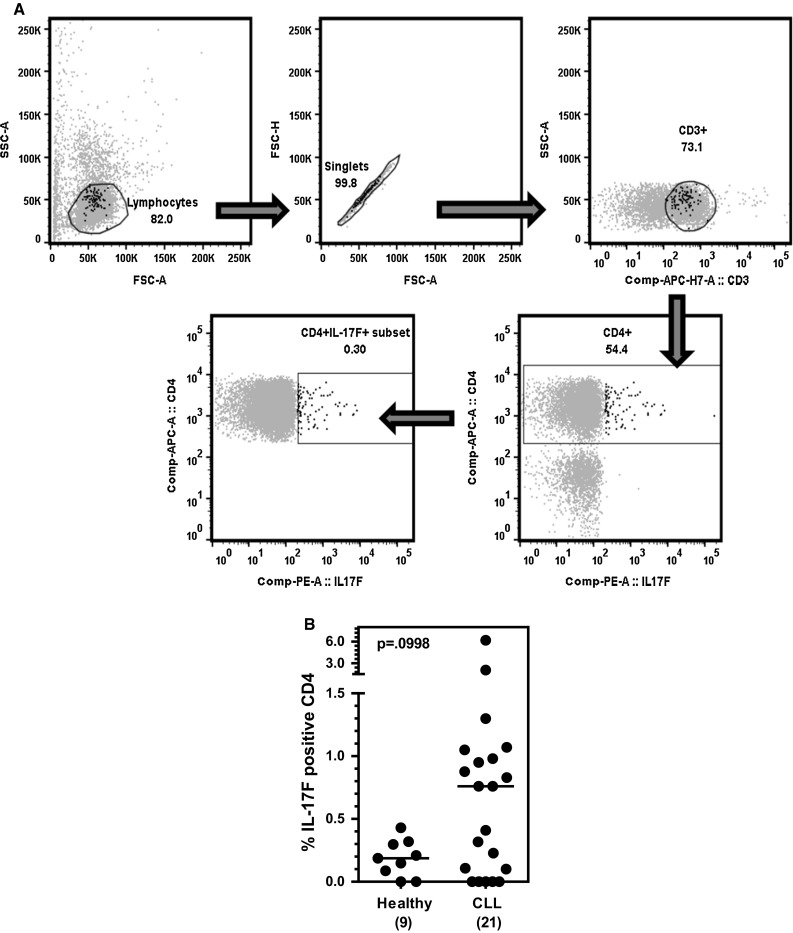
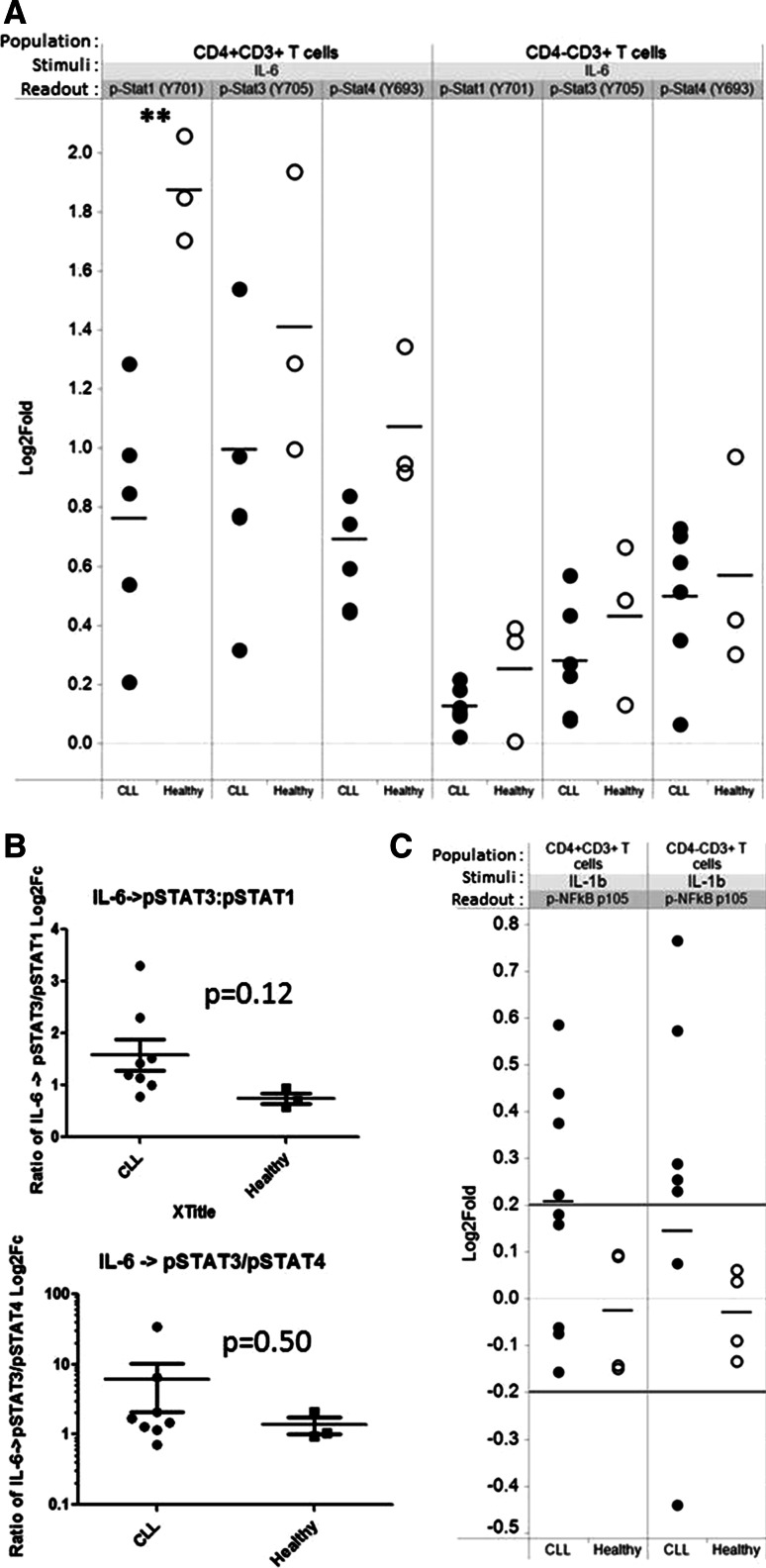
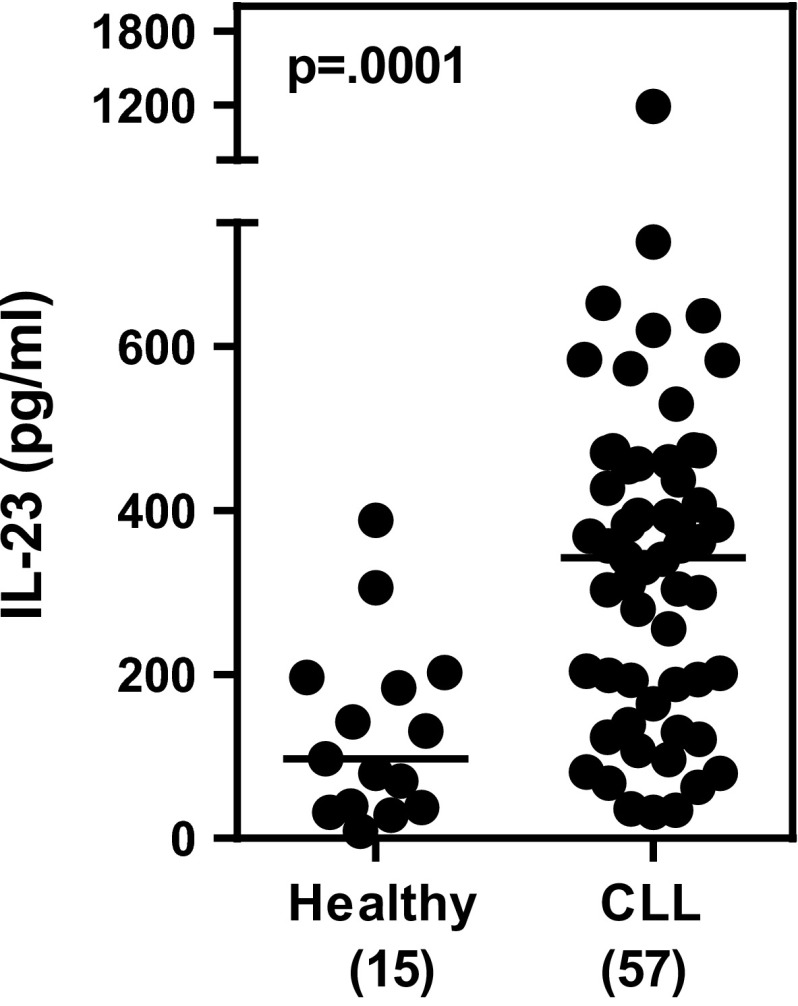
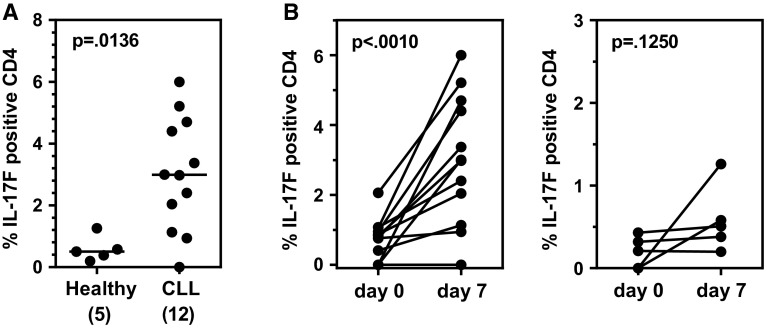
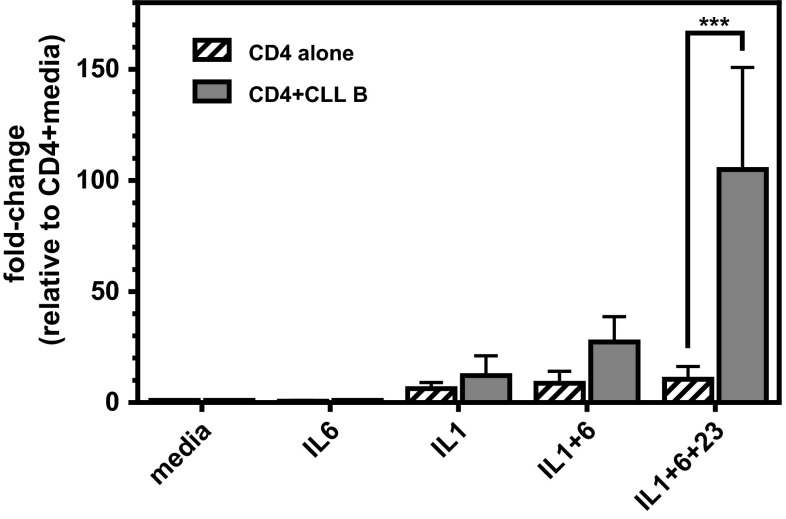
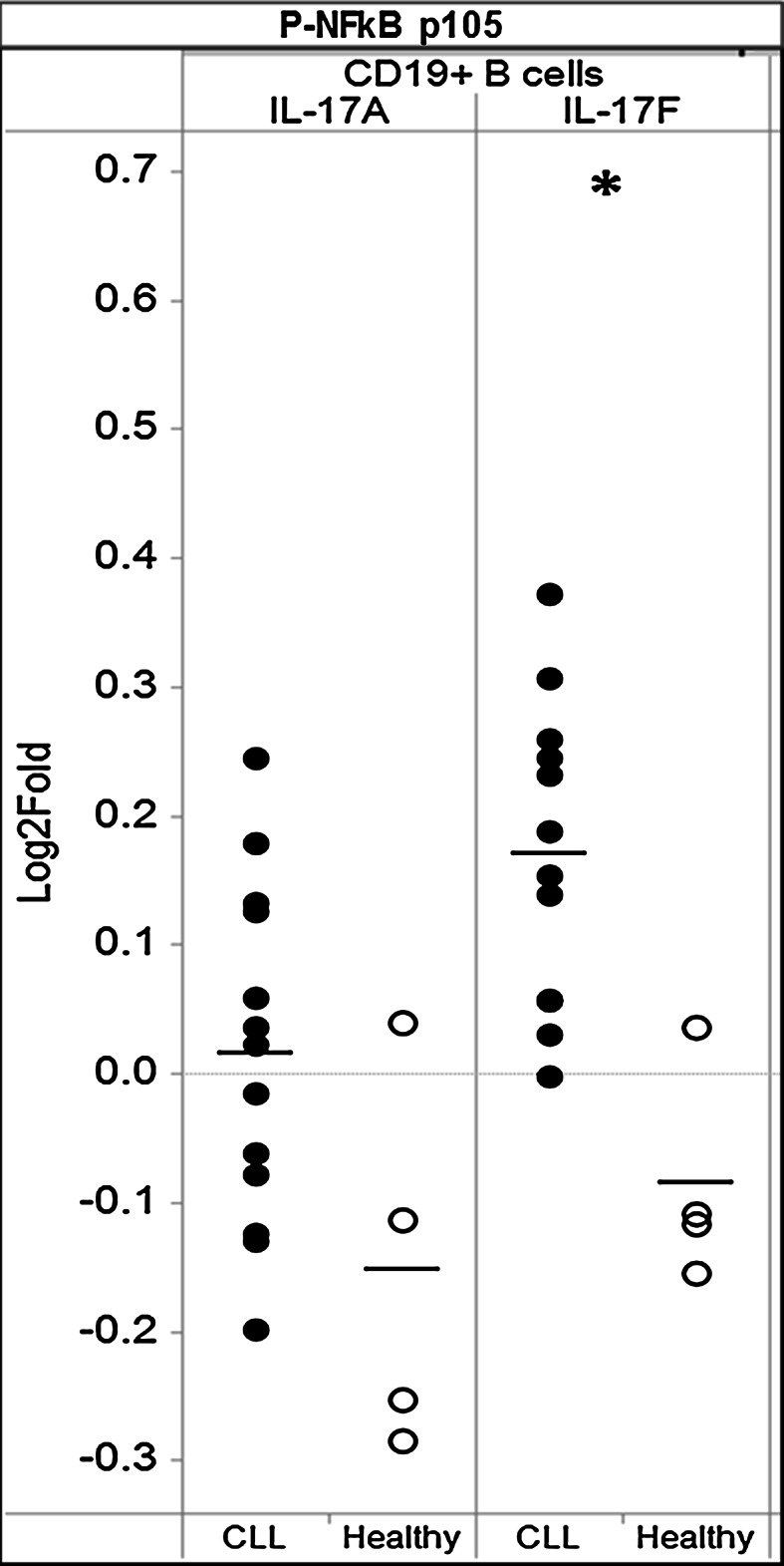
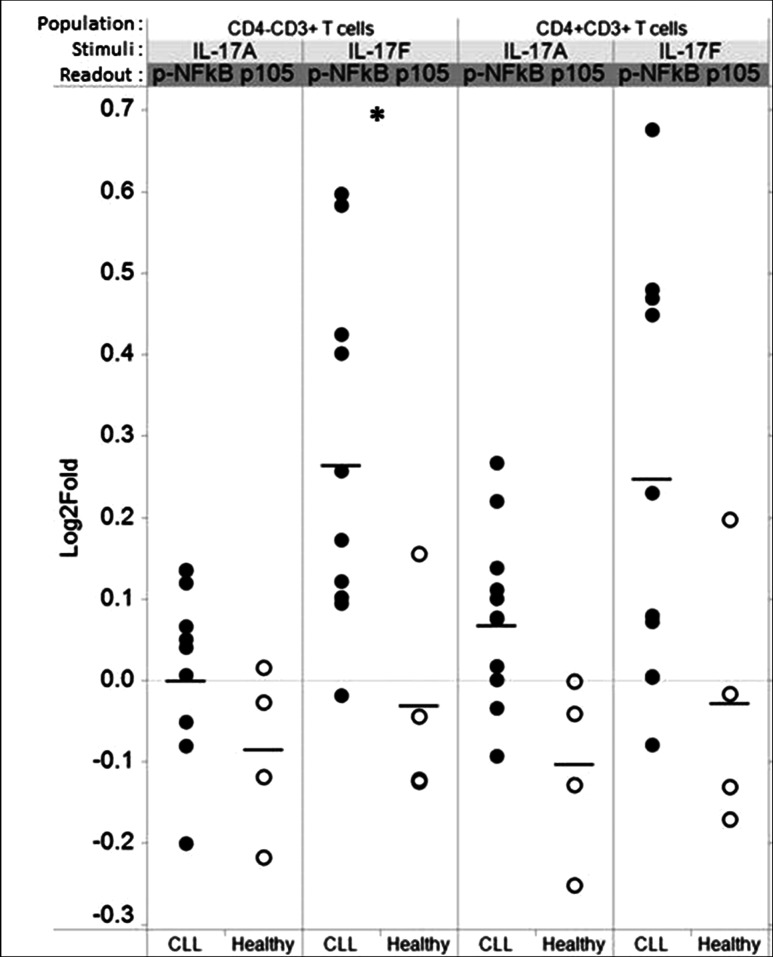
Chronic lymphocytic leukemia (CLL) is characterized by a progressive accumulation of B lymphocytes. T cell abnormalities are a common feature of CLL and contribute to impaired immune function in these patients. T cells are ineffective in eliminating the leukemic clone and may actually promote tumor growth and survival. Previous work from our laboratory documented elevated circulating levels of IL-17A-producing Th17 cells in CLL patients as compared to healthy age-matched control subjects. These high circulating Th17 levels associated with better prognostic markers and significantly longer overall survival, even among patients whose clones used unmutated IGHVs (U-CLL). Recent studies suggest that Th17 cells are heterogeneous, expressing different profiles of cytokines, and that different subsets of Th17s mediate different biological functions. In the present study, we found significantly higher levels of IL-17F-expressing CD4(+) T cells in CLL versus healthy peripheral blood mononuclear cells following in vitro stimulation in the presence of Th17-promoting cytokines. Furthermore, the differentiation of IL-17F-expressing Th17 cells was significantly enhanced when purified CD4(+) T cells from CLL patients were cultured in the presence of autologous CLL B cells. Lastly, single-cell network profiling revealed that IL-17F triggers NFκB phosphorylation in T and B cells from patients with CLL, but not age-matched healthy controls. Taken together, our data suggest that the phenotype of Th17 cells in CLL patients is distinct from healthy individuals, expressing higher levels of IL-17F, and that B and T cells from CLL patients are particularly responsive to IL-17F, as compared to healthy age-matched control individuals.
慢性淋巴细胞白血病(CLL)的特征是B淋巴细胞进行性积聚。T细胞异常是CLL的常见特征,并导致这些患者免疫功能受损。T细胞在消除白血病克隆方面无效,实际上可能促进肿瘤生长和存活。我们实验室之前的研究记录了与年龄匹配的健康对照受试者相比,CLL患者中产生IL-17A的Th17细胞循环水平升高。这些高循环Th17水平与更好的预后标志物相关,并且总体生存期显著更长,即使在其克隆使用未突变IGHV(U-CLL)的患者中也是如此。最近的研究表明,Th17细胞是异质性的,表达不同的细胞因子谱,并且不同的Th17亚群介导不同的生物学功能。在本研究中,我们发现在存在促进Th17细胞因子的体外刺激后,CLL患者中表达IL-17F的CD4(+) T细胞水平明显高于健康外周血单个核细胞。此外,当在自体CLL B细胞存在的情况下培养来自CLL患者的纯化CD4(+) T细胞时,表达IL-17F的Th17细胞的分化显著增强。最后,单细胞网络分析显示,IL-17F触发CLL患者T和B细胞中的NFκB磷酸化,但不触发年龄匹配的健康对照者的NFκB磷酸化。综上所述,我们的数据表明,CLL患者中Th17细胞的表型与健康个体不同,表达更高水平的IL-17F,并且与年龄匹配的健康对照个体相比,CLL患者的B和T细胞对IL-17F特别敏感。