Lee Kyungjin, Shin Min Sik, Ham Inhye, Choi Ho-Young
Department of Herbology, College of Korean Medicine, Kyung Hee University, 26 Kyungheedae-ro, Dongdaemun-gu, Seoul, 130-701, Republic of Korea.
BMC Complement Altern Med. 2015 Oct 31;15:395. doi: 10.1186/s12906-015-0889-8.
The root of Angelica dahurica Bentham et Hooker (Umbelliferae) has been used as a traditional medicine for colds, headache, dizziness, toothache, supraorbital pain, nasal congestion, acne, ulcer, carbuncle, and rheumatism in China, Japan, and Korea. Interestingly, it has been used in the treatment of vascular diseases including hypertension. The aim of this study was to provide pharmacological evidence for the anti-hypertensive effect of A. dahurica by investigating the mechanism underlying its vasorelaxant effect.
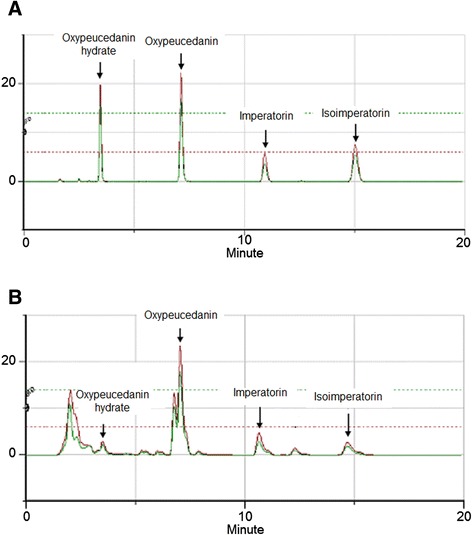
The vasorelaxant effects of a 70% methanol extract of the A. dahurica root (ADE) on rat thoracic aorta and its underlying mechanisms were assessed. Isolated rat aortic rings were suspended in organ chambers containing 10 ml Krebs-Henseleit (K-H) solution and placed between 2 tungsten stirrups and connected to an isometric force transducer. Changes in tension were recorded via isometric transducers connected to a data acquisition system.
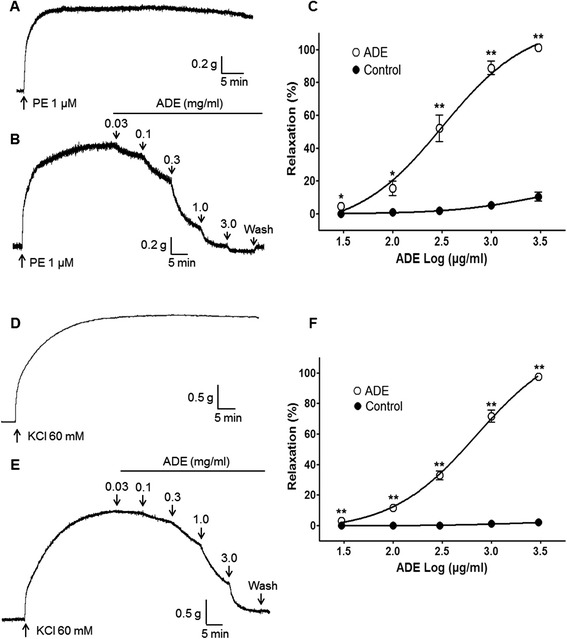
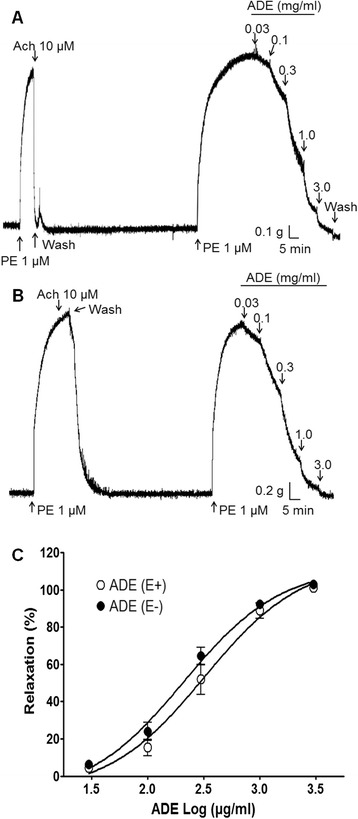
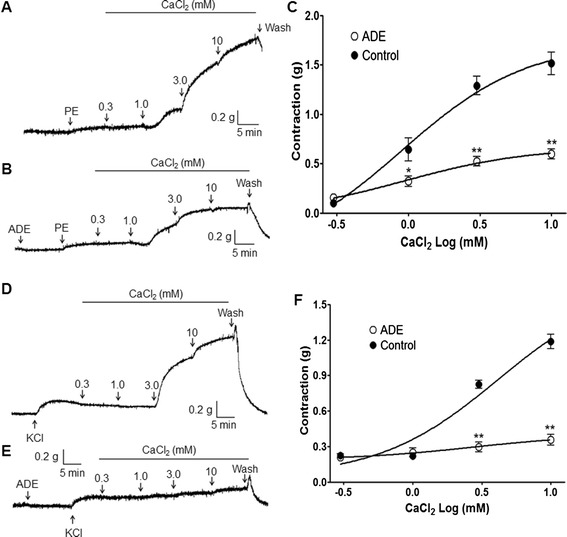
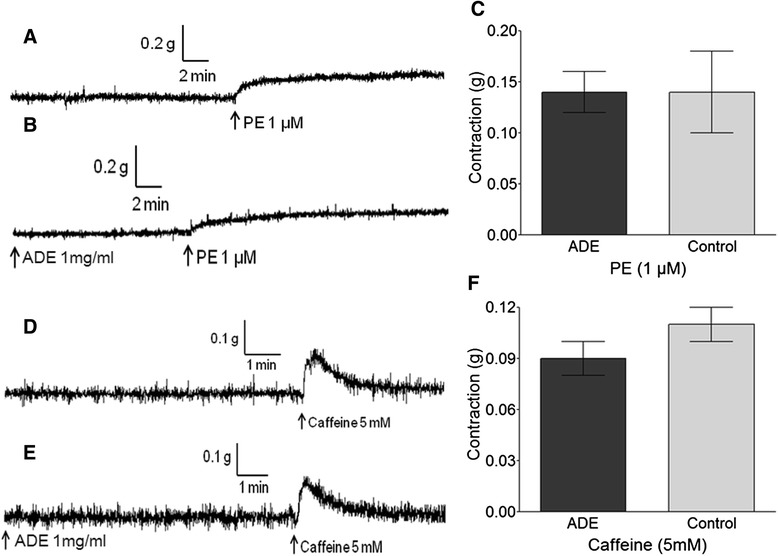
ADE causes concentration-dependent relaxation in both endothelium-intact and endothelium-denuded aortic rings precontracted with phenylephrine (PE; 1 μM) or potassium (KCl; 60 mM) in K-H solution. And pre-treatment with ADE (1 mg/ml) inhibited calcium-induced vasocontraction of aortic rings induced by PE or KCl. However, ADE pre-treatment did not affect the contraction induced by PE or caffeine in Ca(2+)-free K-H solution.
These results suggested that the ADE has vasorelaxant effect and the vasorelaxant activity is mediated by endothelium-independent pathway that includes the blockade of extracellular calcium influx through the receptor-operated Ca(2+) channel and voltage-dependent calcium channel pathways.
白芷(伞形科)根在中国、日本和韩国一直被用作治疗感冒、头痛、头晕、牙痛、眶上痛、鼻塞、痤疮、溃疡、痈和风湿病的传统药物。有趣的是,它还被用于治疗包括高血压在内的血管疾病。本研究的目的是通过研究其血管舒张作用的潜在机制,为白芷的抗高血压作用提供药理学证据。
评估白芷根70%甲醇提取物(ADE)对大鼠胸主动脉的血管舒张作用及其潜在机制。将分离的大鼠主动脉环悬挂在含有10 ml Krebs-Henseleit(K-H)溶液的器官浴槽中,置于两个钨制搅拌器之间,并连接到等长力传感器。通过连接到数据采集系统的等长传感器记录张力变化。
ADE可使在K-H溶液中用去氧肾上腺素(PE;1 μM)或钾(KCl;60 mM)预收缩的完整内皮和去内皮主动脉环产生浓度依赖性舒张。用ADE(1 mg/ml)预处理可抑制PE或KCl诱导的主动脉环钙诱导血管收缩。然而,ADE预处理不影响无钙K-H溶液中PE或咖啡因诱导的收缩。
这些结果表明,ADE具有血管舒张作用,其血管舒张活性是通过非内皮依赖途径介导的,该途径包括通过受体操纵性钙通道和电压依赖性钙通道途径阻断细胞外钙内流。