Gomes Ana R, Abrantes Ana M, Brito Ana F, Laranjo Mafalda, Casalta-Lopes João E, Gonçalves Ana C, Sarmento-Ribeiro Ana B, Botelho Maria F, Tralhão José G
Biophysics Unit, Faculty of Medicine of University of Coimbra, Coimbra, Portugal.
Biophysics Unit, Faculty of Medicine of University of Coimbra, Coimbra, Portugal. ; Center of Investigation on Environmental, Genetics and Oncobiology (CIMAGO), Faculty of Medicine of University of Coimbra, Coimbra, Portugal. ; CNC.IBILI, University of Coimbra, Coimbra, Portugal.
Clin Mol Hepatol. 2015 Sep;21(3):257-67. doi: 10.3350/cmh.2015.21.3.257. Epub 2015 Sep 30.
BACKGROUND/AIMS: Hepatocellular carcinoma (HCC) is one of the most common cancers worldwide, and it has a poor prognosis and few therapeutic options. Radiotherapy is one of the most effective forms of cancer treatment, and P53 protein is one of the key molecules determining how a cell responds to radiotherapy. The aim of this study was to determine the therapeutic efficacy of iodine-131 in three human HCC cell lines.
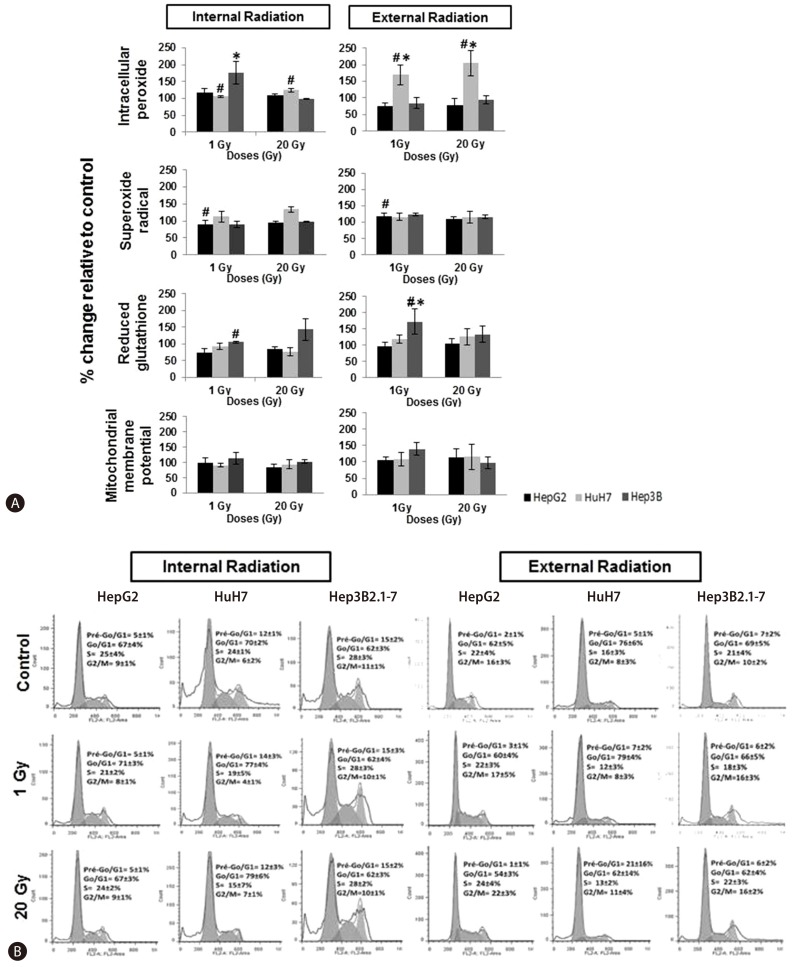
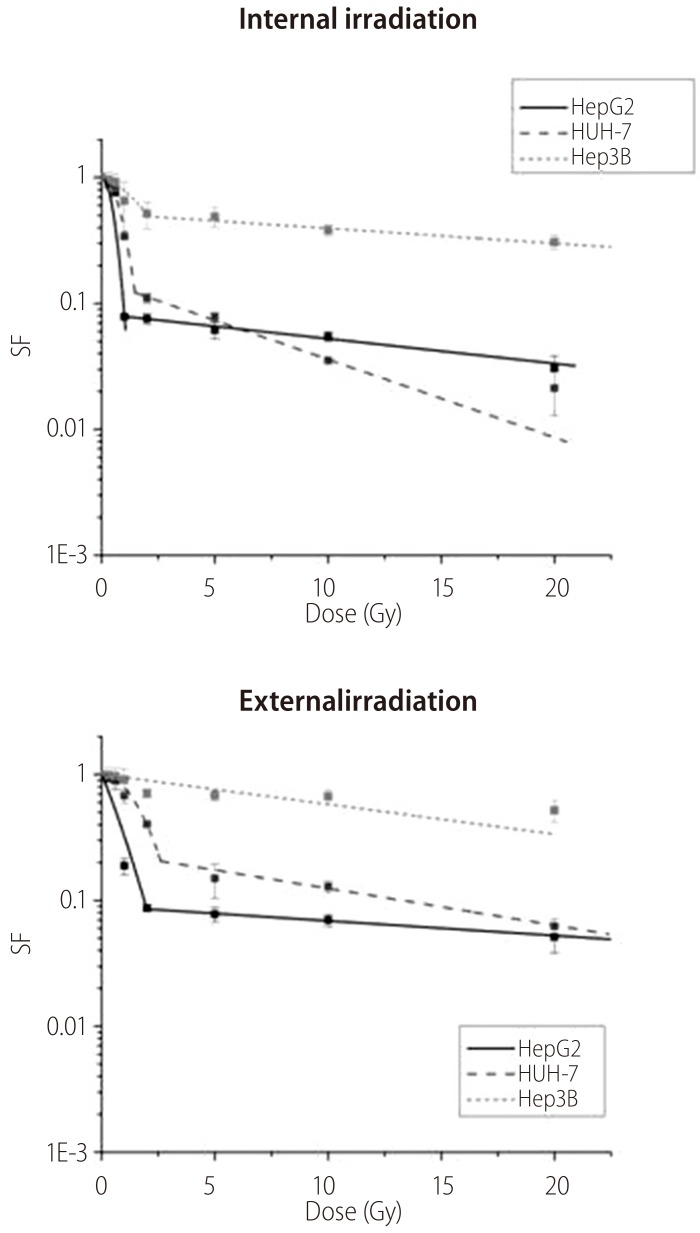
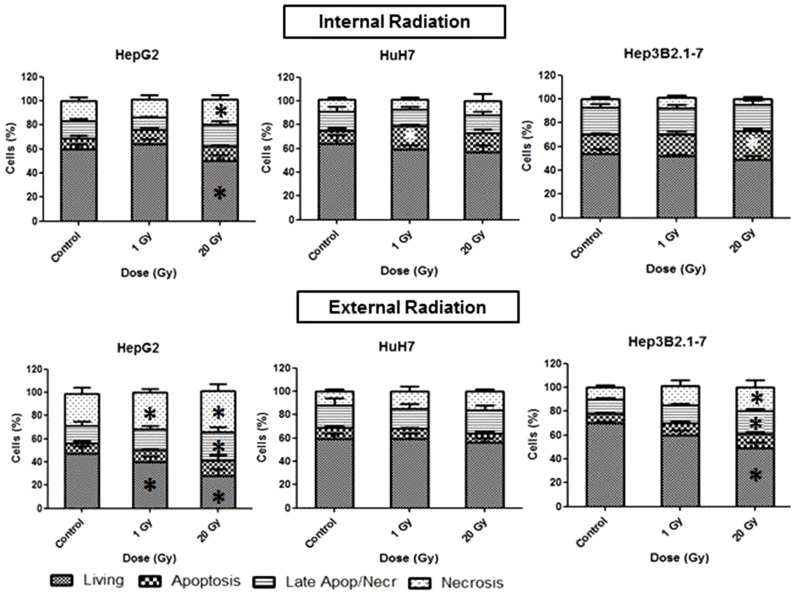
Western blotting was used to measure P53 expression. The effects of radiotherapy with iodine-131 were assessed by using the clonogenic assay to evaluate cell survival. Flow cytometry was carried out to examine the effects of iodine-131 on cell death, oxidative stress, reduced intracellular glutathione expression, the mitochondrial membrane potential, and the cell cycle.
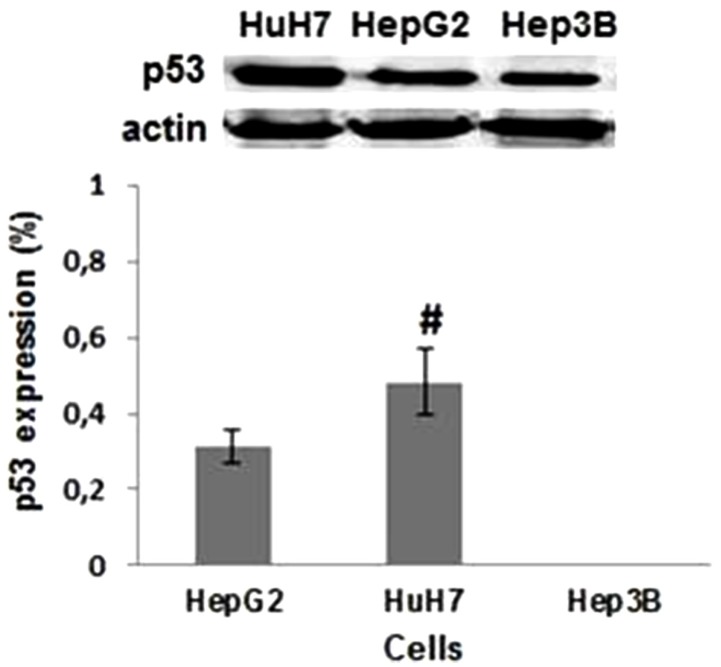
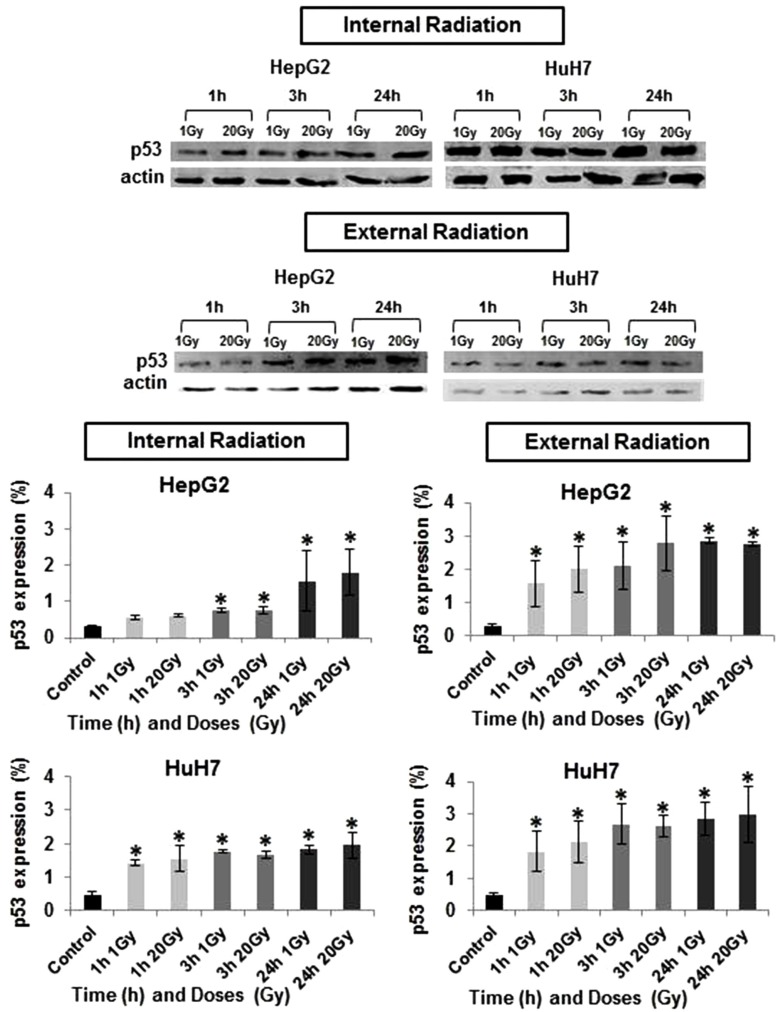
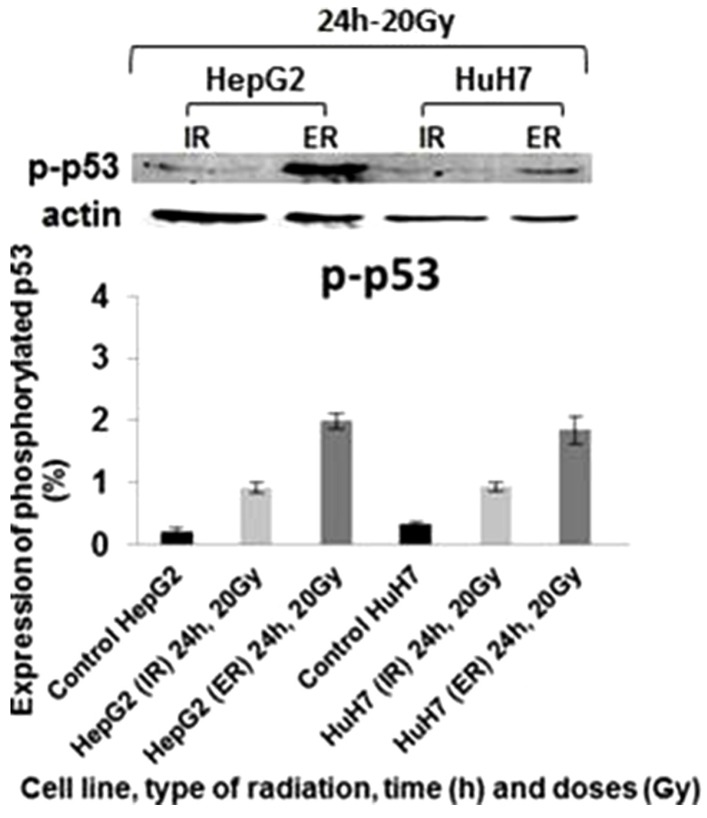
The P53 protein was not expressed in Hep3B2.1-7 cells, was expressed at normal levels in HepG2 cells, and was overexpressed in HuH7 cells. P53 expression in the HuH7 and HepG2 cell lines increased after internal and external irradiation with iodine-131. Irradiation induced a decrease in cell survival and led to a decrease in cell viability in all of the cell lines studied, accompanied by cell death via late apoptosis/necrosis and necrosis. Irradiation with 131-iodine induced mostly cell-cycle arrest in the G0/G1 phase.
These results suggest that P53 plays a key role in the radiotherapy response of HCC.
背景/目的:肝细胞癌(HCC)是全球最常见的癌症之一,其预后较差且治疗选择有限。放射治疗是最有效的癌症治疗形式之一,P53蛋白是决定细胞如何对放射治疗作出反应的关键分子之一。本研究的目的是确定碘-131对三种人肝癌细胞系的治疗效果。
采用蛋白质免疫印迹法检测P53表达。通过克隆形成试验评估细胞存活情况,以评估碘-131放射治疗的效果。采用流式细胞术检测碘-131对细胞死亡、氧化应激、细胞内谷胱甘肽表达降低、线粒体膜电位和细胞周期的影响。
Hep3B2.1-7细胞中未表达P53蛋白,HepG2细胞中P53蛋白表达正常,HuH7细胞中P53蛋白过表达。碘-131内外照射后,HuH7和HepG2细胞系中的P53表达增加。照射导致所有研究细胞系的细胞存活减少和细胞活力降低,伴有晚期凋亡/坏死和坏死引起的细胞死亡。131碘照射主要导致细胞周期停滞在G0/G1期。
这些结果表明P53在肝癌的放射治疗反应中起关键作用。