Gershman Samuel J
Department of Psychology and Center for Brain Science, Harvard University, Cambridge, Massachusetts, United States of America.
PLoS Comput Biol. 2015 Nov 4;11(11):e1004567. doi: 10.1371/journal.pcbi.1004567. eCollection 2015 Nov.
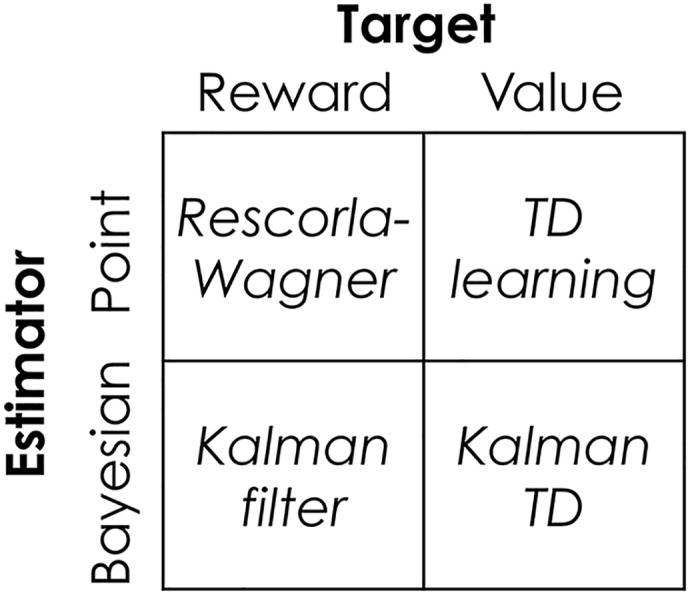
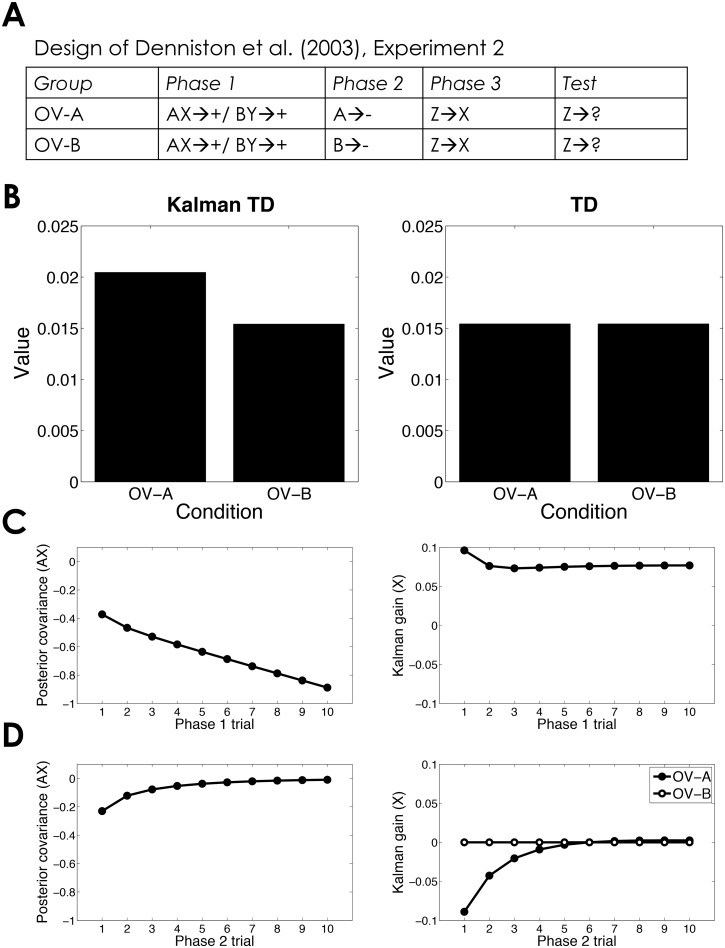
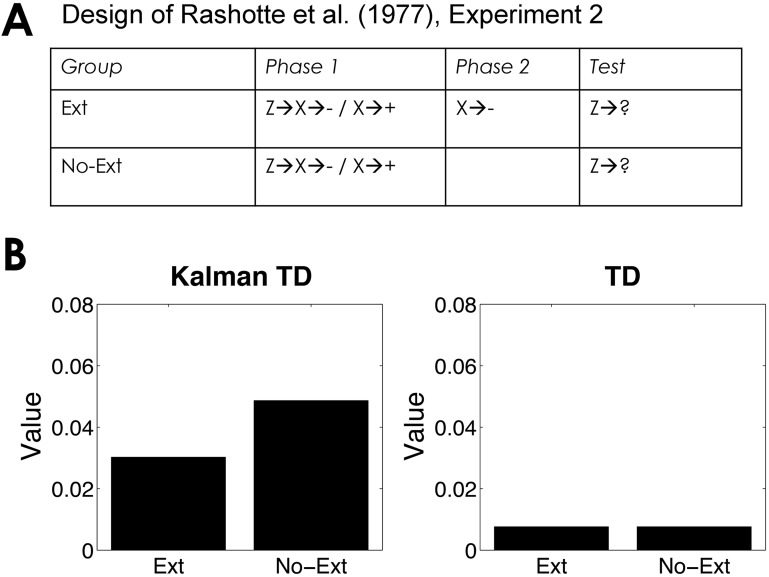
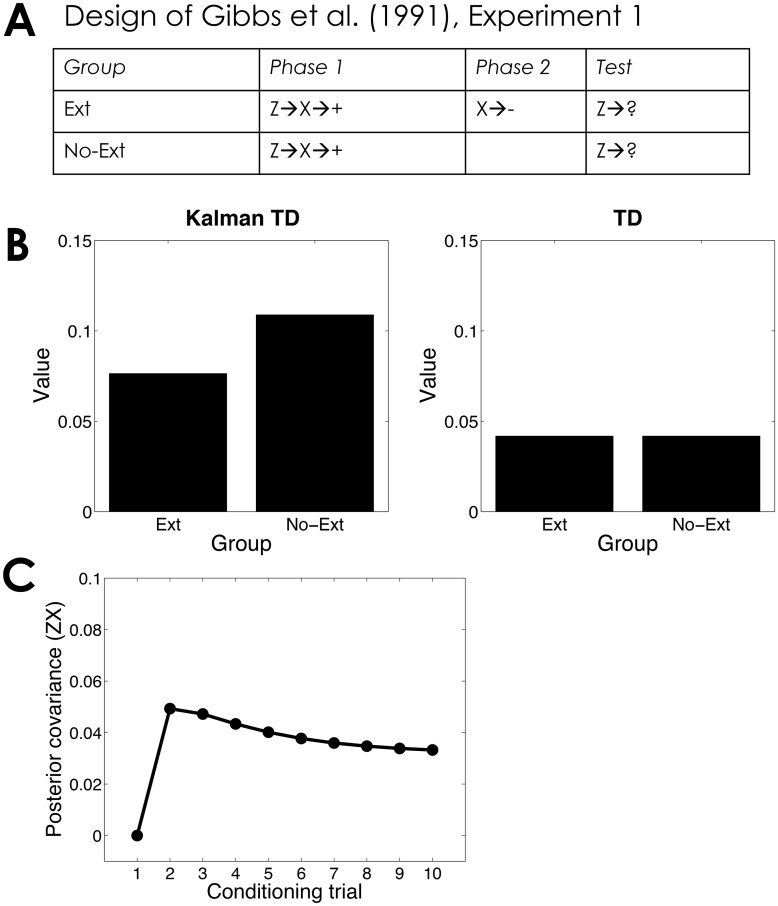
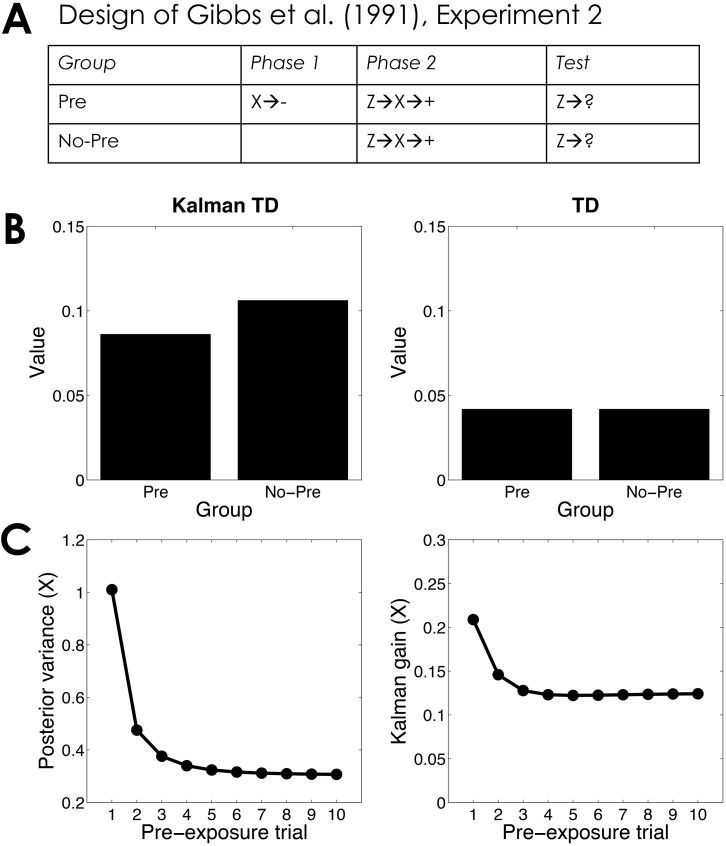
Two important ideas about associative learning have emerged in recent decades: (1) Animals are Bayesian learners, tracking their uncertainty about associations; and (2) animals acquire long-term reward predictions through reinforcement learning. Both of these ideas are normative, in the sense that they are derived from rational design principles. They are also descriptive, capturing a wide range of empirical phenomena that troubled earlier theories. This article describes a unifying framework encompassing Bayesian and reinforcement learning theories of associative learning. Each perspective captures a different aspect of associative learning, and their synthesis offers insight into phenomena that neither perspective can explain on its own.
近几十年来,关于联想学习出现了两个重要观点:(1)动物是贝叶斯学习者,会追踪它们对联想的不确定性;(2)动物通过强化学习获得长期奖励预测。从它们源自合理设计原则的意义上来说,这两个观点都是规范性的。它们也是描述性的,涵盖了困扰早期理论的广泛实证现象。本文描述了一个统一框架,该框架包含联想学习的贝叶斯理论和强化学习理论。每个视角都捕捉到了联想学习的一个不同方面,它们的综合为两种视角各自都无法单独解释的现象提供了见解。