Turner Ryan C, Lucke-Wold Brandon P, Logsdon Aric F, Robson Matthew J, Dashnaw Matthew L, Huang Jason H, Smith Kelly E, Huber Jason D, Rosen Charles L, Petraglia Anthony L
Department of Neurosurgery, West Virginia University School of Medicine , Morgantown, WV , USA ; Center for Neuroscience, West Virginia University School of Medicine , Morgantown, WV , USA.
Center for Neuroscience, West Virginia University School of Medicine , Morgantown, WV , USA ; Department of Basic Pharmaceutical Sciences, West Virginia University School of Pharmacy , Morgantown, WV , USA.
Front Neurol. 2015 Oct 20;6:222. doi: 10.3389/fneur.2015.00222. eCollection 2015.
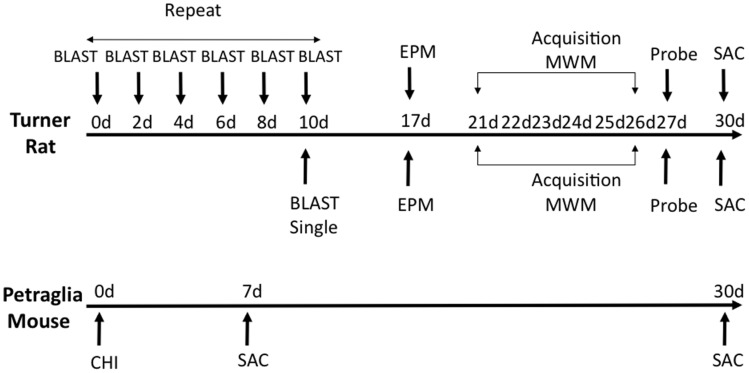
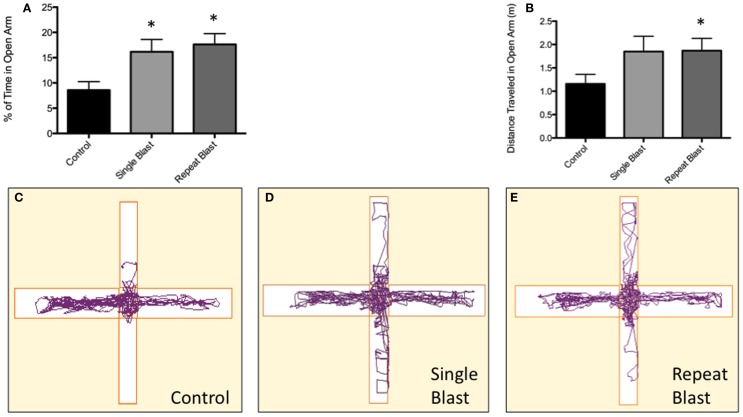
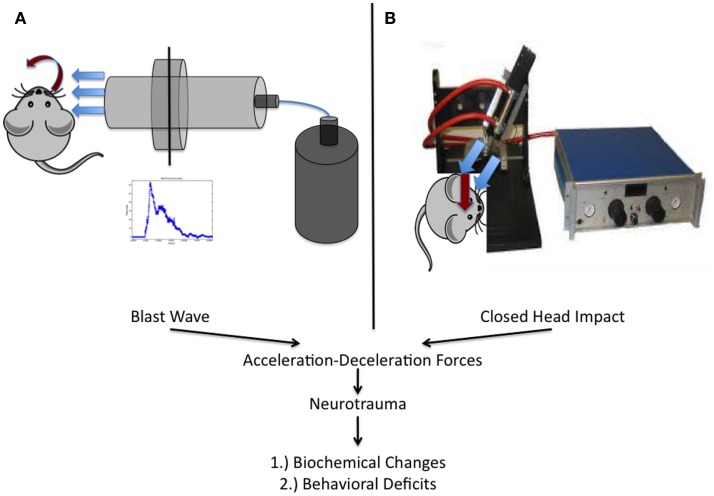
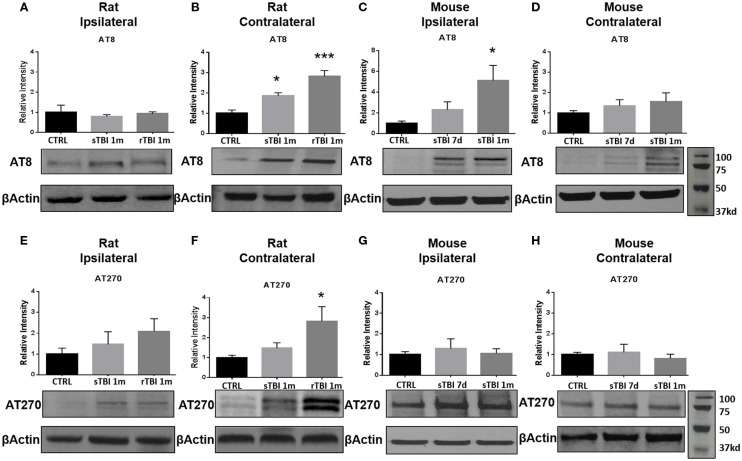
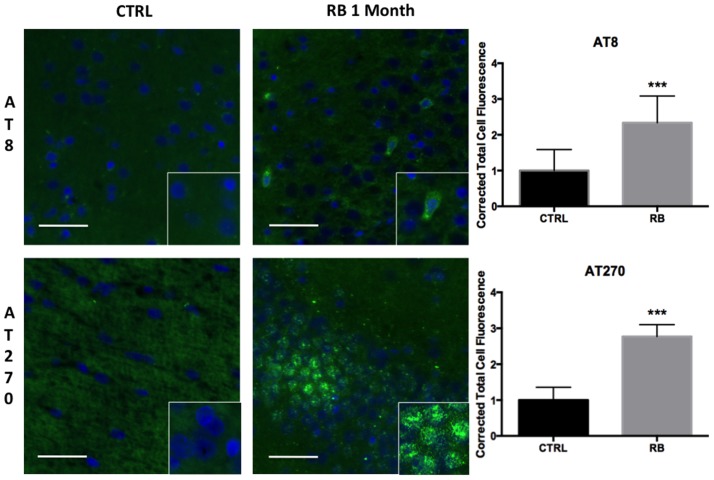
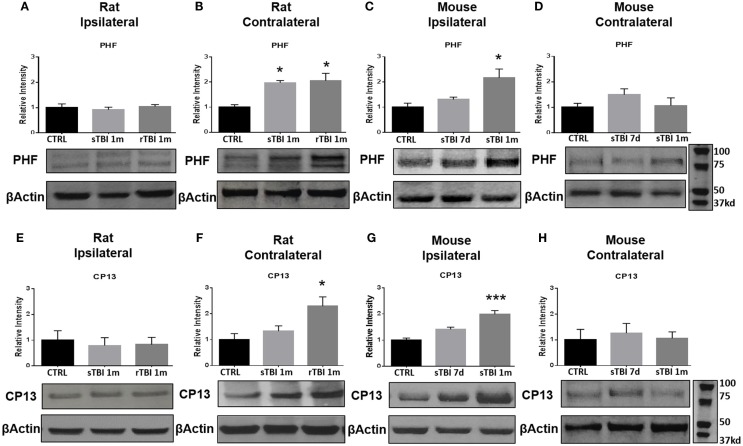
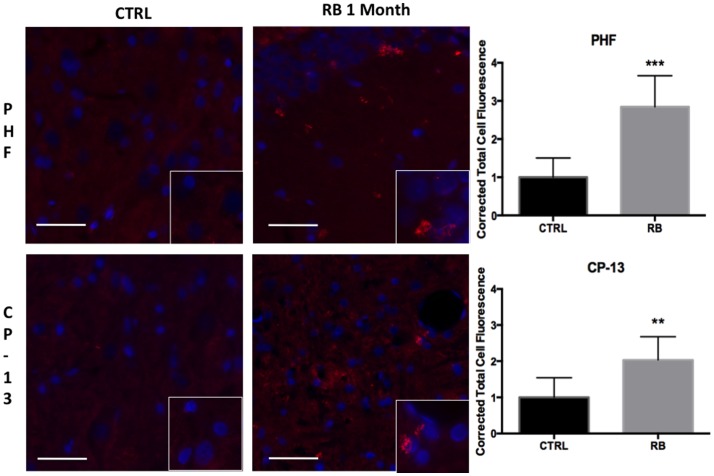
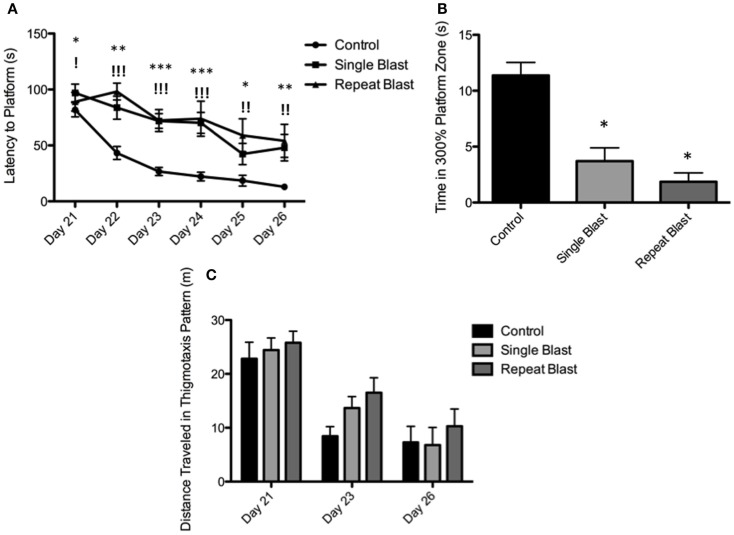
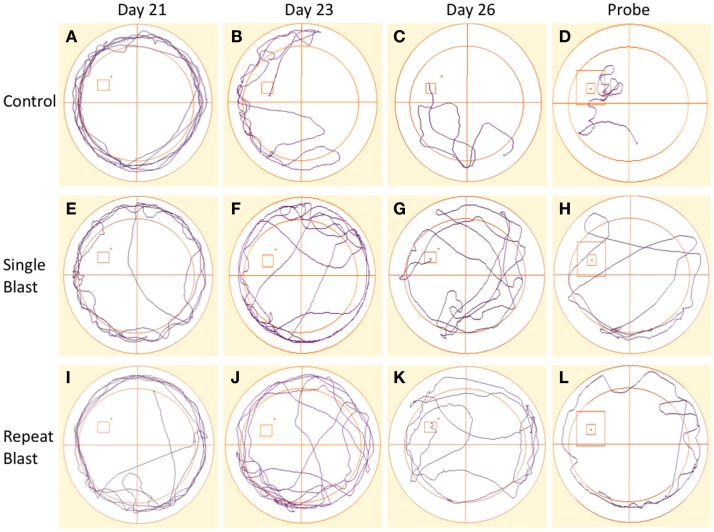
Chronic neurodegeneration following a history of neurotrauma is frequently associated with neuropsychiatric and cognitive symptoms. In order to enhance understanding about the underlying pathophysiology linking neurotrauma to neurodegeneration, a multi-model preclinical approach must be established to account for the different injury paradigms and pathophysiologic mechanisms. We investigated the development of tau pathology and behavioral changes using a multi-model and multi-institutional approach, comparing the preclinical results to tauopathy patterns seen in post-mortem human samples from athletes diagnosed with chronic traumatic encephalopathy (CTE). We utilized a scaled and validated blast-induced traumatic brain injury model in rats and a modified pneumatic closed-head impact model in mice. Tau hyperphosphorylation was evaluated by western blot and immunohistochemistry. Elevated-plus maze and Morris water maze were employed to measure impulsive-like behavior and cognitive deficits respectively. Animals exposed to single blast (~50 PSI reflected peak overpressure) exhibited elevated AT8 immunoreactivity in the contralateral hippocampus at 1 month compared to controls (q = 3.96, p < 0.05). Animals exposed to repeat blast (six blasts over 2 weeks) had increased AT8 (q = 8.12, p < 0.001) and AT270 (q = 4.03, p < 0.05) in the contralateral hippocampus at 1 month post-injury compared to controls. In the modified controlled closed-head impact mouse model, no significant difference in AT8 was seen at 7 days, however a significant elevation was detected at 1 month following injury in the ipsilateral hippocampus compared to control (q = 4.34, p < 0.05). Elevated-plus maze data revealed that rats exposed to single blast (q = 3.53, p < 0.05) and repeat blast (q = 4.21, p < 0.05) spent more time in seconds exploring the open arms compared to controls. Morris water maze testing revealed a significant difference between groups in acquisition times on days 22-27. During the probe trial, single blast (t = 6.44, p < 0.05) and repeat blast (t = 8.00, p < 0.05) rats spent less time in seconds exploring where the platform had been located compared to controls. This study provides a multi-model example of replicating tau and behavioral changes in animals and provides a foundation for future investigation of CTE disease pathophysiology and therapeutic development.
神经创伤史后的慢性神经退行性变常与神经精神和认知症状相关。为了加深对将神经创伤与神经退行性变联系起来的潜在病理生理学的理解,必须建立一种多模型临床前方法,以考虑不同的损伤模式和病理生理机制。我们采用多模型和多机构方法研究了tau病理的发展和行为变化,并将临床前结果与诊断为慢性创伤性脑病(CTE)的运动员死后人类样本中的tau病变模式进行了比较。我们在大鼠中使用了一种经过缩放和验证的爆炸诱导创伤性脑损伤模型,在小鼠中使用了一种改良的气动闭合性颅脑撞击模型。通过蛋白质免疫印迹法和免疫组织化学法评估tau蛋白的过度磷酸化。采用高架十字迷宫和莫里斯水迷宫分别测量冲动样行为和认知缺陷。与对照组相比,暴露于单次爆炸(约50 PSI反射超压峰值)的动物在1个月时对侧海马区的AT8免疫反应性升高(q = 3.96,p < 0.05)。与对照组相比,暴露于重复爆炸(2周内6次爆炸)的动物在损伤后1个月时对侧海马区的AT8(q = 8.12,p < 0.001)和AT270(q = 4.03,p < 0.05)增加。在改良的控制性闭合性颅脑撞击小鼠模型中,损伤后7天时AT8无显著差异,但与对照组相比,损伤后1个月时同侧海马区AT8显著升高(q = 4.34,p < 0.05)。高架十字迷宫数据显示,与对照组相比,暴露于单次爆炸(q = 3.53,p < 0.05)和重复爆炸(q = 4.21,p < 0.05)的大鼠在开放臂中探索的时间以秒计更多。莫里斯水迷宫测试显示,在第22 - 27天的获取时间上,各组之间存在显著差异。在探针试验中,与对照组相比,单次爆炸(t = 6.44,p < 0.05)和重复爆炸(t = 8.00,p < 0.05)的大鼠在探索平台所在位置的时间以秒计更少。本研究提供了一个在动物中复制tau蛋白和行为变化的多模型示例,并为未来CTE疾病病理生理学研究和治疗开发奠定了基础。