Mahdi Layla K, Van der Hoek Mark B, Ebrahimie Esmaeil, Paton James C, Ogunniyi Abiodun D
Research Centre for Infectious Diseases, School of Biological Sciences, The University of Adelaide, Adelaide, South Australia, Australia.
Adelaide Microarray Centre, The University of Adelaide and SA Pathology, Adelaide, South Australia, Australia.
PLoS One. 2015 Nov 5;10(11):e0141816. doi: 10.1371/journal.pone.0141816. eCollection 2015.
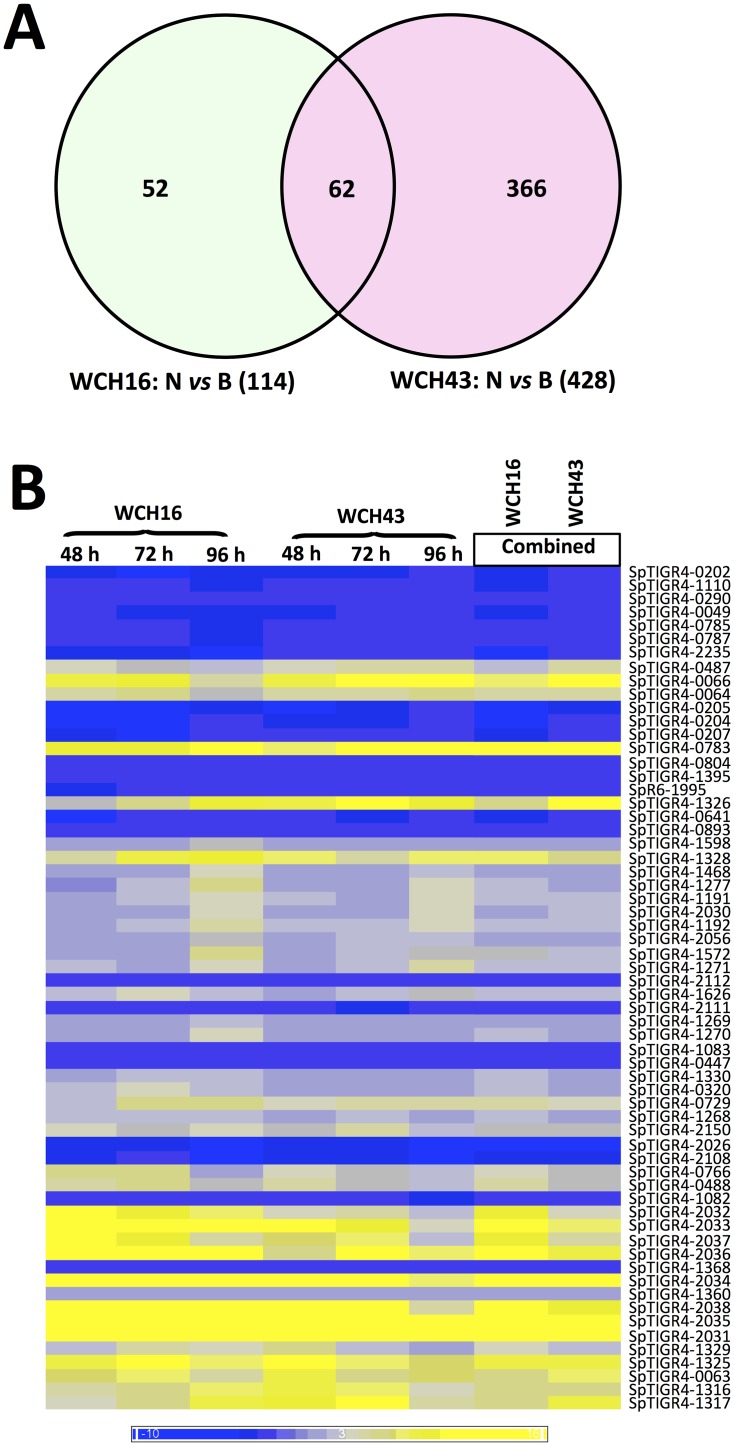
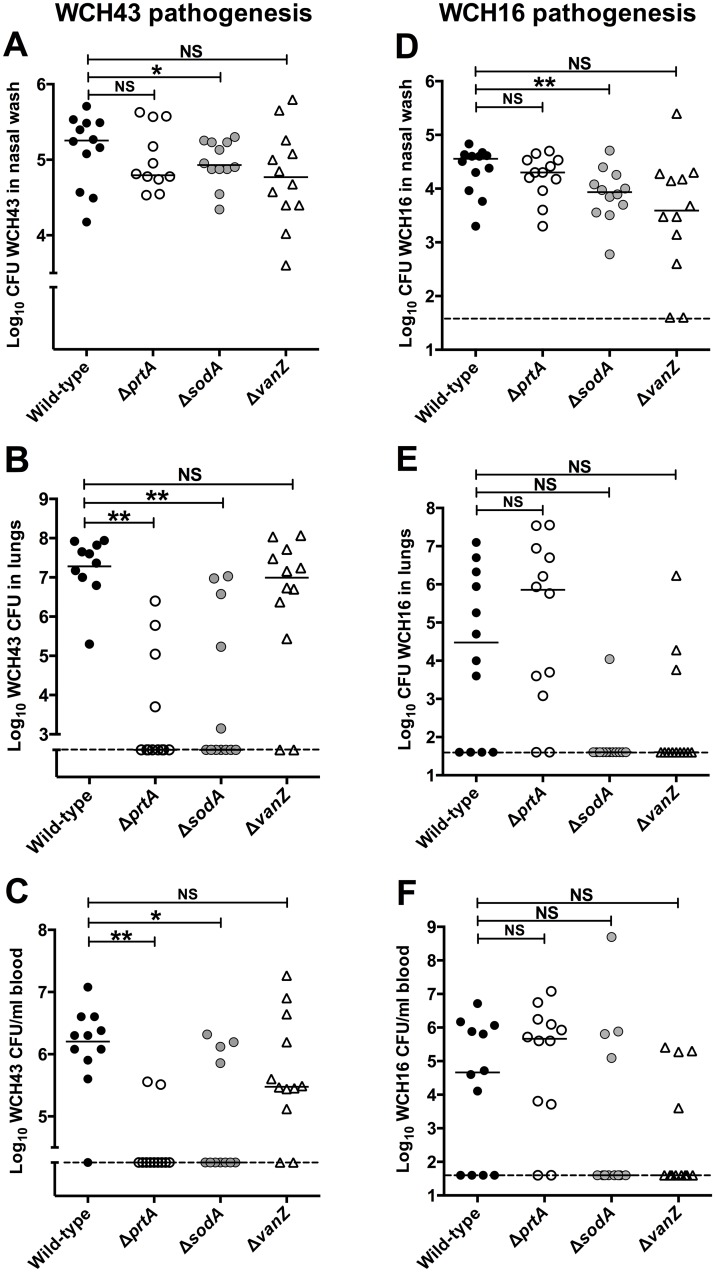
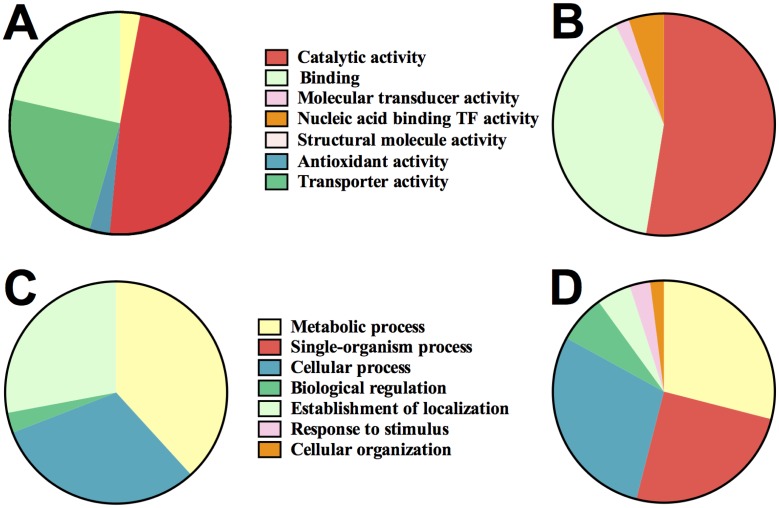
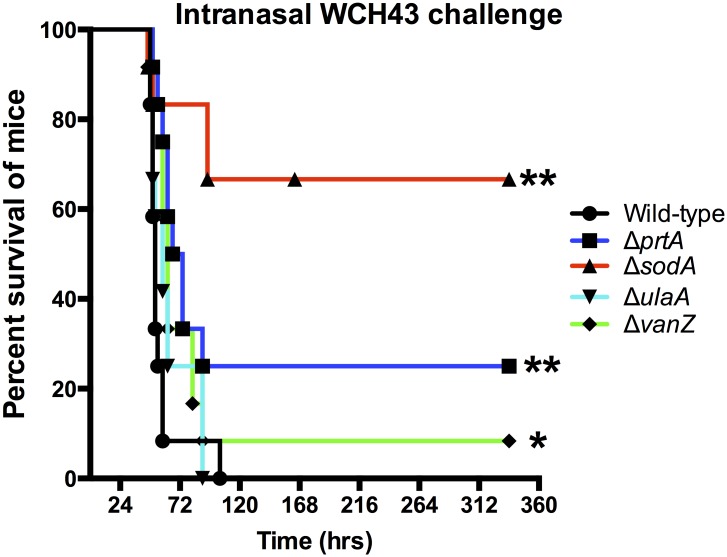
Streptococcus pneumoniae (the pneumococcus) continues to account for significant morbidity and mortality worldwide, causing life-threatening diseases such as pneumonia, bacteremia and meningitis, as well as less serious infections such as sinusitis, conjunctivitis and otitis media. Current polysaccharide vaccines are strictly serotype-specific and also drive the emergence of non-vaccine serotype strains. In this study, we used microarray analysis to compare gene expression patterns of either serotype 4 or serotype 6A pneumococci in the nasopharynx and blood of mice, as a model to identify genes involved in invasion of blood in the context of occult bacteremia in humans. In this manner, we identified 26 genes that were significantly up-regulated in the nasopharynx and 36 genes that were significantly up-regulated in the blood that were common to both strains. Gene Ontology classification revealed that transporter and DNA binding (transcription factor) activities constitute the significantly different molecular functional categories for genes up-regulated in the nasopharynx and blood. Targeted mutagenesis of selected genes from both niches and subsequent virulence and pathogenesis studies identified the manganese-dependent superoxide dismutase (SodA) as most likely to be essential for colonization, and the cell wall-associated serine protease (PrtA) as important for invasion of blood. This work extends our previous analyses and suggests that both PrtA and SodA warrant examination in future studies aimed at prevention and/or control of pneumococcal disease.
肺炎链球菌(肺炎球菌)在全球范围内仍然是导致大量发病和死亡的原因,可引发危及生命的疾病,如肺炎、菌血症和脑膜炎,以及不太严重的感染,如鼻窦炎、结膜炎和中耳炎。目前的多糖疫苗具有严格的血清型特异性,还会促使非疫苗血清型菌株的出现。在本研究中,我们使用微阵列分析来比较4型或6A型肺炎球菌在小鼠鼻咽部和血液中的基因表达模式,以此作为一种模型来识别在人类隐匿性菌血症情况下参与血液侵袭的基因。通过这种方式,我们鉴定出26个在鼻咽部显著上调的基因以及36个在血液中显著上调且两种菌株共有的基因。基因本体分类显示,转运蛋白和DNA结合(转录因子)活性构成了在鼻咽部和血液中上调基因显著不同的分子功能类别。对来自两个生态位的选定基因进行靶向诱变以及随后的毒力和发病机制研究确定,锰依赖性超氧化物歧化酶(SodA)最有可能对定植至关重要,而细胞壁相关丝氨酸蛋白酶(PrtA)对血液侵袭很重要。这项工作扩展了我们之前的分析,并表明PrtA和SodA在未来旨在预防和/或控制肺炎球菌疾病的研究中都值得研究。