Ritchie Neil D, Evans Tom J
Institute of Infection, Immunity and Inflammation, University of Glasgow, Glasgow Biomedical Research Centre, Glasgow, United Kingdom.
Institute of Infection, Immunity and Inflammation, University of Glasgow, Glasgow Biomedical Research Centre, Glasgow, United Kingdom
mSystems. 2019 Aug 13;4(4):e00216-19. doi: 10.1128/mSystems.00216-19.
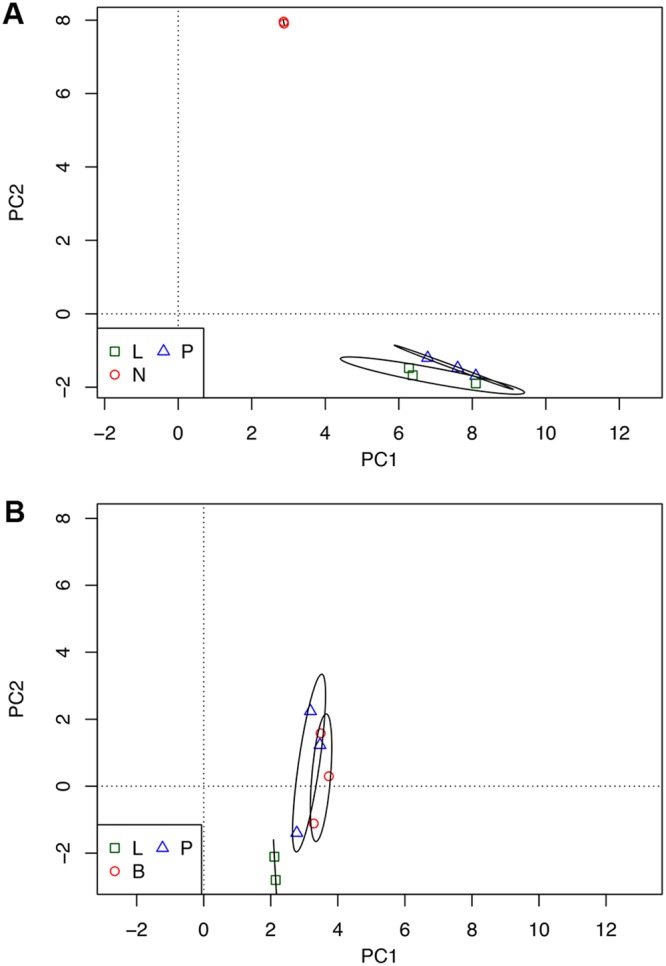
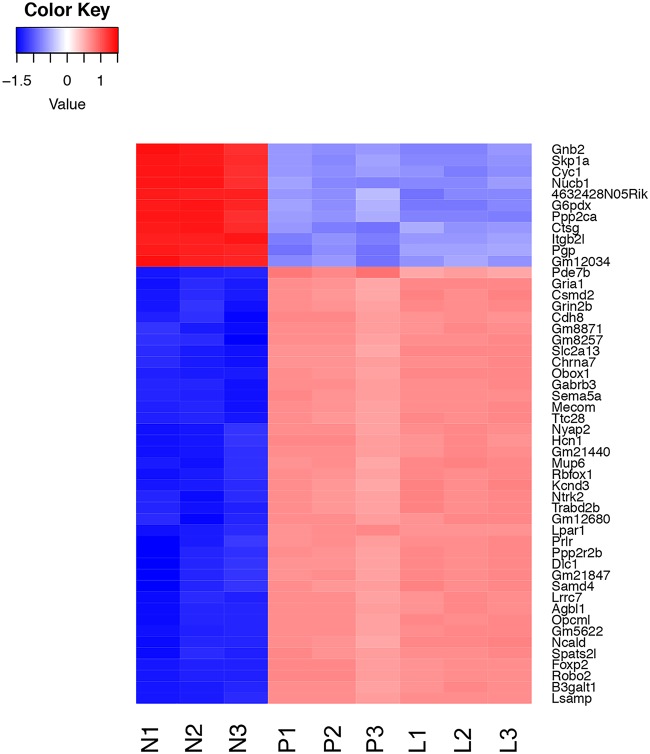
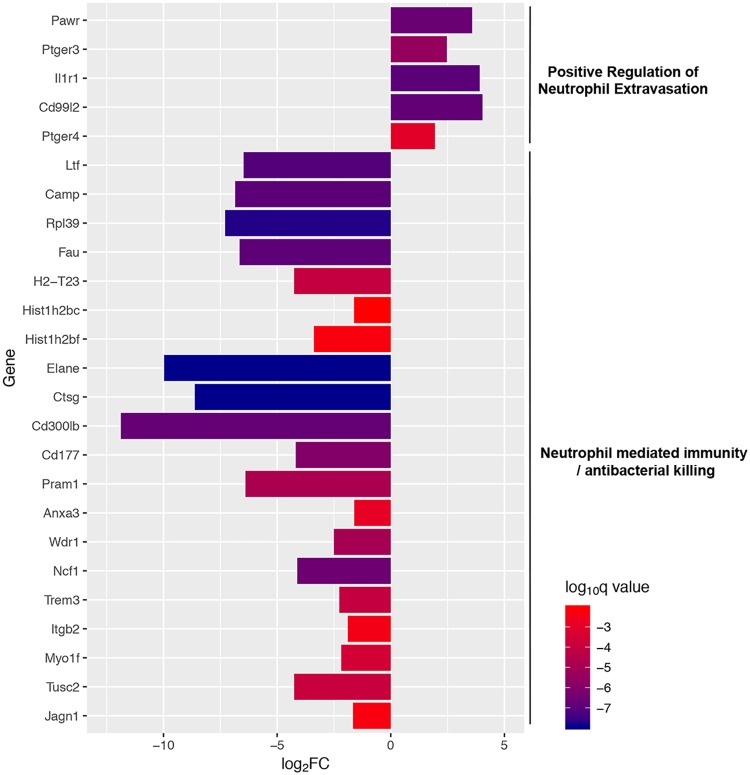
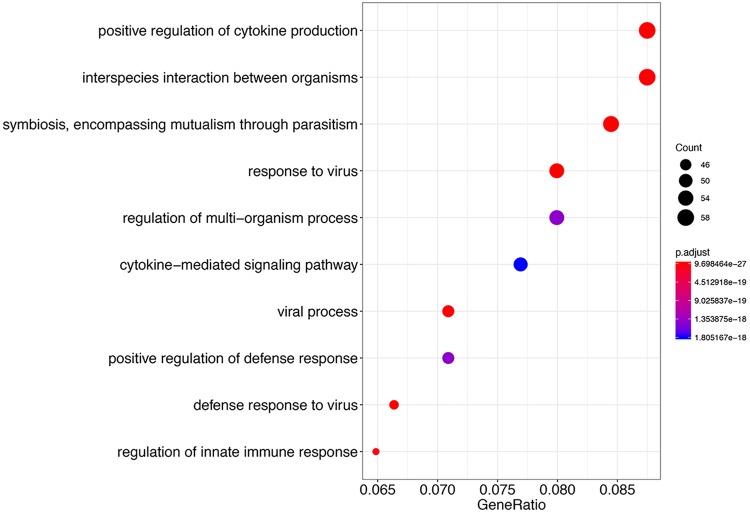
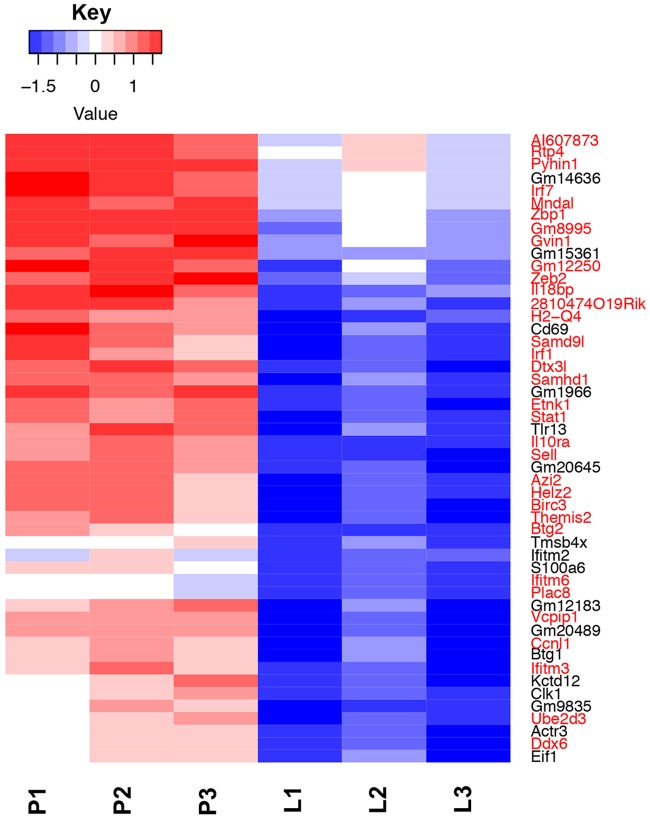
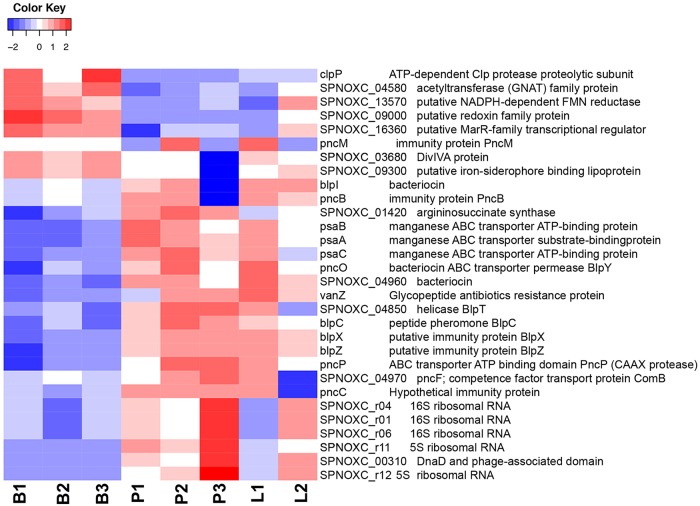
is the dominant cause of community-acquired pneumonia worldwide. Invasion of the pleural space is common and results in increased mortality. We set out to determine the bacterial and host factors that influence invasion of the pleural space. In a murine model of pneumococcal infection, we isolated neutrophil-dominated samples of bronchoalveolar and pleural fluid containing bacteria 48 hours after infection. Using dual RNA sequencing (RNA-seq), we characterized bacterial and host transcripts that were differentially regulated between these compartments and bacteria in broth and resting neutrophils, respectively. Pleural and lung samples showed upregulation of genes involved in the positive regulation of neutrophil extravasation but downregulation of genes mediating bacterial killing. Compared to the lung samples, cells within the pleural space showed marked upregulation of many genes induced by type I interferons, which are cytokines implicated in preventing bacterial transmigration across epithelial barriers. Differences in the bacterial transcripts between the infected samples and bacteria grown in broth showed the upregulation of genes in the bacteriocin locus, the pneumococcal surface adhesin PsaA, and the glycopeptide resistance gene the gene encoding the ClpP protease was downregulated in infection. One hundred sixty-nine intergenic putative small bacterial RNAs were also identified, of which 43 (25.4%) small RNAs had been previously described. Forty-two of the small RNAs were upregulated in pleura compared to broth, including many previously identified as being important in virulence. Our results have identified key host and bacterial responses to invasion of the pleural space that can be potentially exploited to develop alternative antimicrobial strategies for the prevention and treatment of pneumococcal pleural disease. The factors that regulate the passage of bacteria between different anatomical compartments are unclear. We have used an experimental model of infection with to examine the host and bacterial factors involved in the passage of bacteria from the lung to the pleural space. The transcriptional profile of host and bacterial cells within the pleural space and lung was analyzed using deep sequencing of the entire transcriptome using the technique of dual RNA-seq. We found significant differences in the host and bacterial RNA profiles in infection, which shed light on the key factors that allow passage of this bacterium into the pleural space.
是全球社区获得性肺炎的主要病因。胸膜腔侵袭很常见,并导致死亡率增加。我们着手确定影响胸膜腔侵袭的细菌和宿主因素。在肺炎球菌感染的小鼠模型中,我们在感染后48小时分离出以中性粒细胞为主的支气管肺泡和胸膜液样本,其中含有细菌。使用双RNA测序(RNA-seq),我们分别对这些隔室与肉汤中的细菌以及静息中性粒细胞中的细菌之间差异调节的细菌和宿主转录本进行了表征。胸膜和肺样本显示参与中性粒细胞外渗正调控的基因上调,但介导细菌杀伤的基因下调。与肺样本相比,胸膜腔内的细胞显示出许多由I型干扰素诱导的基因显著上调,I型干扰素是一种与防止细菌跨上皮屏障迁移有关的细胞因子。感染样本与肉汤中生长的细菌之间的细菌转录本差异显示细菌素基因座中的基因上调、肺炎球菌表面粘附素PsaA以及糖肽抗性基因 编码ClpP蛋白酶的基因在感染中下调。还鉴定出169个基因间假定的小细菌RNA,其中43个(25.4%)小RNA先前已有描述。与肉汤相比,42个小RNA在胸膜中上调,包括许多先前被确定在毒力方面很重要的小RNA。我们的结果确定了宿主和细菌对胸膜腔侵袭的关键反应,这些反应有可能被利用来开发预防和治疗肺炎球菌胸膜疾病的替代抗菌策略。调节细菌在不同解剖隔室之间通过的因素尚不清楚。我们使用感染 的实验模型来研究参与细菌从肺到胸膜腔通过的宿主和细菌因素。使用双RNA-seq技术对整个转录组进行深度测序,分析胸膜腔和肺内宿主和细菌细胞的转录谱。我们发现在感染中宿主和细菌RNA谱存在显著差异,这揭示了允许这种细菌进入胸膜腔的关键因素。