Potamitis Ilyas, Rigakis Iraklis, Fysarakis Konstantinos
Department of Music Technology & Acoustics, Technological Educational Institute of Crete, E. Daskalaki Perivolia, 74100, Rethymno Crete, Greece.
Department of Electronics, Technological Educational Institute of Crete, Romanou 3 -Chalepa, Chania, 73133, Greece.
PLoS One. 2015 Nov 6;10(11):e0140474. doi: 10.1371/journal.pone.0140474. eCollection 2015.
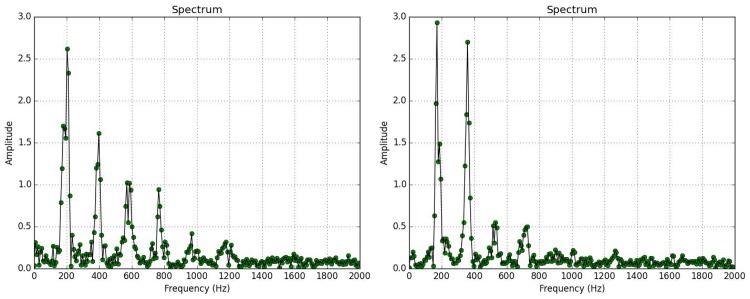
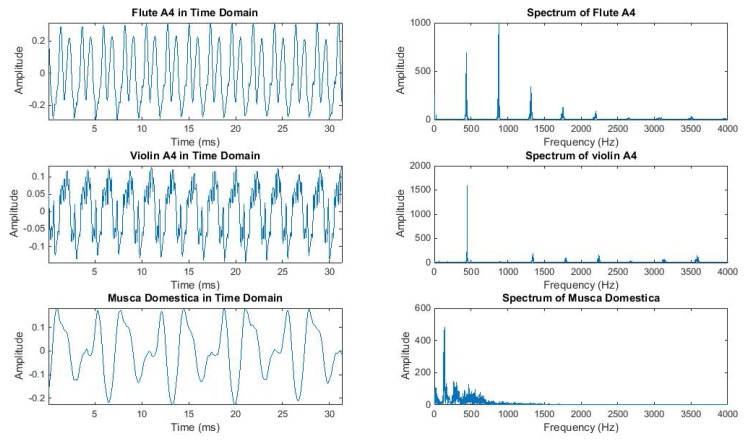
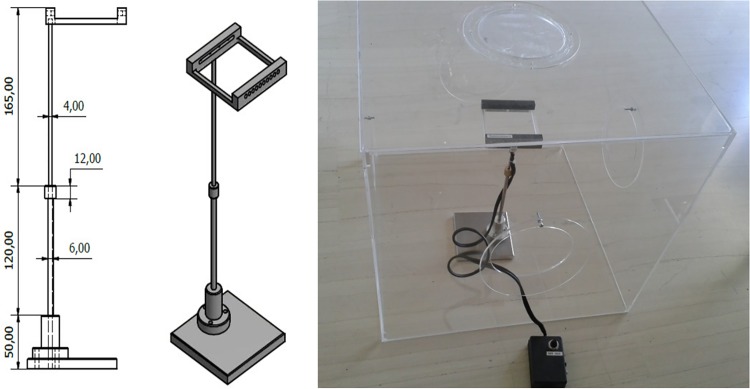
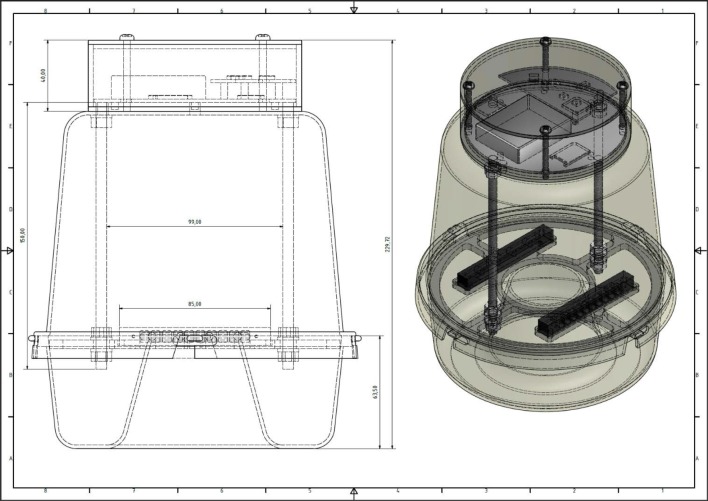
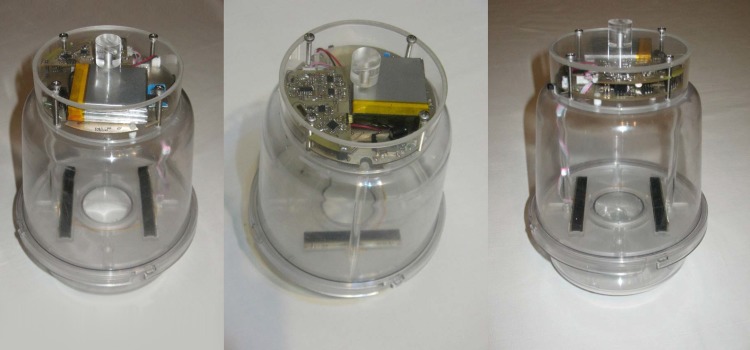
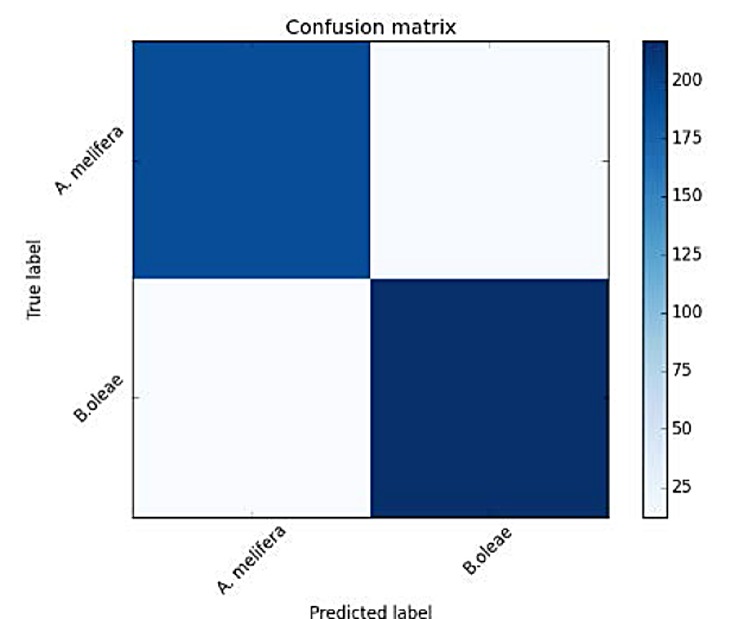
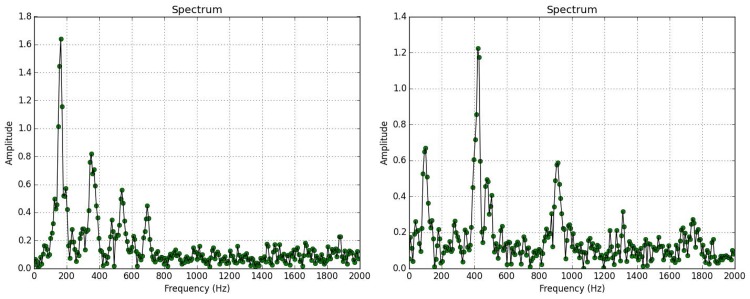
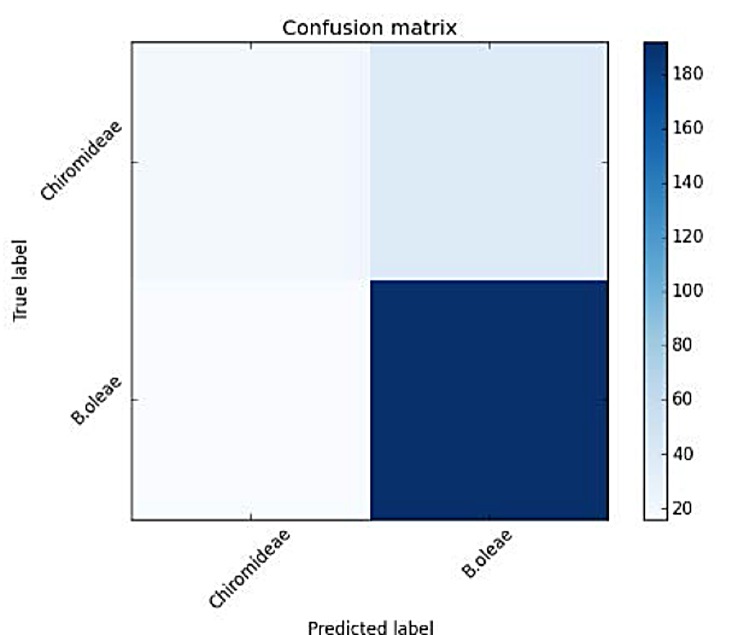
Monitoring traps are important components of integrated pest management applied against important fruit fly pests, including Bactrocera oleae (Gmelin) and Ceratitis capitata (Widemann), Diptera of the Tephritidae family, which effect a crop-loss/per year calculated in billions of euros worldwide. Pests can be controlled with ground pesticide sprays, the efficiency of which depends on knowing the time, location and extent of infestations as early as possible. Trap inspection is currently carried out manually, using the McPhail trap, and the mass spraying is decided based on a decision protocol. We introduce the term 'insect biometrics' in the context of entomology as a measure of a characteristic of the insect (in our case, the spectrum of its wingbeat) that allows us to identify its species and make devices to help face old enemies with modern means. We modify a McPhail type trap into becoming electronic by installing an array of photoreceptors coupled to an infrared emitter, guarding the entrance of the trap. The beating wings of insects flying in the trap intercept the light and the light fluctuation is turned to a recording. Custom-made electronics are developed that are placed as an external add-on kit, without altering the internal space of the trap. Counts from the trap are transmitted using a mobile communication network. This trap introduces a new automated remote-monitoring method different to audio and vision-based systems. We evaluate our trap in large number of insects in the laboratory by enclosing the electronic trap in insectary cages. Our experiments assess the potential of delivering reliable data that can be used to initialize reliably the spraying process at large scales but to also monitor the impact of the spraying process as it eliminates the time-lag between acquiring and delivering insect counts to a central agency.
监测诱捕器是综合虫害管理的重要组成部分,用于防治重要的果蝇害虫,包括油橄榄实蝇(Bactrocera oleae (Gmelin))和地中海实蝇(Ceratitis capitata (Widemann)),它们属于实蝇科双翅目昆虫,在全球范围内每年造成的农作物损失达数十亿欧元。害虫可以通过地面喷洒农药来控制,其效果取决于尽早了解虫害发生的时间、地点和范围。目前,诱捕器检查是使用麦氏诱捕器手动进行的,大规模喷洒农药则根据决策协议来决定。我们在昆虫学领域引入了“昆虫生物特征识别”这一术语,作为衡量昆虫某一特征(在我们的案例中是其振翅频谱)的一种方法,这使我们能够识别昆虫种类,并制造出借助现代手段应对这些老对手的设备。我们通过在诱捕器入口处安装一排与红外发射器相连的光感受器,将麦氏型诱捕器改装成电子诱捕器。在诱捕器中飞行的昆虫的振翅会拦截光线,光线的波动会被转化为记录。我们开发了定制的电子设备,将其作为外部附加套件放置,而不改变诱捕器的内部空间。诱捕器的计数通过移动通信网络进行传输。这种诱捕器引入了一种不同于基于音频和视觉系统的新型自动远程监测方法。我们在实验室中将电子诱捕器放置在昆虫饲养笼中,对大量昆虫进行测试。我们的实验评估了提供可靠数据的潜力,这些数据可用于可靠地启动大规模喷洒过程,还能监测喷洒过程的影响,因为它消除了获取昆虫计数并将其传递给中央机构之间的时间延迟。