Min Hong Ki, Kim Sung-Min, Baek Seung-Ye, Woo Jung-Won, Park Jin-Sil, Cho Mi-La, Lee Jennifer, Kwok Seung-Ki, Kim Sae Woong, Park Sung-Hwan
Rheumatism Research Center, Catholic Research Institute of Medical Science, The Catholic University of Korea, Seoul, South Korea.
Division of Rheumatology, Department of Internal Medicine, School of Medicine, The Catholic University of Korea, Seoul, South Korea.
PLoS One. 2015 Nov 6;10(11):e0138201. doi: 10.1371/journal.pone.0138201. eCollection 2015.
Oxidative stress plays a role in the pathogenesis of rheumatoid arthritis (RA). Anthocyanin is a plant antioxidant. We investigated the therapeutic effects of anthocyanin extracted from black soybean seed coats (AEBS) in a murine model of collagen-induced arthritis (CIA) and human peripheral blood mononuclear cells (PBMCs) and explored possible mechanisms by which AEBS might exert anti-arthritic effects.
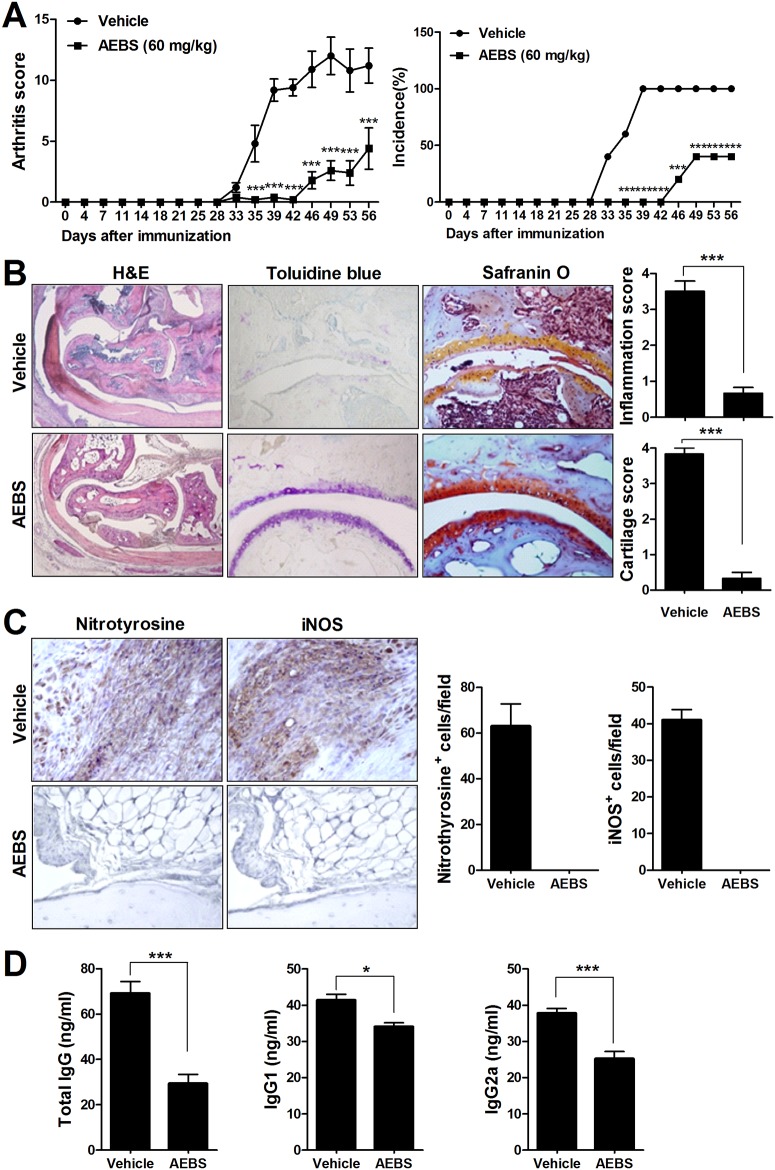
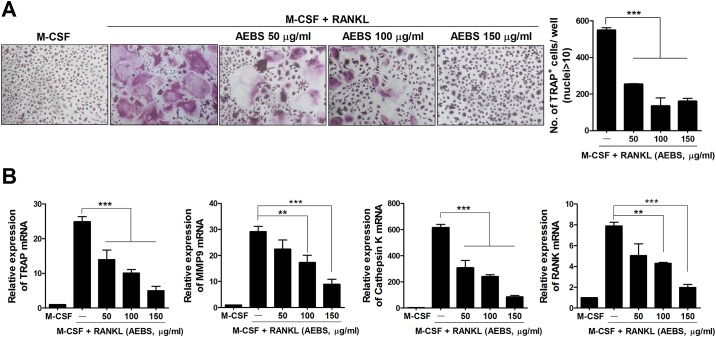
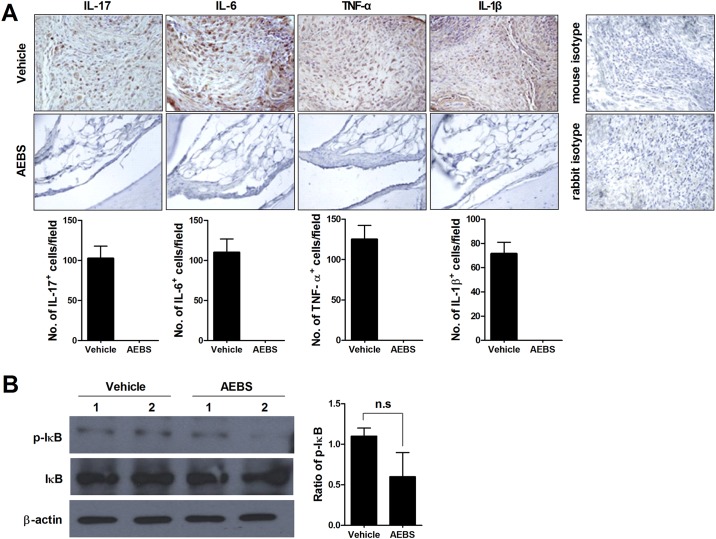
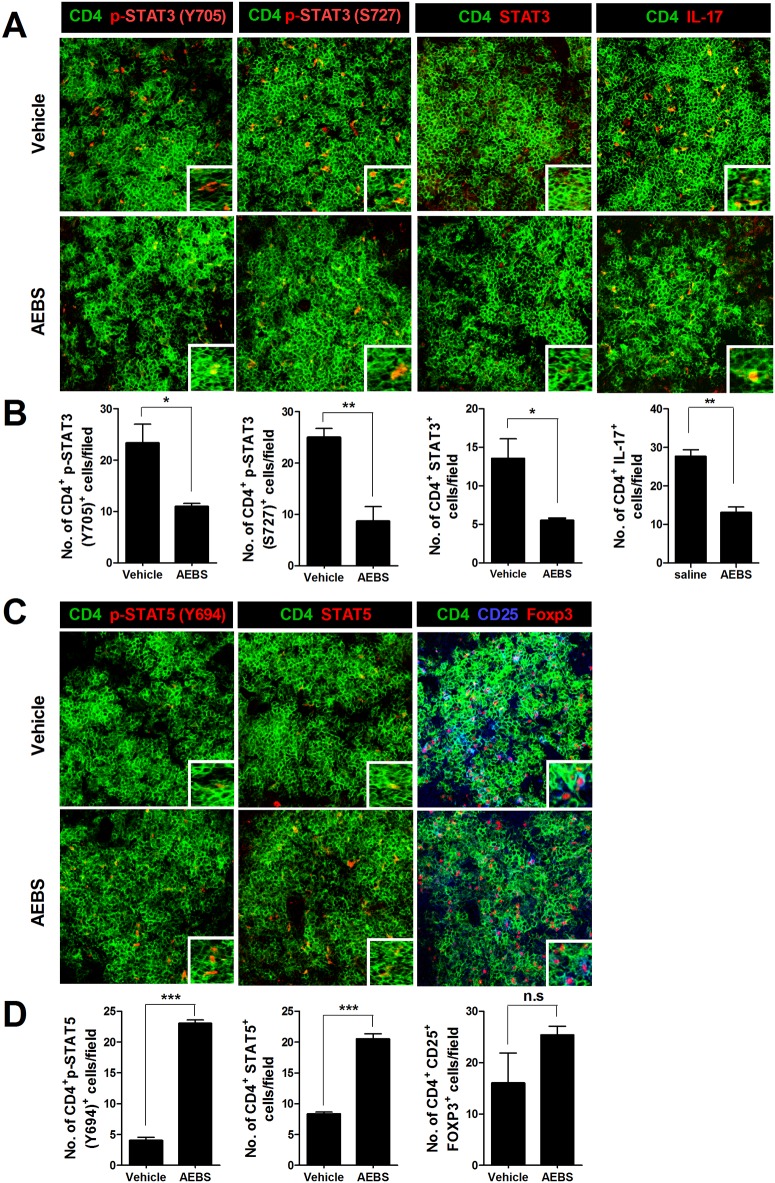
CIA was induced in DBA/1J mice. Cytokine levels were measured via enzyme-linked immunosorbent assays. Joints were assessed in terms of arthritis incidence, clinical arthritis scores, and histological features. The extent of oxidative stress in affected joints was determined by measuring the levels of nitrotyrosine and inducible nitric oxide synthase. NF-κB activity was assayed by measuring the ratio of phosphorylated IκB to total IκB via Western blotting. Th17 cells were stained with antibodies against CD4, IL-17, and STAT3. Osteoclast formation was assessed via TRAP staining and measurement of osteoclast-specific mRNA levels.
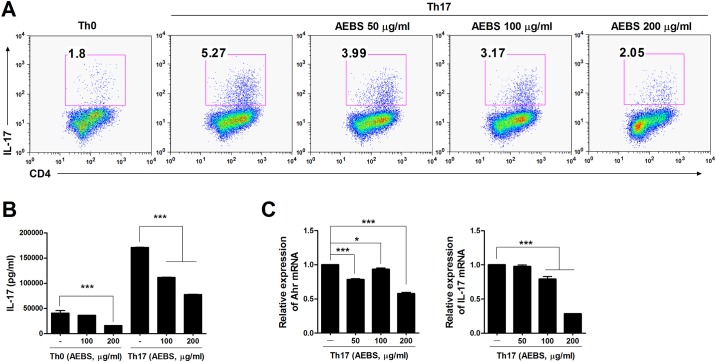
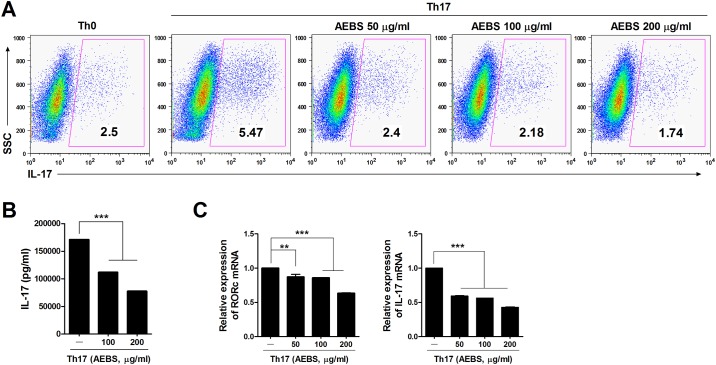
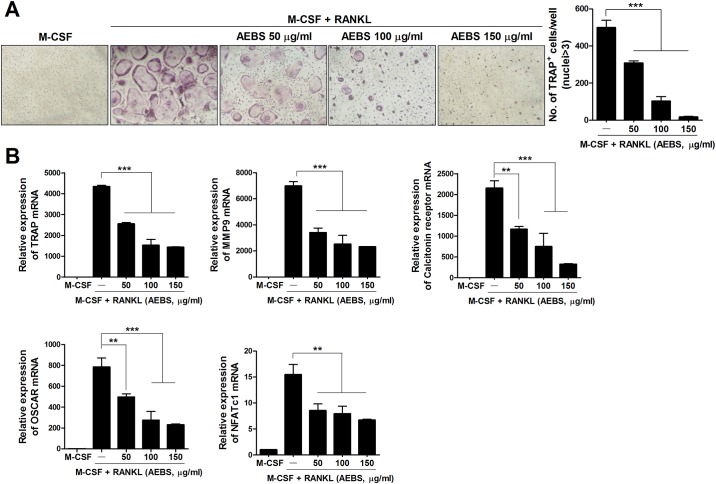
In the CIA model, AEBS decreased the incidence of arthritis, histological inflammation, cartilage scores, and oxidative stress. AEBS reduced the levels of proinflammatory cytokines in affected joints of CIA mice and suppressed NF-κB signaling. AEBS decreased Th17 cell numbers in spleen of CIA mice. Additionally, AEBS repressed differentiation of Th17 cells and expression of Th17-associated genes in vitro, in both splenocytes of naïve DBA/1J mice and human PBMCs. In vitro, the numbers of both human and mouse tartrate-resistant acid phosphatase+ (TRAP) multinucleated cells fell, in a dose-dependent manner, upon addition of AEBS.
The anti-arthritic effects of AEBS were associated with decreases in Th17 cell numbers, and the levels of proinflammatory cytokines synthesized by such cells, mediated via suppression of NF-κB signaling. Additionally, AEBS suppressed osteoclastogenesis and reduced oxidative stress levels.
氧化应激在类风湿关节炎(RA)的发病机制中起作用。花青素是一种植物抗氧化剂。我们研究了从黑豆种皮中提取的花青素(AEBS)在胶原诱导性关节炎(CIA)小鼠模型和人外周血单个核细胞(PBMCs)中的治疗效果,并探讨了AEBS发挥抗关节炎作用的可能机制。
在DBA/1J小鼠中诱导CIA。通过酶联免疫吸附测定法测量细胞因子水平。根据关节炎发病率、临床关节炎评分和组织学特征对关节进行评估。通过测量硝基酪氨酸和诱导型一氧化氮合酶的水平来确定受影响关节中的氧化应激程度。通过蛋白质印迹法测量磷酸化IκB与总IκB的比率来测定NF-κB活性。用抗CD4、IL-17和STAT3的抗体对Th17细胞进行染色。通过抗酒石酸酸性磷酸酶(TRAP)染色和测量破骨细胞特异性mRNA水平来评估破骨细胞形成。
在CIA模型中,AEBS降低了关节炎的发病率、组织学炎症、软骨评分和氧化应激。AEBS降低了CIA小鼠受影响关节中促炎细胞因子的水平,并抑制了NF-κB信号传导。AEBS减少了CIA小鼠脾脏中Th17细胞的数量。此外,AEBS在体外抑制了幼稚DBA/1J小鼠脾细胞和人PBMCs中Th17细胞的分化以及Th17相关基因的表达。在体外,加入AEBS后,人和小鼠抗酒石酸酸性磷酸酶阳性(TRAP)多核细胞的数量均呈剂量依赖性下降。
AEBS的抗关节炎作用与Th17细胞数量的减少以及此类细胞合成的促炎细胞因子水平的降低有关,这是通过抑制NF-κB信号传导介导的。此外,AEBS抑制破骨细胞生成并降低氧化应激水平。