Kaushik Nagendra Kumar, Kaushik Neha, Pardeshi Sunil, Sharma Jai Gopal, Lee Seung Hyun, Choi Eun Ha
Plasma Bioscience Research Center, Kwangwoon University, Seoul 139701, Korea.
Department of Biotechnology, Delhi Technological University, Delhi 110042, India.
Mar Drugs. 2015 Nov 11;13(11):6792-817. doi: 10.3390/md13116792.
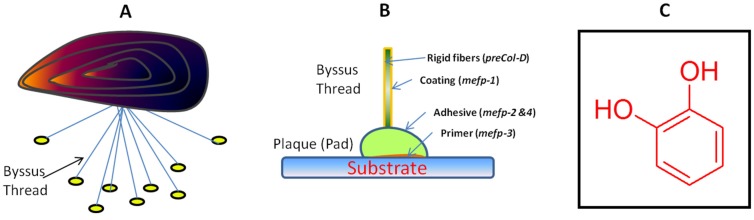
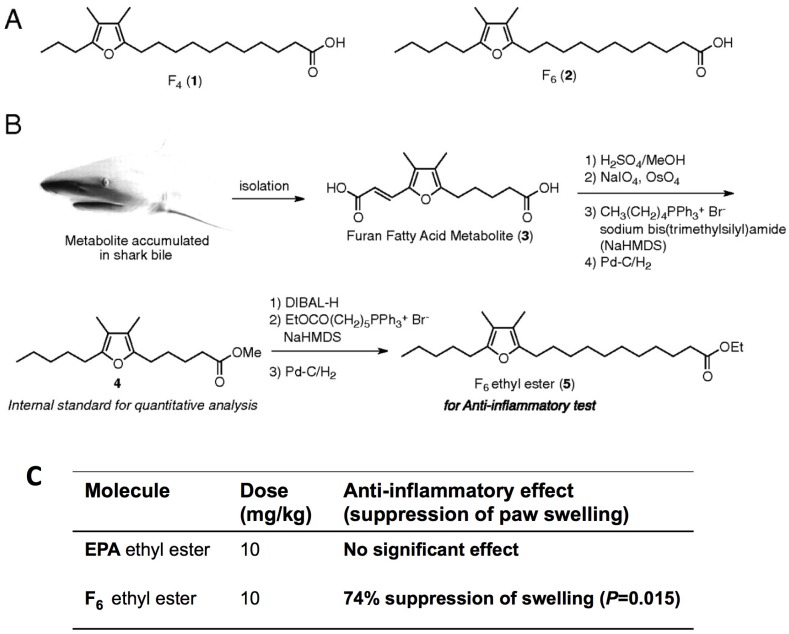
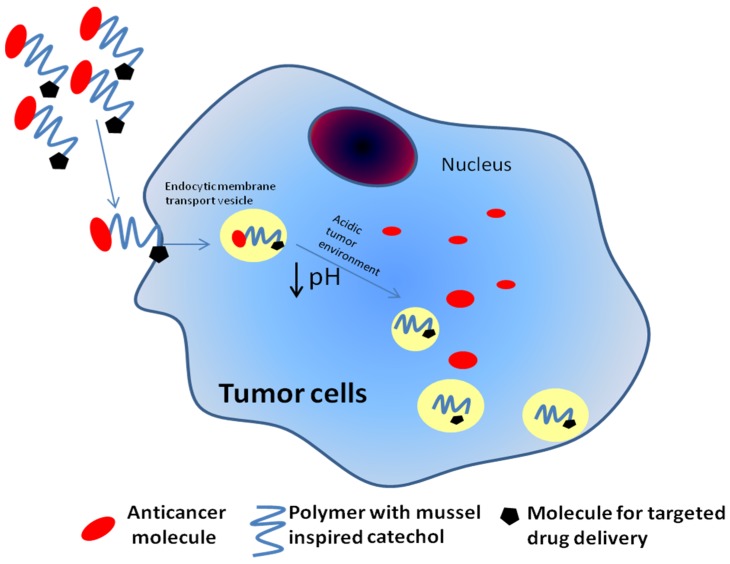
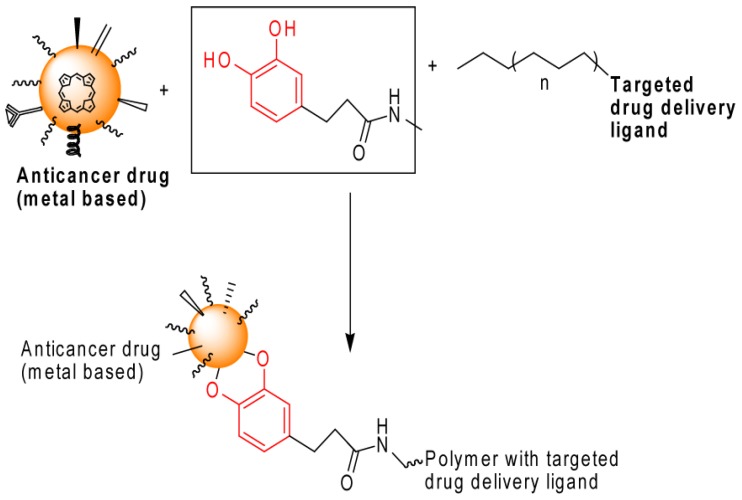
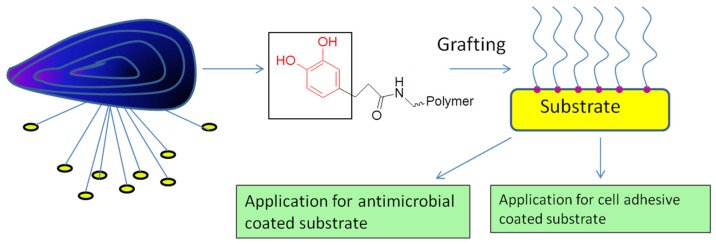
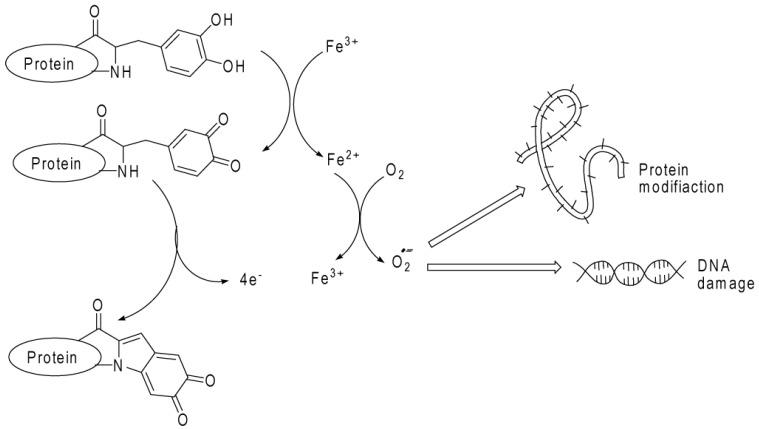
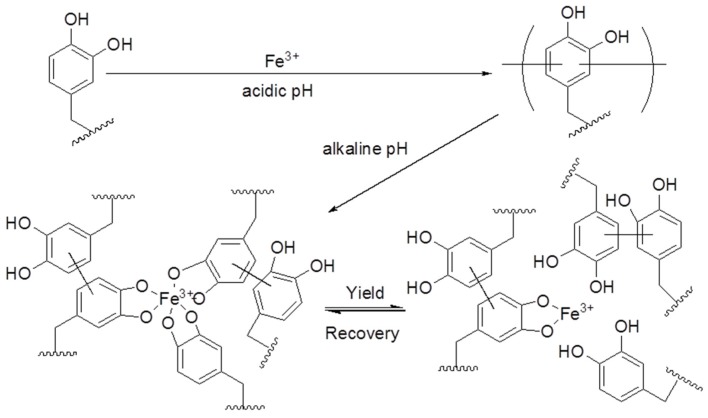
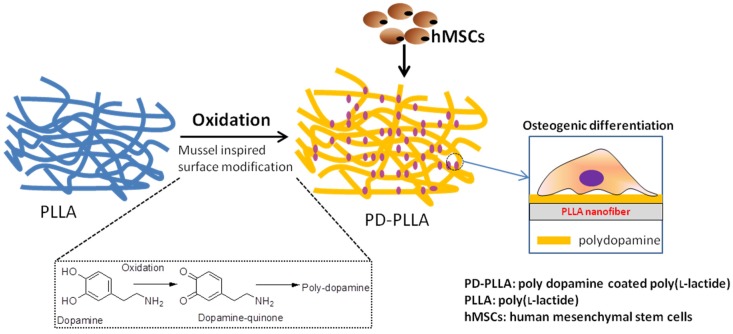
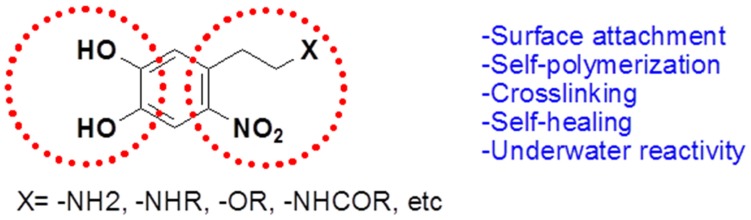
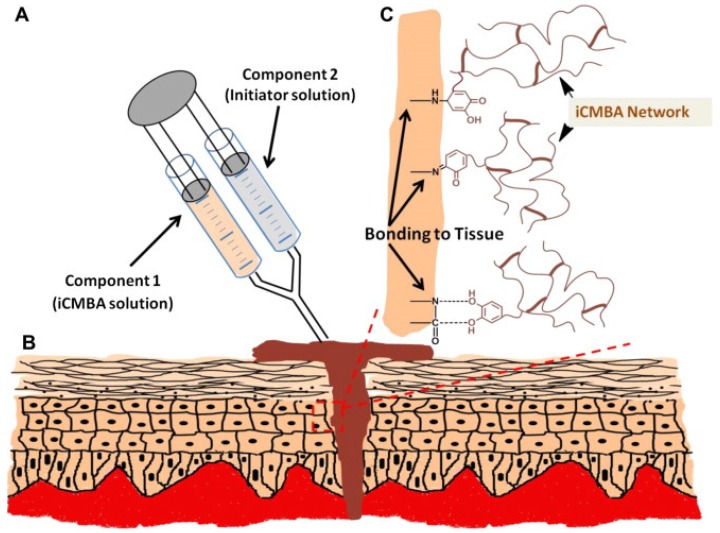
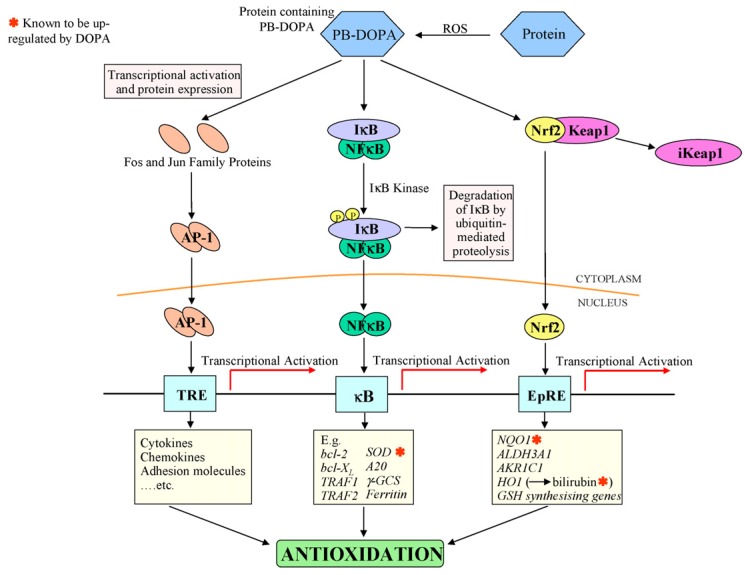
The substance secreted by mussels, also known as nature's glue, is a type of liquid protein that hardens rapidly into a solid water-resistant adhesive material. While in seawater or saline conditions, mussels can adhere to all types of surfaces, sustaining its bonds via mussel adhesive proteins (MAPs), a group of proteins containing 3,4-dihydroxyphenylalanine (DOPA) and catecholic amino acid. Several aspects of this adhesion process have inspired the development of various types of synthetic materials for biomedical applications. Further, there is an urgent need to utilize biologically inspired strategies to develop new biocompatible materials for medical applications. Consequently, many researchers have recently reported bio-inspired techniques and materials that show results similar to or better than those shown by MAPs for a range of medical applications. However, the susceptibility to oxidation of 3,4-dihydroxyphenylalanine poses major challenges with regard to the practical translation of mussel adhesion. In this review, various strategies are discussed to provide an option for DOPA/metal ion chelation and to compensate for the limitations imposed by facile 3,4-dihydroxyphenylalanine autoxidation. We discuss the anti-proliferative, anti-inflammatory, anti-microbial activity, and adhesive behaviors of mussel bio-products and mussel-inspired materials (MIMs) that make them attractive for synthetic adaptation. The development of biologically inspired adhesive interfaces, bioactive mussel products, MIMs, and arising areas of research leading to biomedical applications are considered in this review.
贻贝分泌的物质,也被称为天然胶水,是一种液体蛋白质,能迅速硬化成一种固态的防水粘合材料。在海水或含盐环境中,贻贝能够附着在所有类型的表面上,通过贻贝粘附蛋白(MAPs)维持其粘附,MAPs是一组含有3,4-二羟基苯丙氨酸(DOPA)和儿茶酚氨基酸的蛋白质。这种粘附过程的几个方面启发了用于生物医学应用的各种合成材料的开发。此外,迫切需要利用受生物启发的策略来开发用于医疗应用的新型生物相容性材料。因此,许多研究人员最近报告了受生物启发的技术和材料,这些技术和材料在一系列医疗应用中显示出与MAPs相似或更好的效果。然而,3,4-二羟基苯丙氨酸的氧化敏感性给贻贝粘附的实际转化带来了重大挑战。在这篇综述中,讨论了各种策略,以提供DOPA/金属离子螯合的选择,并弥补3,4-二羟基苯丙氨酸易自氧化所带来的局限性。我们讨论了贻贝生物产品和贻贝启发材料(MIMs)的抗增殖、抗炎、抗菌活性以及粘附行为,这些特性使其对合成适配具有吸引力。本综述考虑了受生物启发的粘附界面、生物活性贻贝产品、MIMs的发展以及导致生物医学应用的新兴研究领域。