Al-Mahfoudh Rafid, Chan Yuen, Chong Hsu Pheen, Farah Jibril Osman
The Walton Centre for Neurology & Neurosurgery, Lower Lane, Liverpool, L9 7LJ, UK.
South East Neurosurgery and Spinal Surgery, Brighton and Sussex University Hospitals NHS Trust, Brighton, UK.
Acta Neurochir (Wien). 2016 Jan;158(1):147-54. doi: 10.1007/s00701-015-2627-x. Epub 2015 Nov 17.
The aims are to present a case series of Twiddler's syndrome in spinal cord stimulators with analysis of the possible mechanism of this syndrome and discuss how this phenomenon can be prevented.
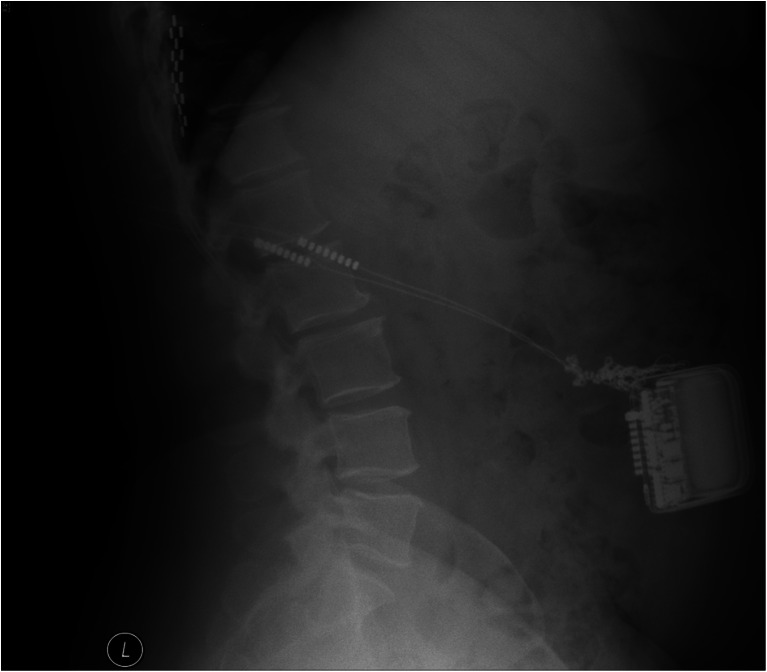
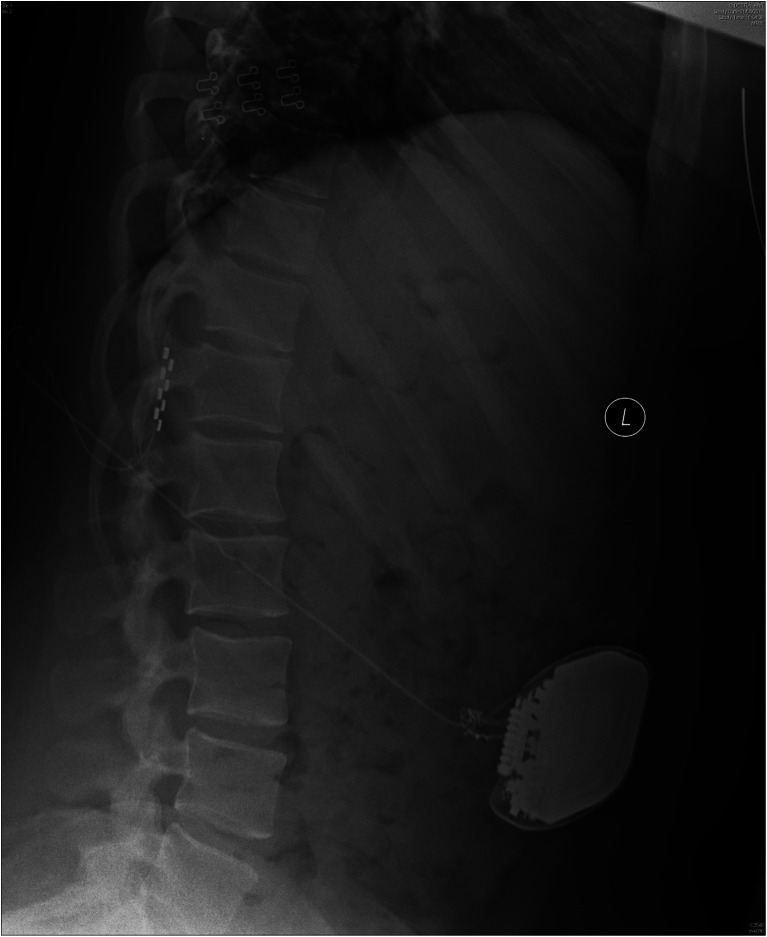
Data were collected retrospectively between 2007 and 2013 for all patients presenting with failure of spinal cord stimulators. The diagnostic criterion for Twiddler's syndrome is radiological evidence of twisting of wires in the presence of failure of spinal cord stimulation.
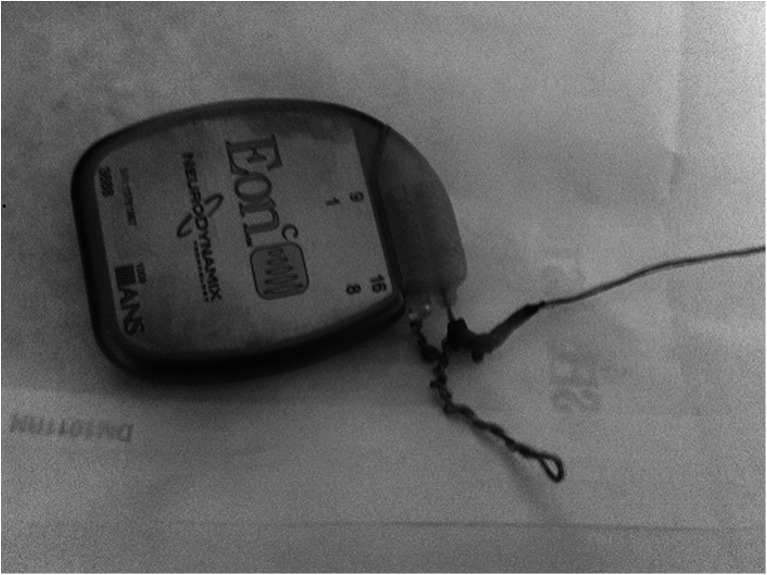
Our unit implants on average 110 spinal cord stimulators a year. Over the 5-year study period, all consecutive cases of spinal cord stimulation failure were studied. Three patients with Twiddler's syndrome were identified. Presentation ranged from 4 to 228 weeks after implantation. Imaging revealed repeated rotations and twisting of the wires of the spinal cord stimulators leading to hardware failure.
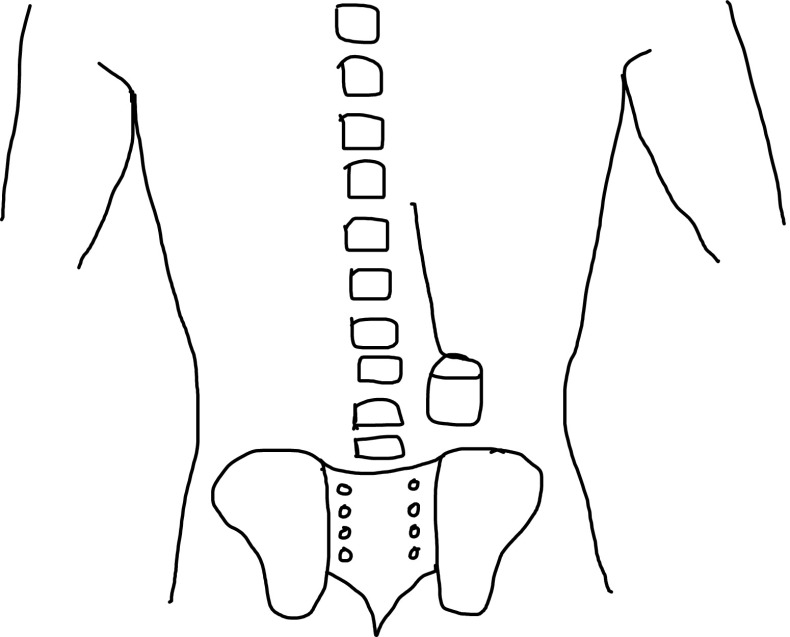
To the best of our knowledge this is the first reported series of Twiddler's syndrome with implantable pulse generators (IPGs) for spinal cord stimulation. Hardware failure is not uncommon in spinal cord stimulation. Awareness and identification of Twiddler's syndrome may help prevent its occurrence and further revisions. This may be achieved by implanting the IPG in the lumbar region subcutaneously above the belt line. Psychological intervention may have a preventative role for those who are deemed at high risk of Twiddler's syndrome from initial psychological screening.
目的是展示一系列脊髓刺激器中的“摆弄者综合征”病例,并分析该综合征可能的机制,同时讨论如何预防这种现象。
回顾性收集2007年至2013年期间所有脊髓刺激器出现故障的患者的数据。“摆弄者综合征”的诊断标准是在脊髓刺激失败的情况下,影像学显示导线发生扭曲。
我们科室每年平均植入110个脊髓刺激器。在5年的研究期间,对所有连续的脊髓刺激失败病例进行了研究。确定了3例“摆弄者综合征”患者。发病时间为植入后4至228周。影像学显示脊髓刺激器的导线反复旋转和扭曲,导致硬件故障。
据我们所知,这是首次报道的一系列使用植入式脉冲发生器(IPG)进行脊髓刺激的“摆弄者综合征”病例。硬件故障在脊髓刺激中并不罕见。认识和识别“摆弄者综合征”可能有助于预防其发生和进一步的翻修手术。这可以通过将IPG皮下植入腰带线以上的腰部区域来实现。对于那些从初始心理筛查中被认为有“摆弄者综合征”高风险的人,心理干预可能具有预防作用。