Orchard Garrick, Jayawant Ajinkya, Cohen Gregory K, Thakor Nitish
Singapore Institute for Neurotechnology (SINAPSE), National University of Singapore Singapore, Singapore ; Temasek Labs, National University of Singapore Singapore, Singapore.
Department of Electrical Engineering, Indian Institute of Technology Bombay Mumbai, India.
Front Neurosci. 2015 Nov 16;9:437. doi: 10.3389/fnins.2015.00437. eCollection 2015.
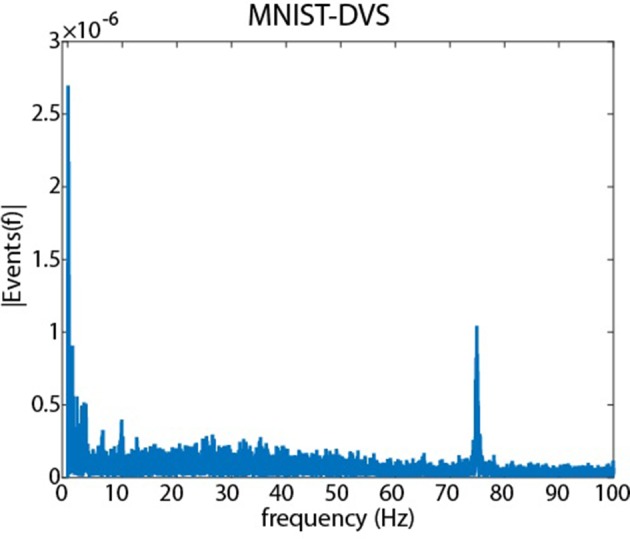
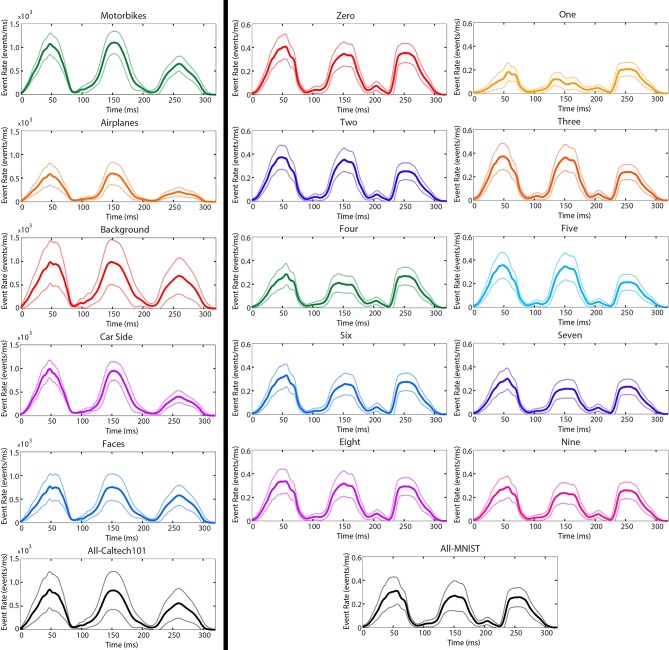
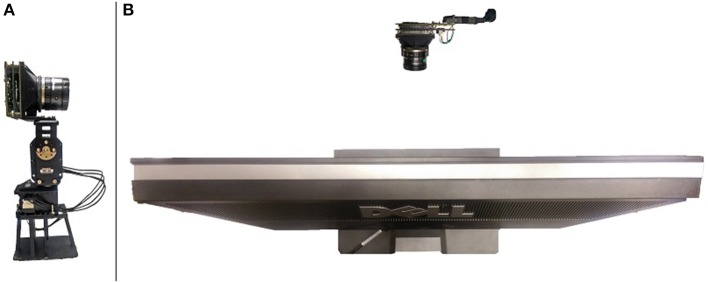
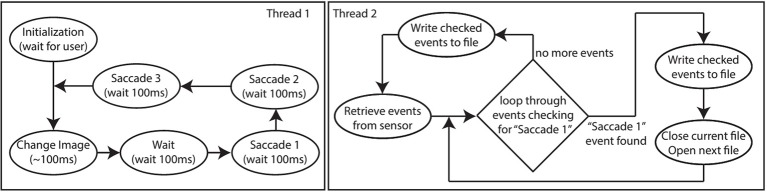
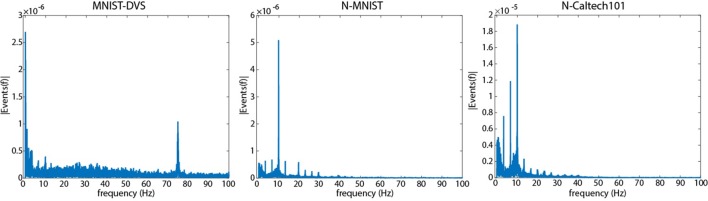
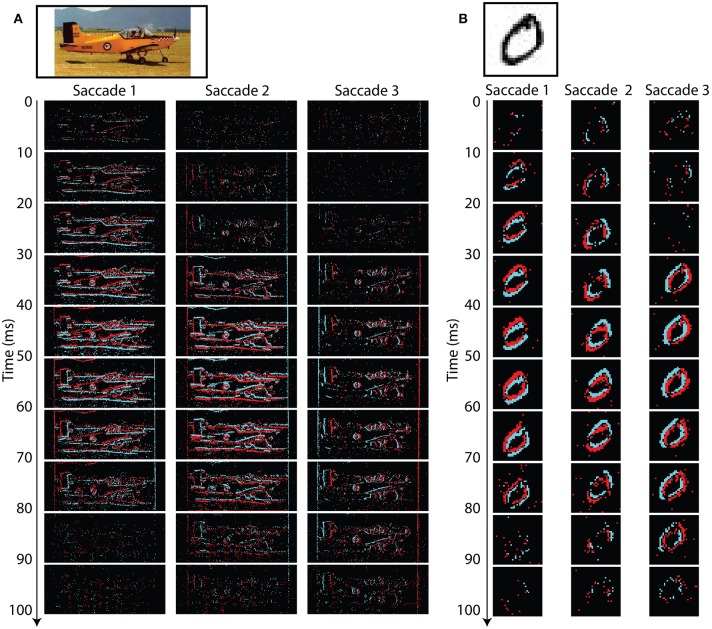
Creating datasets for Neuromorphic Vision is a challenging task. A lack of available recordings from Neuromorphic Vision sensors means that data must typically be recorded specifically for dataset creation rather than collecting and labeling existing data. The task is further complicated by a desire to simultaneously provide traditional frame-based recordings to allow for direct comparison with traditional Computer Vision algorithms. Here we propose a method for converting existing Computer Vision static image datasets into Neuromorphic Vision datasets using an actuated pan-tilt camera platform. Moving the sensor rather than the scene or image is a more biologically realistic approach to sensing and eliminates timing artifacts introduced by monitor updates when simulating motion on a computer monitor. We present conversion of two popular image datasets (MNIST and Caltech101) which have played important roles in the development of Computer Vision, and we provide performance metrics on these datasets using spike-based recognition algorithms. This work contributes datasets for future use in the field, as well as results from spike-based algorithms against which future works can compare. Furthermore, by converting datasets already popular in Computer Vision, we enable more direct comparison with frame-based approaches.
为神经形态视觉创建数据集是一项具有挑战性的任务。由于缺乏来自神经形态视觉传感器的可用记录,这意味着通常必须专门为数据集创建而进行数据记录,而不是收集和标记现有数据。同时提供传统的基于帧的记录以允许与传统计算机视觉算法进行直接比较的需求,使这项任务更加复杂。在此,我们提出一种方法,使用一个驱动的云台相机平台将现有的计算机视觉静态图像数据集转换为神经形态视觉数据集。移动传感器而非场景或图像是一种更符合生物学现实的传感方法,并且在计算机显示器上模拟运动时消除了由显示器更新引入的定时伪影。我们展示了两个在计算机视觉发展中发挥重要作用的流行图像数据集(MNIST和Caltech101)的转换,并使用基于脉冲的识别算法在这些数据集上提供性能指标。这项工作为该领域的未来使用贡献了数据集,以及基于脉冲的算法的结果,未来的工作可以与之进行比较。此外,通过转换在计算机视觉中已经流行的数据集,我们能够与基于帧的方法进行更直接的比较。