Häkkinen Suvi T, Seppänen-Laakso Tuulikki, Oksman-Caldentey Kirsi-Marja, Rischer Heiko
VTT Technical Research Centre of Finland Ltd. Espoo, Finland.
Front Plant Sci. 2015 Nov 24;6:1035. doi: 10.3389/fpls.2015.01035. eCollection 2015.
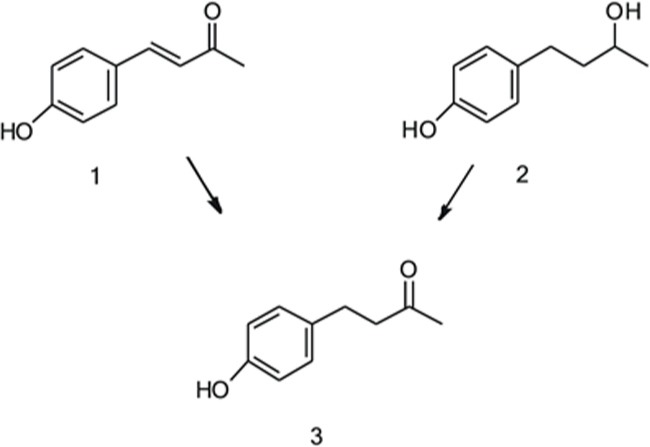
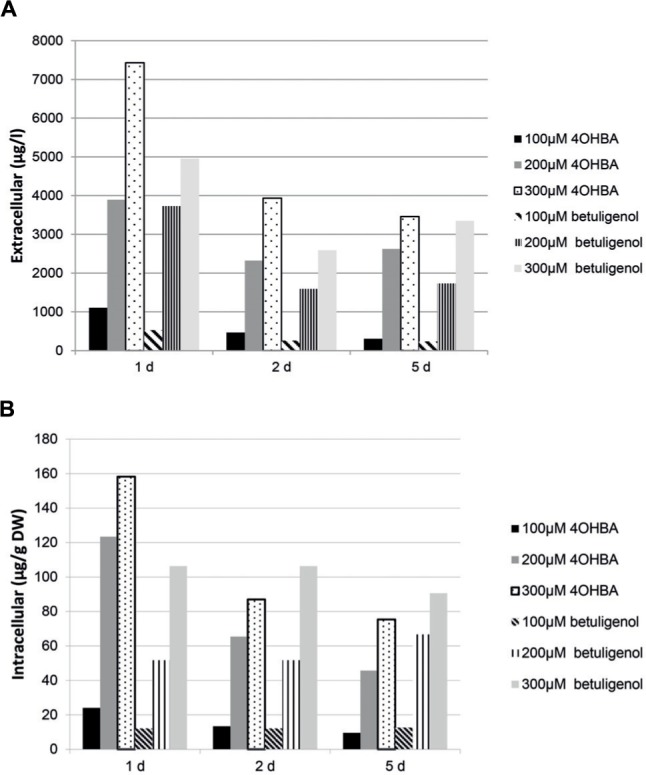
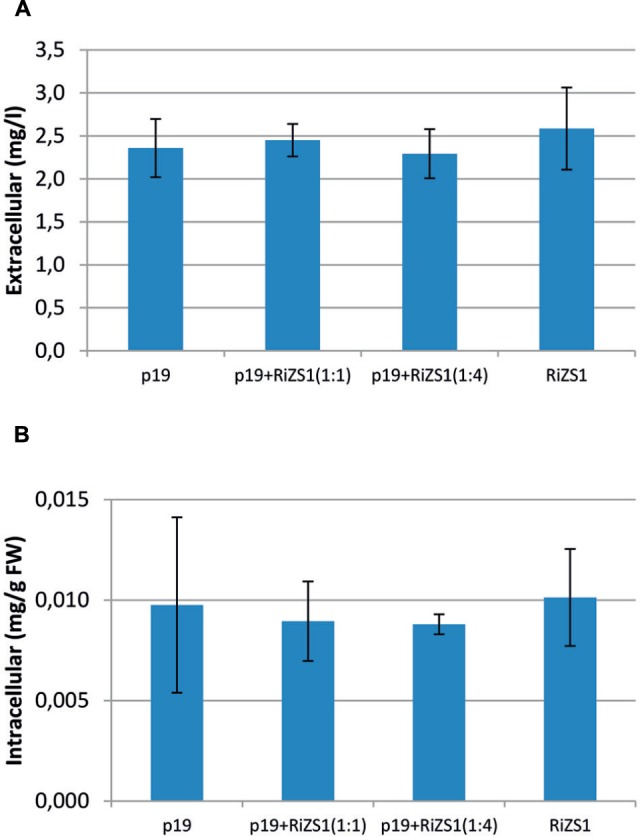
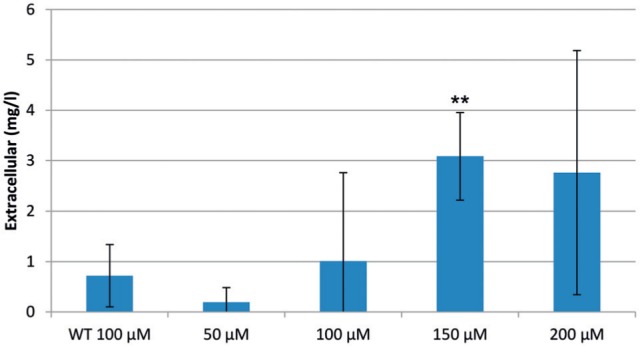
Bioconversion, i.e., the use of biological systems to perform chemical changes in synthetic or natural compounds in mild conditions, is an attractive tool for the production of novel active or high-value compounds. Plant cells exhibit a vast biochemical potential, being able to transform a range of substances, including pharmaceutical ingredients and industrial by-products, via enzymatic processes. The use of plant cell cultures offers possibilities for contained and optimized production processes which can be applied in industrial scale. Raspberry ketone [4-(4-hydroxyphenyl)butan-2-one] is among the most interesting natural flavor compounds, due to its high demand and significant market value. The biosynthesis of this industrially relevant flavor compound is relatively well characterized, involving the condensation of 4-coumaryl-CoA and malonyl-CoA by Type III polyketide synthase to form a diketide, and the subsequent reduction catalyzed by an NADPH-dependent reductase. Raspberry ketone has been successfully produced by bioconversion using different hosts and precursors to establish more efficient and economical processes. In this work, we studied the effect of overexpressed RiZS1 in tobacco on precursor bioconversion to raspberry ketone. In addition, various wild type plant cell cultures were studied for their capacity to carry out the bioconversion to raspberry ketone using either 4-hydroxybenzalacetone or betuligenol as a substrate. Apparently plant cells possess rather widely distributed reductase activity capable of performing the bioconversion to raspberry ketone using cheap and readily available precursors.
生物转化,即利用生物系统在温和条件下对合成或天然化合物进行化学变化,是生产新型活性或高价值化合物的一种有吸引力的工具。植物细胞具有巨大的生化潜力,能够通过酶促过程转化一系列物质,包括药物成分和工业副产品。使用植物细胞培养物为可应用于工业规模的封闭式和优化生产过程提供了可能性。覆盆子酮[4-(4-羟基苯基)丁-2-酮]由于其高需求和显著的市场价值,是最有趣的天然香料化合物之一。这种与工业相关的香料化合物的生物合成相对已得到充分表征,包括由III型聚酮合酶催化4-香豆酰辅酶A和丙二酰辅酶A缩合形成二酮,以及随后由NADPH依赖性还原酶催化的还原反应。使用不同的宿主和前体通过生物转化已成功生产出覆盆子酮,以建立更高效和经济的生产过程。在这项工作中,我们研究了烟草中过表达的RiZS1对前体生物转化为覆盆子酮的影响。此外,还研究了各种野生型植物细胞培养物使用4-羟基苯甲酰丙酮或桦木烯醇作为底物进行生物转化为覆盆子酮的能力。显然,植物细胞具有分布相当广泛的还原酶活性,能够使用廉价且容易获得的前体进行生物转化为覆盆子酮。