Naik Milind Neilkant, Nair Akshay Gopinathan, Gupta Adit, Kamal Saurabh
Department of Ophthalmic Plastic Surgery, L. V. Prasad Eye Institute, Hyderabad, Telangana, India.
Indian J Ophthalmol. 2015 Nov;63(11):847-53. doi: 10.4103/0301-4738.171967.
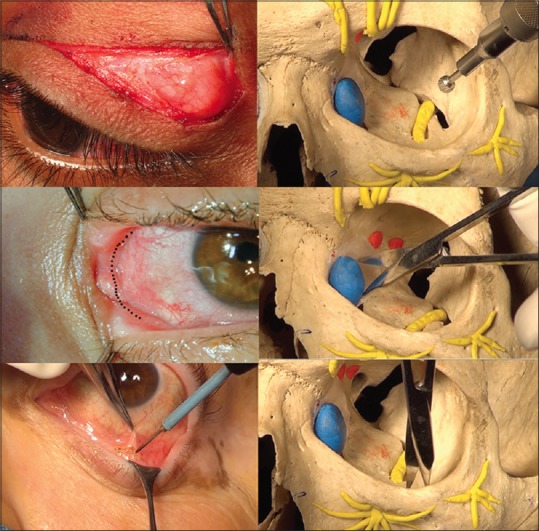
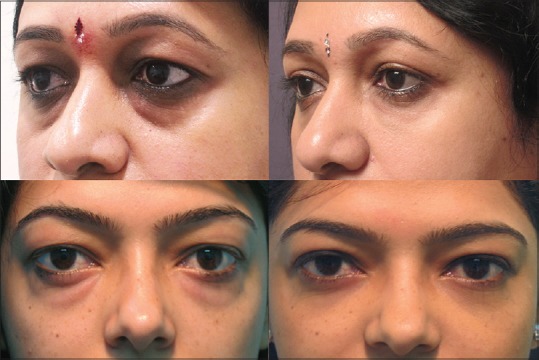
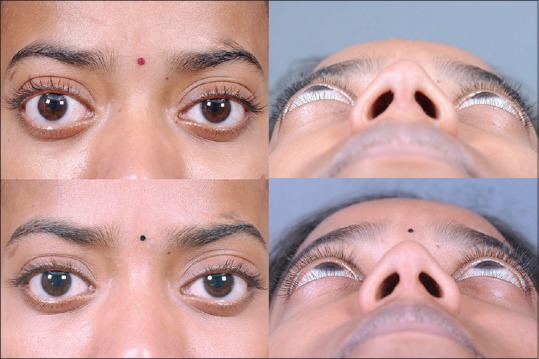
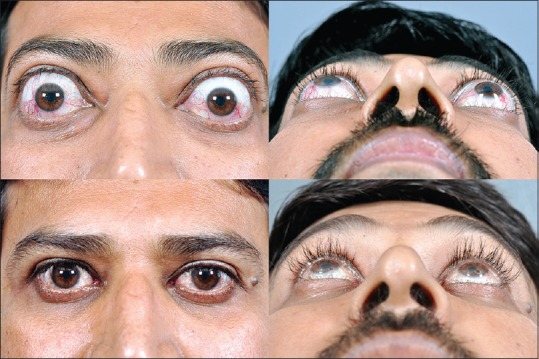
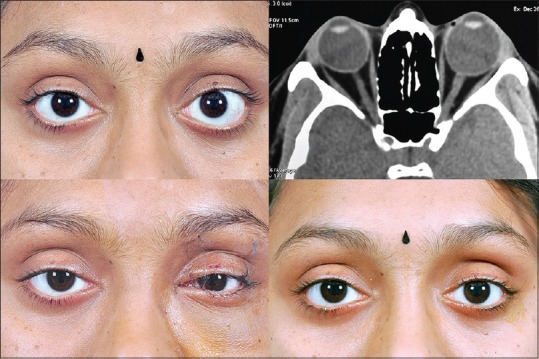
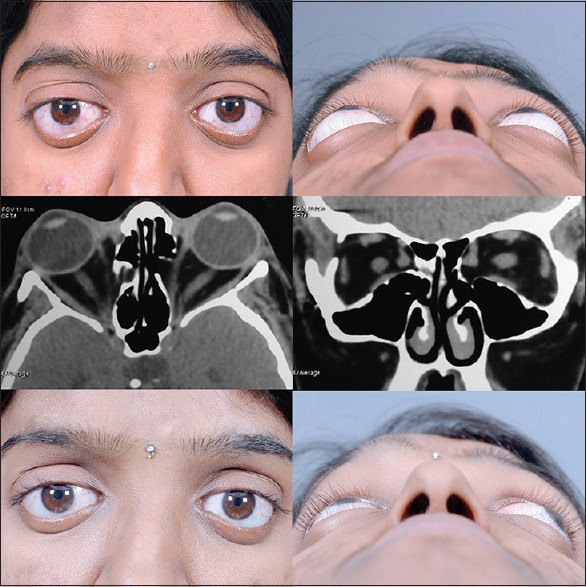
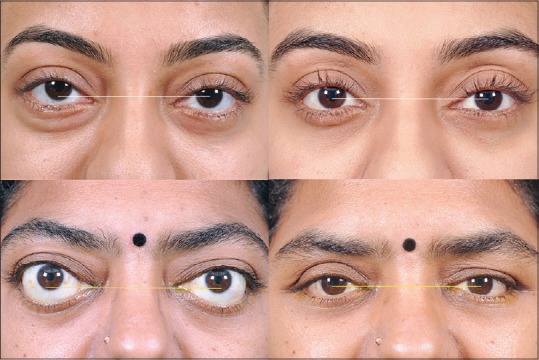
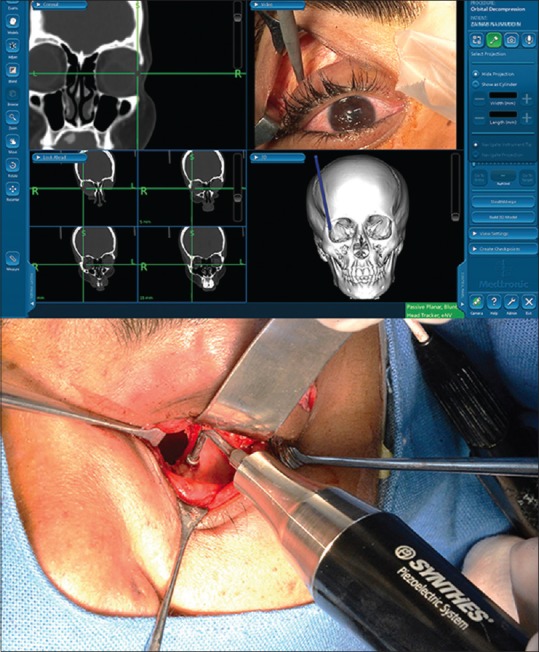
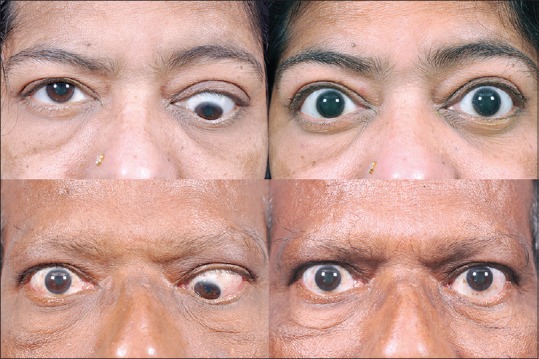
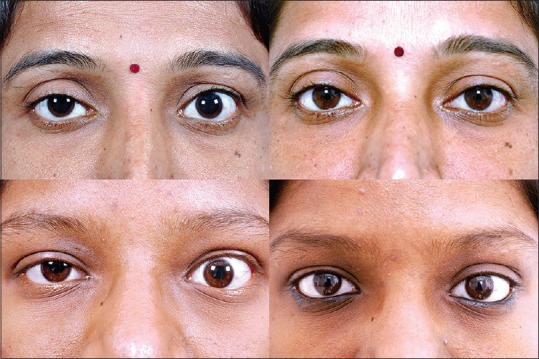
Thyroid eye disease (TED) can affect the eye in myriad ways: proptosis, strabismus, eyelid retraction, optic neuropathy, soft tissue changes around the eye and an unstable ocular surface. TED consists of two phases: active, and inactive. The active phase of TED is limited to a period of 12-18 months and is mainly managed medically with immunosuppression. The residual structural changes due to the resultant fibrosis are usually addressed with surgery, the mainstay of which is orbital decompression. These surgeries are performed during the inactive phase. The surgical rehabilitation of TED has evolved over the years: not only the surgical techniques, but also the concepts, and the surgical tools available. The indications for decompression surgery have also expanded in the recent past. This article discusses the technological and conceptual advances of minimally invasive surgery for TED that decrease complications and speed up recovery. Current surgical techniques offer predictable, consistent results with better esthetics.
甲状腺眼病(TED)可通过多种方式影响眼睛:眼球突出、斜视、眼睑退缩、视神经病变、眼周软组织变化以及眼表不稳定。TED分为两个阶段:活动期和非活动期。TED的活动期持续12至18个月,主要通过免疫抑制进行药物治疗。由纤维化导致的残余结构变化通常通过手术解决,其中主要手术是眼眶减压术。这些手术在非活动期进行。多年来,TED的手术康复技术不断发展:不仅手术技术,手术理念及可用的手术工具也在发展。近年来,减压手术的适应症也有所扩大。本文讨论了TED微创手术在技术和理念上的进展,这些进展可减少并发症并加快康复。当前的手术技术可提供可预测、一致的结果,且美观效果更佳。