Jongbloets Bart C, van Gassen Koen L I, Kan Anne A, Olde Engberink Anneke H O, de Wit Marina, Wolterink-Donselaar Inge G, Groot Koerkamp Marian J A, van Nieuwenhuizen Onno, Holstege Frank C P, de Graan Pierre N E
Brain Center Rudolf Magnus, Department of Translational Neuroscience, University Medical Center Utrecht, Utrecht, the Netherlands.
Molecular Cancer Research, Division Biomedical Genetics, University Medical Center Utrecht, Utrecht, the Netherlands.
PLoS One. 2015 Dec 18;10(12):e0145247. doi: 10.1371/journal.pone.0145247. eCollection 2015.
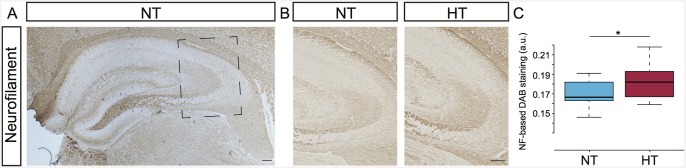
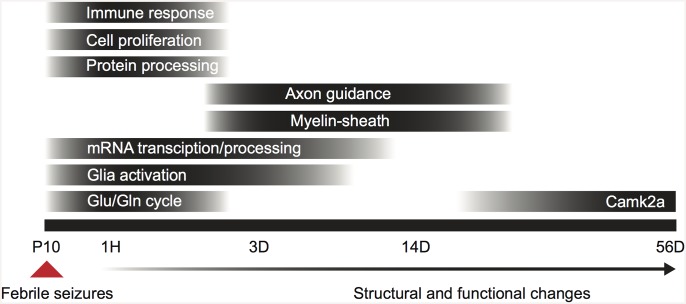
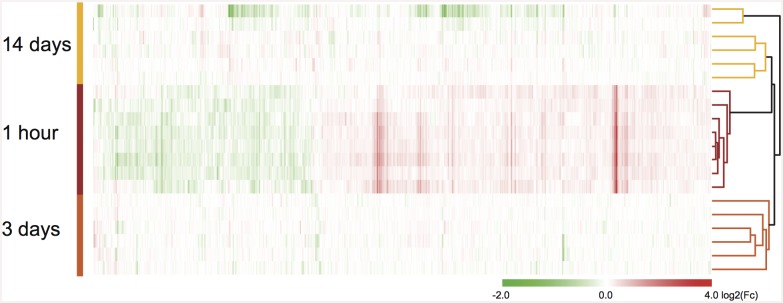
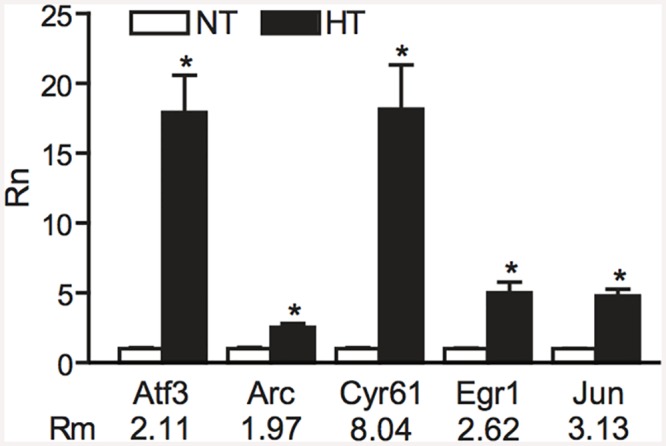
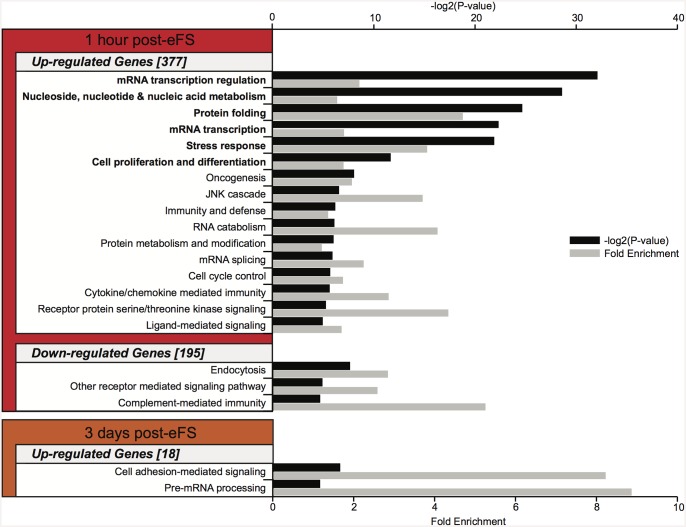
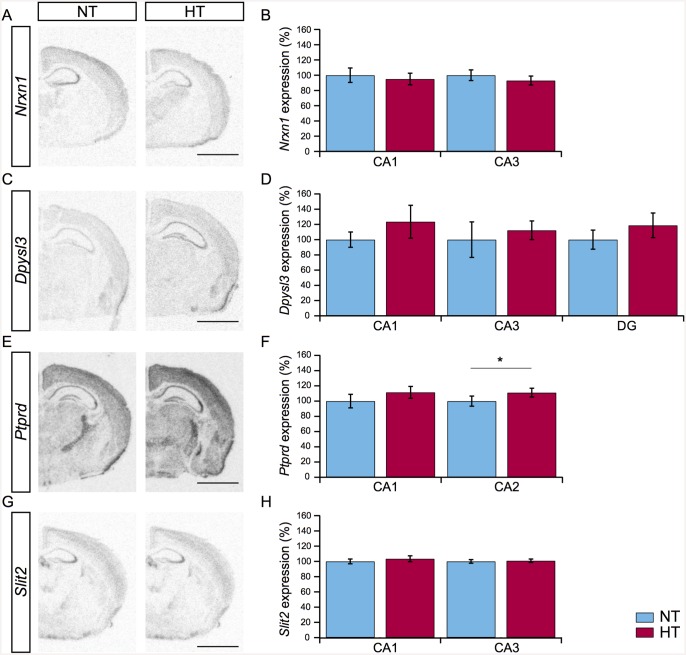
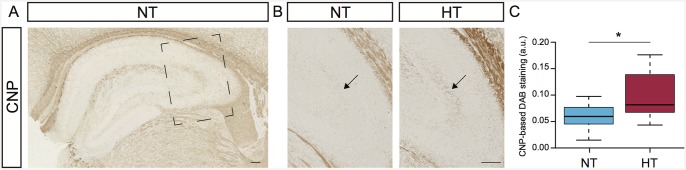
Febrile seizures are the most prevalent type of seizures among children up to 5 years of age (2-4% of Western-European children). Complex febrile seizures are associated with an increased risk to develop temporal lobe epilepsy. To investigate short- and long-term effects of experimental febrile seizures (eFS), we induced eFS in highly febrile convulsion-susceptible C57BL/6J mice at post-natal day 10 by exposure to hyperthermia (HT) and compared them to normotherm-exposed (NT) mice. We detected structural re-organization in the hippocampus 14 days after eFS. To identify molecular candidates, which entrain this structural re-organization, we investigated temporal changes in mRNA expression profiles eFS 1 hour to 56 days after eFS. We identified 931 regulated genes and profiled several candidates using in situ hybridization and histology at 3 and 14 days after eFS. This is the first study to report genome-wide transcriptome analysis after eFS in mice. We identify temporal regulation of multiple processes, such as stress-, immune- and inflammatory responses, glia activation, glutamate-glutamine cycle and myelination. Identification of the short- and long-term changes after eFS is important to elucidate the mechanisms contributing to epileptogenesis.
热性惊厥是5岁以下儿童中最常见的惊厥类型(在西欧儿童中占2%-4%)。复杂性热性惊厥会增加患颞叶癫痫的风险。为了研究实验性热性惊厥(eFS)的短期和长期影响,我们在出生后第10天通过暴露于高温(HT)在高热惊厥易感的C57BL/6J小鼠中诱导eFS,并将它们与正常体温暴露(NT)小鼠进行比较。我们在eFS后14天检测到海马体中的结构重组。为了确定引发这种结构重组的分子候选物,我们研究了eFS后1小时至56天mRNA表达谱的时间变化。我们鉴定出931个受调控的基因,并在eFS后3天和14天使用原位杂交和组织学对几个候选物进行了分析。这是第一项报道小鼠eFS后全基因组转录组分析的研究。我们确定了多个过程的时间调控,如应激、免疫和炎症反应、神经胶质细胞激活、谷氨酸-谷氨酰胺循环和髓鞘形成。确定eFS后的短期和长期变化对于阐明导致癫痫发生的机制很重要。