Pedrosa Andresa Muniz, Martins Cristina de Paula Santos, Gonçalves Luana Pereira, Costa Marcio Gilberto Cardoso
Centro de Biotecnologia e Genética, Departamento de Ciências Biológicas, Universidade Estadual de Santa Cruz, Ilhéus, BA, Brazil.
PLoS One. 2015 Dec 23;10(12):e0145785. doi: 10.1371/journal.pone.0145785. eCollection 2015.
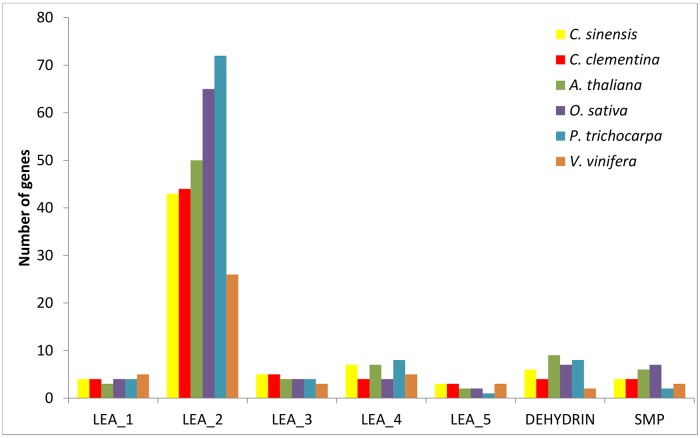
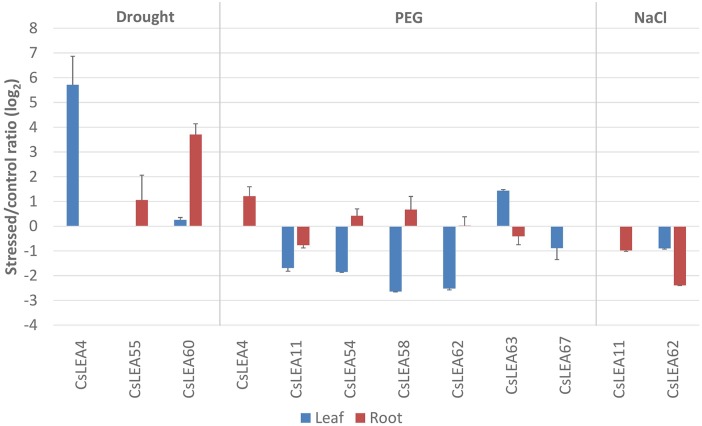
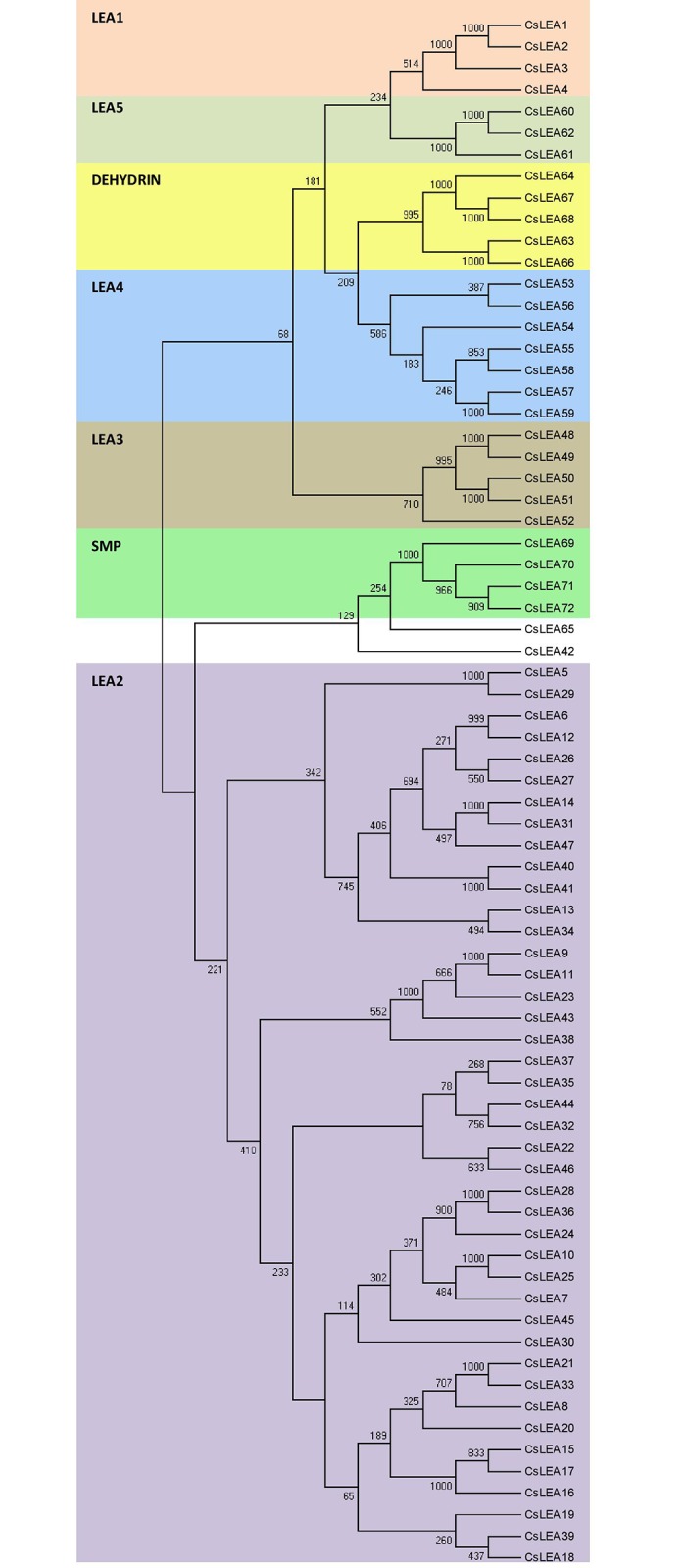
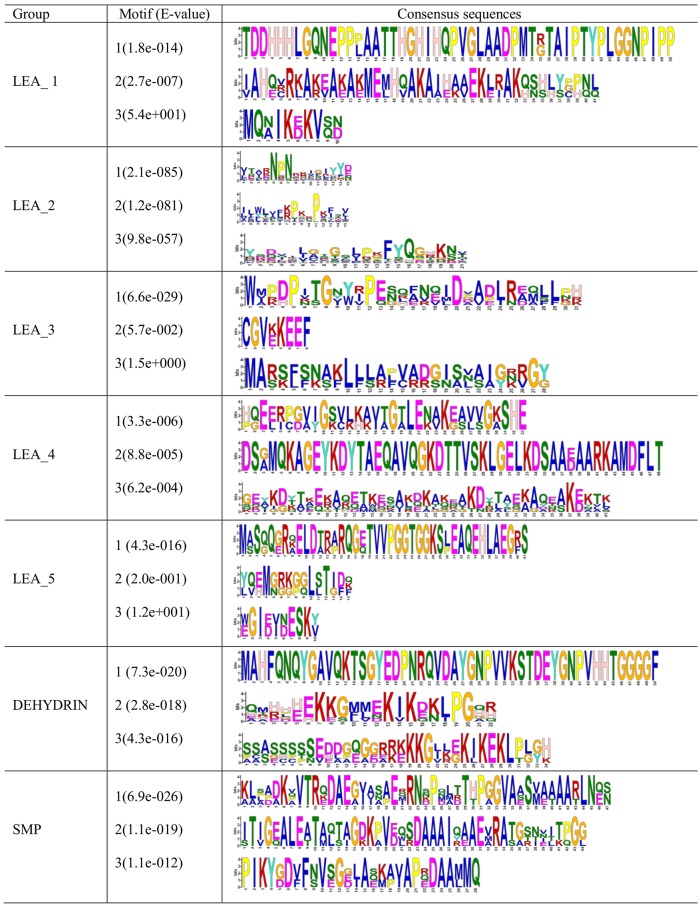
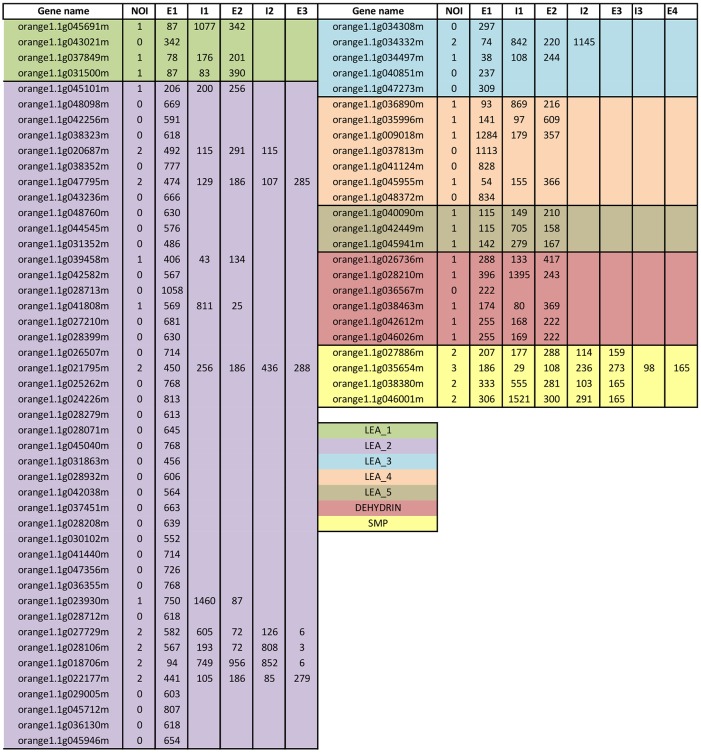
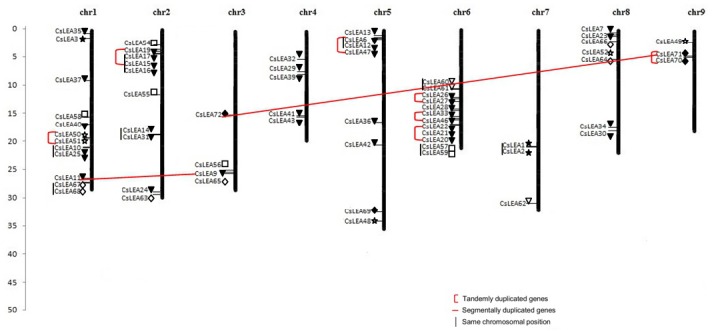
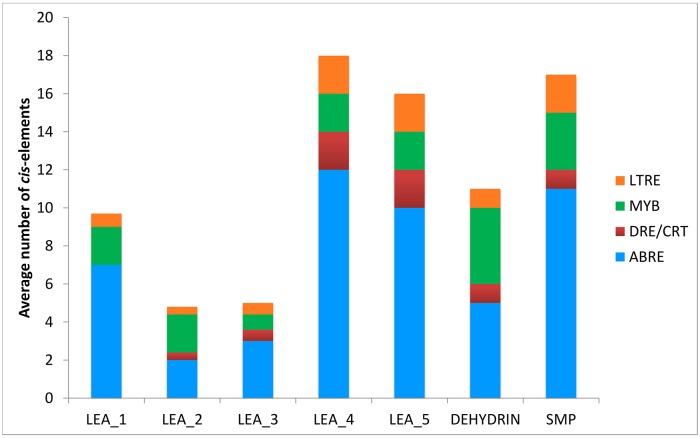
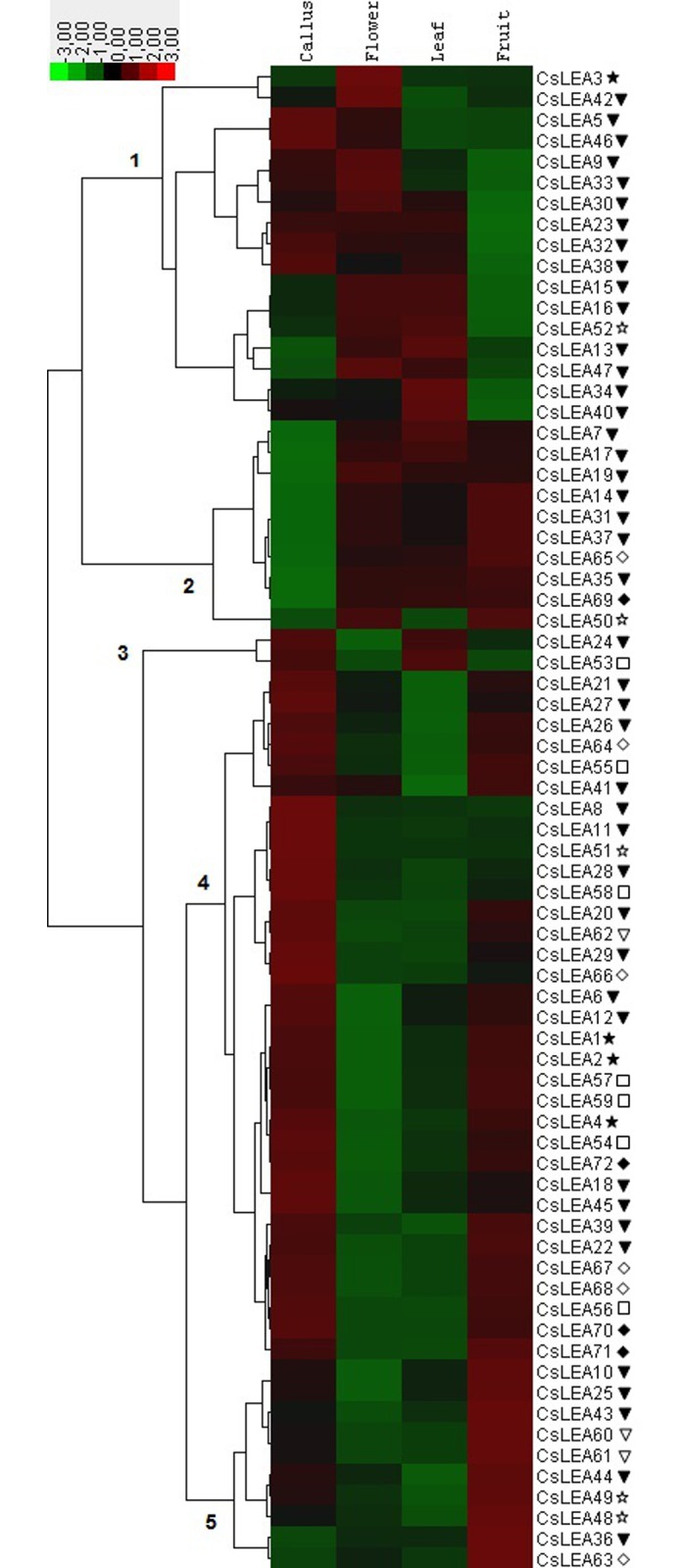
Late Embryogenesis Abundant (LEA) proteins are an ubiquitous group of polypeptides that were first described to accumulate during plant seed dehydration, at the later stages of embryogenesis. Since then they have also been recorded in vegetative plant tissues experiencing water limitation and in anhydrobiotic bacteria and invertebrates and, thereby, correlated with the acquisition of desiccation tolerance. This study provides the first comprehensive study about the LEA gene family in sweet orange (Citrus sinensis L. Osb.), the most important and widely grown fruit crop around the world. A surprisingly high number (72) of genes encoding C. sinensis LEAs (CsLEAs) were identified and classified into seven groups (LEA_1, LEA_2, LEA_3 and LEA_4, LEA_5, DEHYDRIN and SMP) based on their predicted amino acid sequences and also on their phylogenetic relationships with the complete set of Arabidopsis thaliana LEA proteins (AtLEAs). Approximately 60% of the CsLEAs identified in this study belongs to the unusual LEA_2 group of more hydrophobic LEA proteins, while the other LEA groups contained a relatively small number of members typically hydrophilic. A correlation between gene structure and motif composition was observed within each LEA group. Investigation of their chromosomal localizations revealed that the CsLEAs were non-randomly distributed across all nine chromosomes and that 33% of all CsLEAs are segmentally or tandemly duplicated genes. Analysis of the upstream sequences required for transcription revealed the presence of various stress-responsive cis-acting regulatory elements in the promoter regions of CsLEAs, including ABRE, DRE/CRT, MYBS and LTRE. Expression analysis using both RNA-seq data and quantitative real-time RT-PCR (qPCR) revealed that the CsLEA genes are widely expressed in various tissues, and that many genes containing the ABRE promoter sequence are induced by drought, salt and PEG. These results provide a useful reference for further exploration of the CsLEAs functions and applications on crop improvement.
胚胎发育晚期丰富(LEA)蛋白是一类普遍存在的多肽,最初被描述为在植物种子脱水过程中、胚胎发育后期积累。从那时起,它们也在经历水分限制的植物营养组织以及耐脱水细菌和无脊椎动物中被记录到,因此与获得耐旱性相关。本研究首次对甜橙(Citrus sinensis L. Osb.)中的LEA基因家族进行了全面研究,甜橙是世界上最重要且种植最广泛的水果作物。基于预测的氨基酸序列以及它们与拟南芥LEA蛋白(AtLEAs)全集的系统发育关系,令人惊讶地鉴定出了大量(72个)编码甜橙LEA(CsLEAs)的基因,并将其分为七组(LEA_1、LEA_2、LEA_3和LEA_4、LEA_5、脱水素和SMP)。本研究中鉴定出的约60%的CsLEAs属于疏水性更强的LEA蛋白的特殊LEA_2组,而其他LEA组包含的成员数量相对较少,通常为亲水性。在每个LEA组中观察到了基因结构与基序组成之间的相关性。对其染色体定位的研究表明,CsLEAs在所有九条染色体上非随机分布,并且所有CsLEAs中有33%是片段或串联重复基因。对转录所需上游序列的分析揭示了CsLEAs启动子区域中存在各种应激反应顺式作用调控元件,包括ABRE、DRE/CRT、MYBS和LTRE。使用RNA测序数据和定量实时RT-PCR(qPCR)进行的表达分析表明,CsLEA基因在各种组织中广泛表达,并且许多含有ABRE启动子序列的基因受到干旱、盐和PEG的诱导。这些结果为进一步探索CsLEAs的功能及其在作物改良中的应用提供了有用的参考。