Liu Shirong, da Cunha Andre Pires, Rezende Rafael M, Cialic Ron, Wei Zhiyun, Bry Lynn, Comstock Laurie E, Gandhi Roopali, Weiner Howard L
Department of Neurology, Ann Romney Center for Neurologic Diseases, Brigham and Women's Hospital, Harvard Medical School, Boston, MA 02115, USA.
Department of Pathology, Brigham and Women's Hospital, Harvard Medical School, Boston, MA 02115, USA.
Cell Host Microbe. 2016 Jan 13;19(1):32-43. doi: 10.1016/j.chom.2015.12.005.
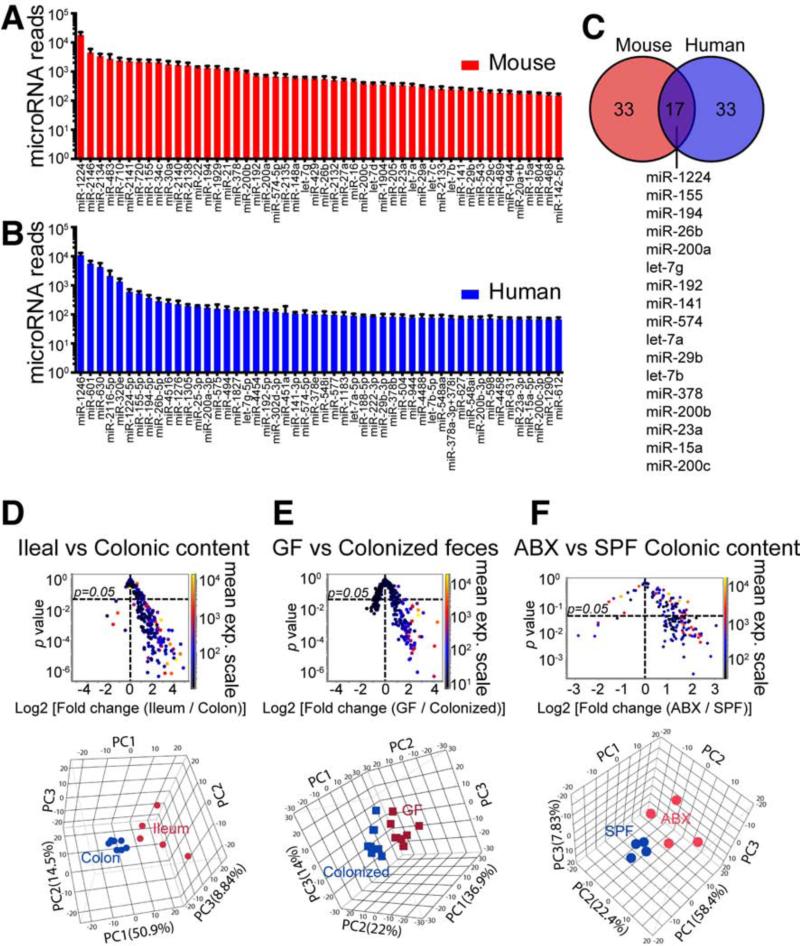
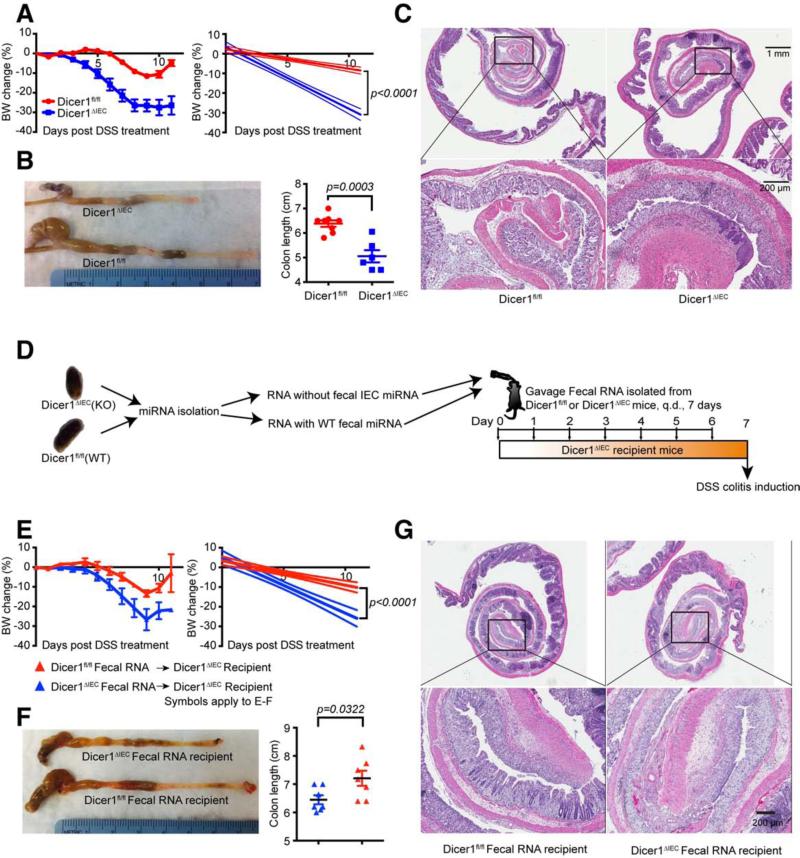
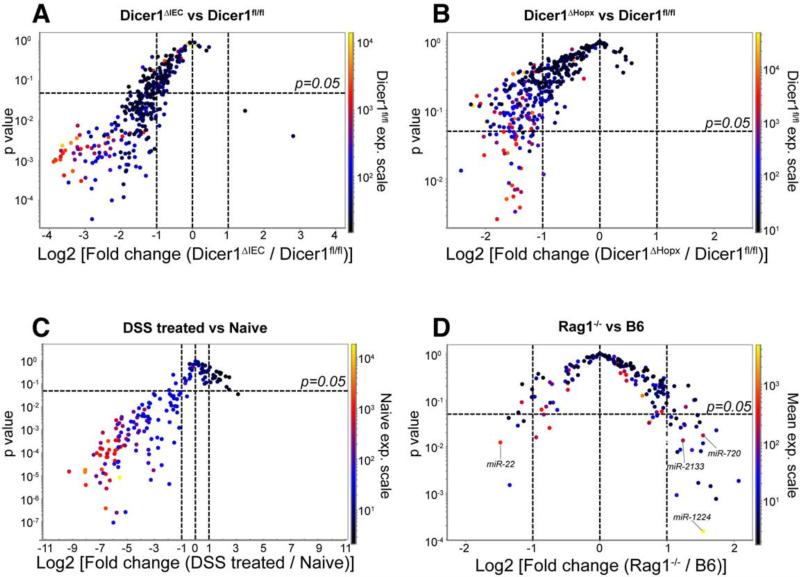
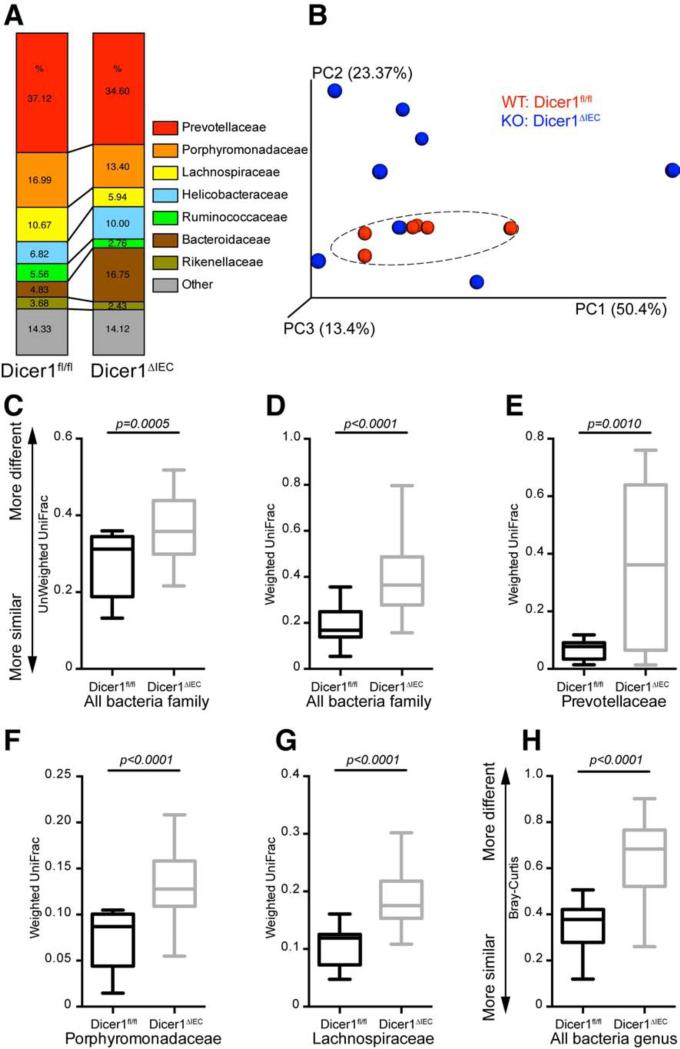
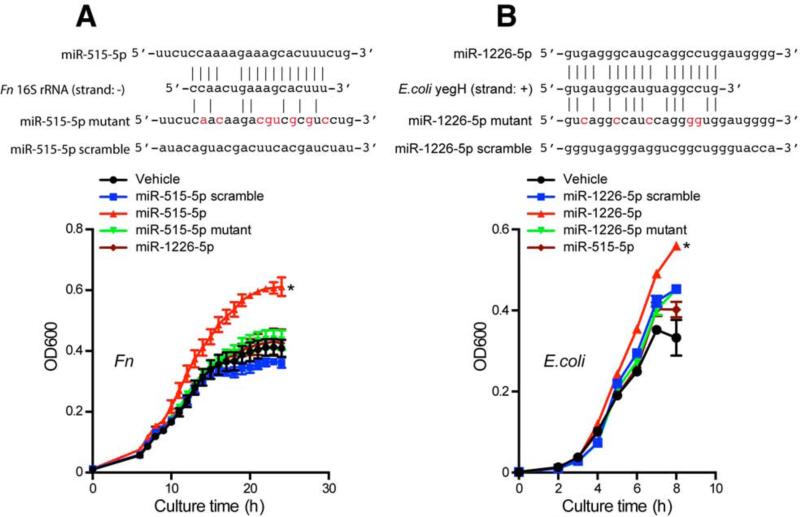
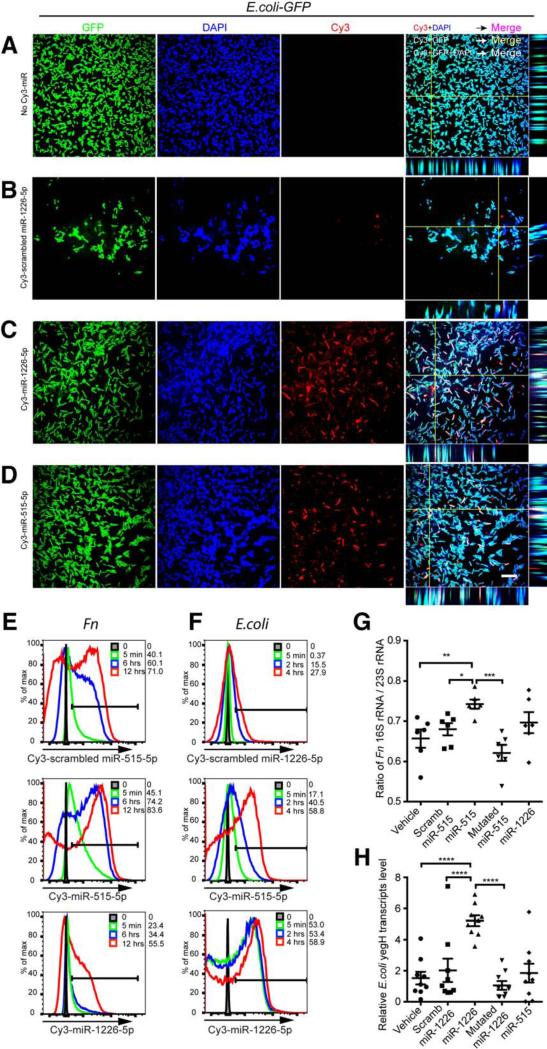
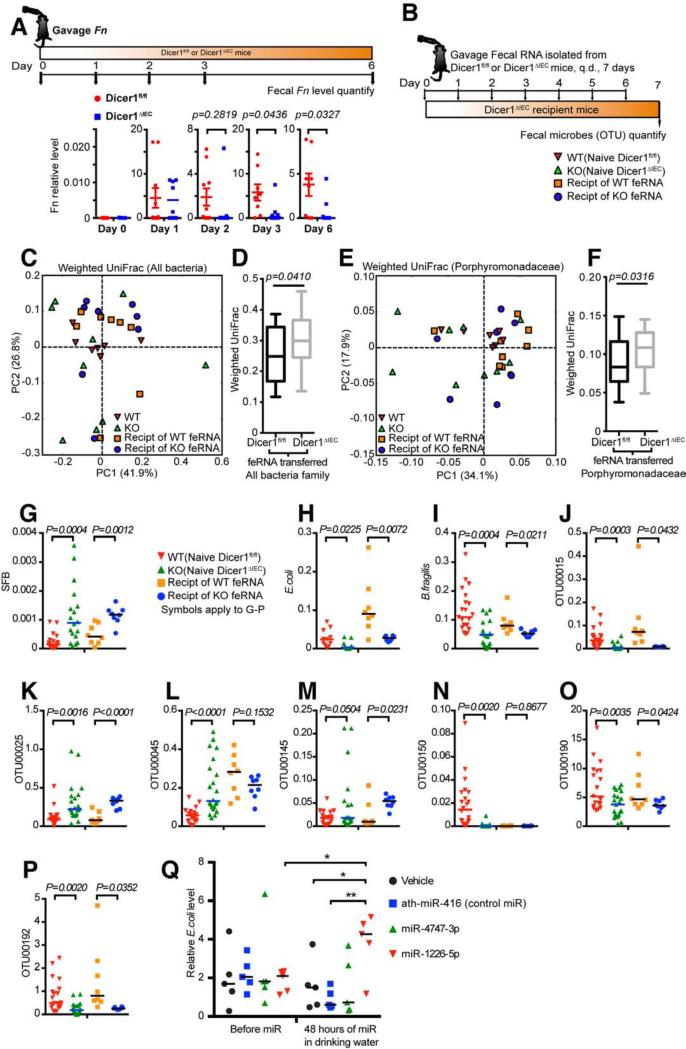
The host gut microbiota varies across species and individuals but is relatively stable over time within an individual. How the host selectively shapes the microbiota is largely unclear. Here, we show that fecal microRNA (miRNA)-mediated inter-species gene regulation facilitates host control of the gut microbiota. miRNAs are abundant in mouse and human fecal samples and present within extracellular vesicles. Cell-specific loss of the miRNA-processing enzyme, Dicer, identified intestinal epithelial cells (IEC) and Hopx-positive cells as predominant fecal miRNA sources. These miRNAs can enter bacteria, such as F. nucleatum and E. coli, specifically regulate bacterial gene transcripts, and affect bacterial growth. IEC-miRNA-deficient (Dicer1(ΔIEC)) mice exhibit uncontrolled gut microbiota and exacerbated colitis, and WT fecal miRNA transplantation restores fecal microbes and ameliorates colitis. These findings identify both a physiologic role by which fecal miRNA shapes the gut microbiota and a potential strategy for manipulating the microbiome.
宿主肠道微生物群因物种和个体而异,但在个体内随时间相对稳定。宿主如何选择性地塑造微生物群在很大程度上尚不清楚。在这里,我们表明粪便微小RNA(miRNA)介导的种间基因调控有助于宿主对肠道微生物群的控制。miRNA在小鼠和人类粪便样本中丰富,并存在于细胞外囊泡中。miRNA加工酶Dicer的细胞特异性缺失确定肠道上皮细胞(IEC)和Hopx阳性细胞是主要的粪便miRNA来源。这些miRNA可以进入细菌,如具核梭杆菌和大肠杆菌,特异性调节细菌基因转录本,并影响细菌生长。IEC-miRNA缺陷(Dicer1(ΔIEC))小鼠表现出不受控制 的肠道微生物群和加重的结肠炎,野生型粪便miRNA移植可恢复粪便微生物并改善结肠炎。这些发现确定了粪便miRNA塑造肠道微生物群的生理作用以及操纵微生物组的潜在策略。