Chen Yunya, Wang Xiujie, Shao Xinyu
Department of Endocrinology, Wuxi People's Hospital of Huishan District, 2 Zhanqian Street, Wuxi, Jiangsu 214187, China.
Department of Endocrinology, The First Affiliated Hospital of Soochow University, 188 Shizi Street, Suzhou, Jiangsu 215006, China.
J Diabetes Res. 2015;2015:796912. doi: 10.1155/2015/796912. Epub 2015 Dec 3.
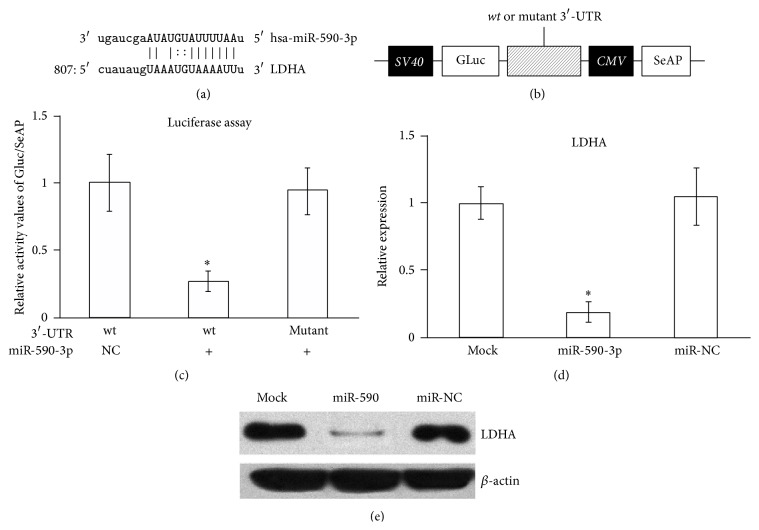
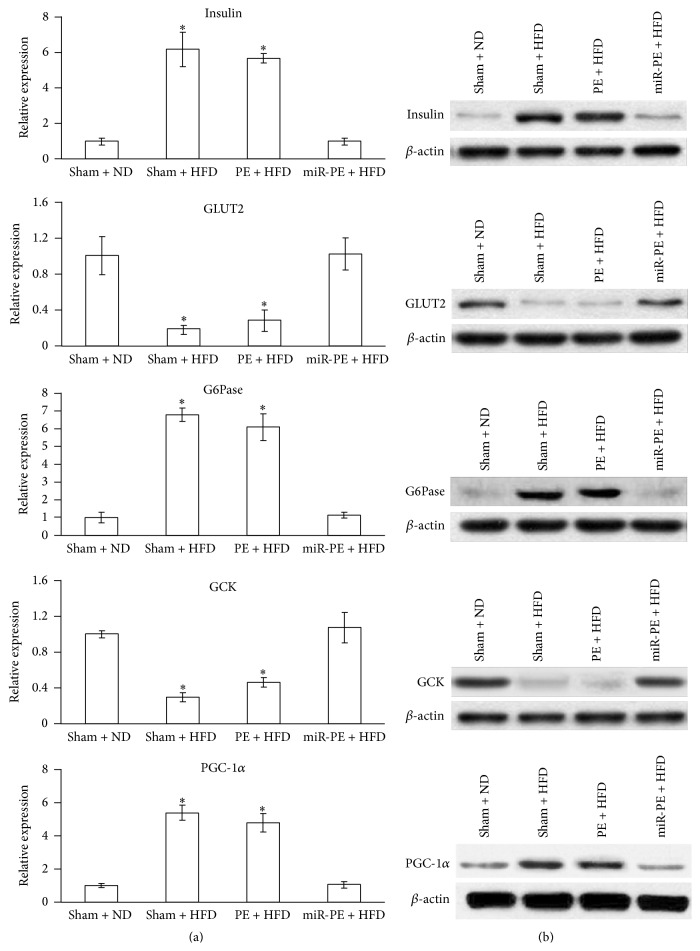
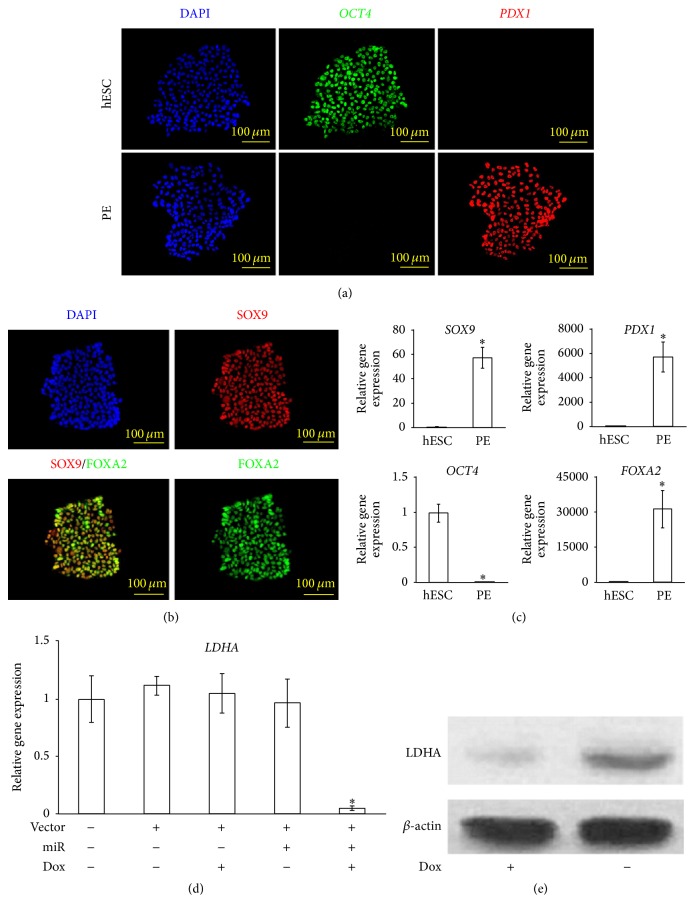
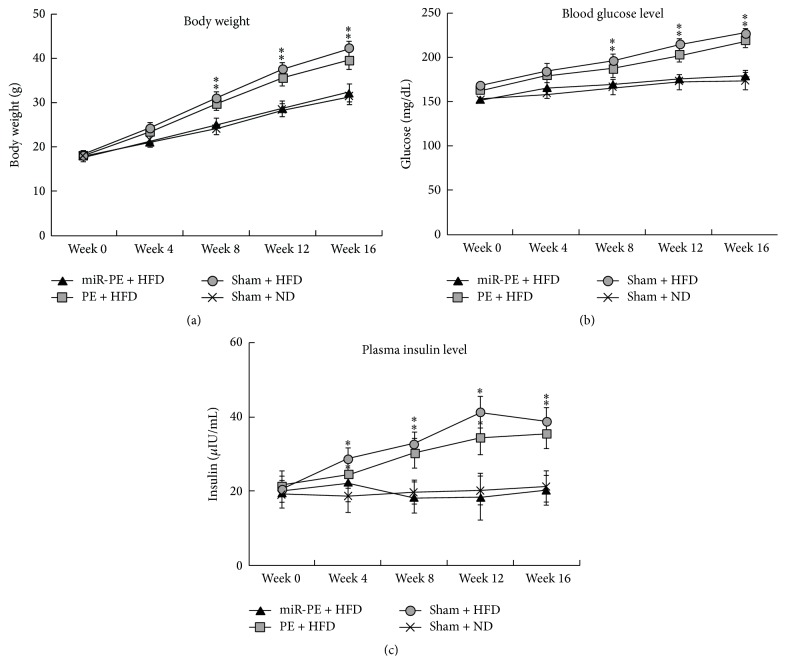
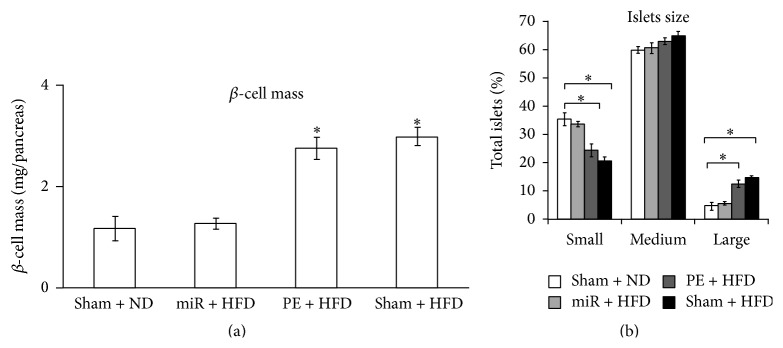
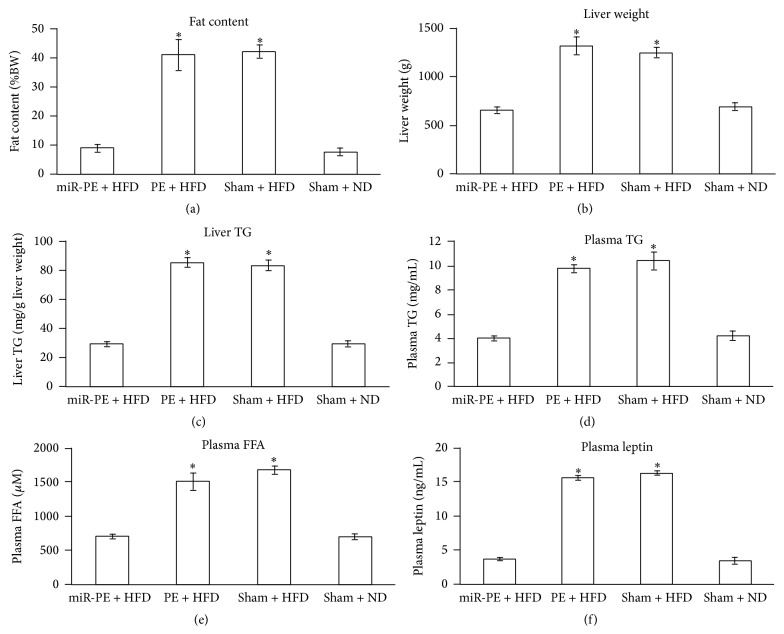
Type II diabetes mellitus (T2D) is a chronic metabolic disorder that results from defects in both insulin secretion and insulin action. The deficit and dysfunction of insulin secreting β-cell are signature symptom for T2D. Additionally, in pancreatic β-cell, a small group of genes which are abundantly expressed in most other tissues are highly selectively repressed. Lactate dehydrogenase A (LDHA) is one of such genes. Upregulation of LDHA is found in both human T2D and rodent T2D models. In this study, we identified a LDHA-suppressing microRNA (hsa-miR-590-3p) and used it together with human embryonic stem cell (hESC) derived pancreatic endoderm (PE) transplantation into a high-fat diet induced T2D mouse model. The procedure significantly improved glucose metabolism and other symptoms of T2D. Our findings support the potential T2D treatment using the combination of microRNA and hESC-differentiated PE cells.
2型糖尿病(T2D)是一种慢性代谢紊乱疾病,由胰岛素分泌缺陷和胰岛素作用缺陷共同导致。胰岛素分泌β细胞的数量不足和功能障碍是T2D的标志性症状。此外,在胰腺β细胞中,一小部分在大多数其他组织中大量表达的基因被高度选择性地抑制。乳酸脱氢酶A(LDHA)就是这类基因之一。在人类T2D和啮齿动物T2D模型中均发现LDHA上调。在本研究中,我们鉴定出一种抑制LDHA的微小RNA(hsa-miR-590-3p),并将其与人胚胎干细胞(hESC)来源的胰腺内胚层(PE)一起移植到高脂饮食诱导的T2D小鼠模型中。该操作显著改善了葡萄糖代谢和T2D的其他症状。我们的研究结果支持了使用微小RNA和hESC分化的PE细胞联合治疗T2D的潜力。