Department of Urology, University of Washington, Seattle, Washington.
Department of Psychiatry and Behavioral Sciences, Duke University, Durham, North Carolina.
J Urol. 2016 Jul;196(1):146-52. doi: 10.1016/j.juro.2016.01.007. Epub 2016 Jan 16.
To address gaps in understanding and treating lower urinary tract symptoms, the NIDDK created the Symptoms of Lower Urinary Tract Dysfunction Research Network (LURN). The goals of LURN are to work collaboratively to 1) identify and explain the important subtypes of lower urinary tract symptoms; 2) improve the measurement of patient experiences of lower urinary tract symptoms; 3) disseminate novel findings to researchers, clinicians and patients; and 4) generate data, research tools and biological samples for future studies.
As a first step in understanding subtypes of lower urinary tract symptoms, LURN will focus on disorders of urinary sensation (eg urgency) and their causes. These are being examined with respect to patient experience, organism or systemic factors, genitourinary organs and tissues, and cellular/molecular factors. This is being achieved via an observational cohort study that is currently enrolling patients with lower urinary tract symptoms (target number 1,000) and that will extensively characterize patients with lower urinary tract symptoms. Future studies embedded within the observational cohort study will focus on neuroimaging and sensory testing, biomarkers and organ based factors. To advance the science of measurement of lower urinary tract symptoms, LURN is also developing and evaluating a comprehensive set of self-report questions to provide more granular assessments of lower urinary tract symptoms.
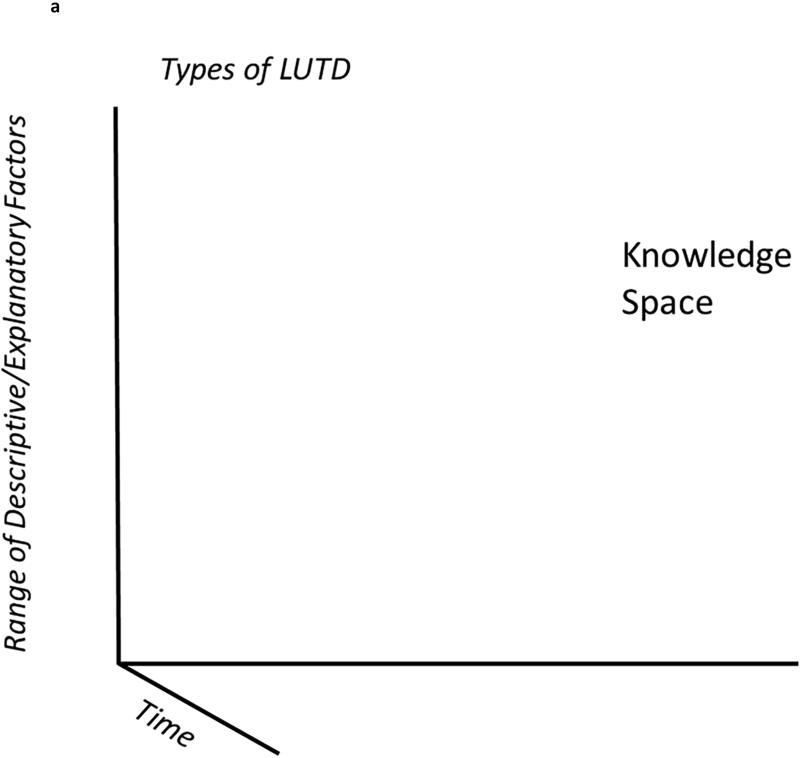
LURN has taken its first steps by developing a framework for studying lower urinary tract symptom subtypes.
In developing this framework, LURN is choosing an initial domain on which to focus (sensory experiences), and creating and executing protocols designed to improve measurement of self-reported symptoms and identify patient subtypes.
为了解决对下尿路症状理解和治疗方面的差距,NIDDK 创建了下尿路功能障碍症状研究网络(LURN)。LURN 的目标是协作:1)确定和解释下尿路症状的重要亚型;2)改善对患者下尿路症状体验的测量;3)向研究人员、临床医生和患者传播新发现;4)为未来的研究生成数据、研究工具和生物样本。
作为了解下尿路症状亚型的第一步,LURN 将专注于尿感觉障碍(例如尿急)及其原因。正在从患者体验、生物体或系统因素、泌尿生殖器官和组织以及细胞/分子因素等方面来检查这些障碍。这是通过一项正在招募下尿路症状患者(目标人数为 1000 人)的观察性队列研究来实现的,该研究将对下尿路症状患者进行广泛的特征描述。未来嵌入观察性队列研究的研究将集中在神经影像学和感觉测试、生物标志物和基于器官的因素上。为了推进下尿路症状测量的科学,LURN 还在开发和评估一整套自我报告问题,以提供对下尿路症状的更细致评估。
LURN 已经通过制定研究下尿路症状亚型的框架迈出了第一步。
在制定这个框架时,LURN 选择了一个初始的关注点(感觉体验),并创建和执行旨在改善自我报告症状测量和确定患者亚型的方案。