Schubert Benjamin, Kohlbacher Oliver
Center for Bioinformatics, University of Tübingen, 72076, Tübingen, Germany.
Department of Computer Science, Applied Bioinformatics, 72076, Tübingen, Germany.
Genome Med. 2016 Jan 26;8(1):9. doi: 10.1186/s13073-016-0263-6.
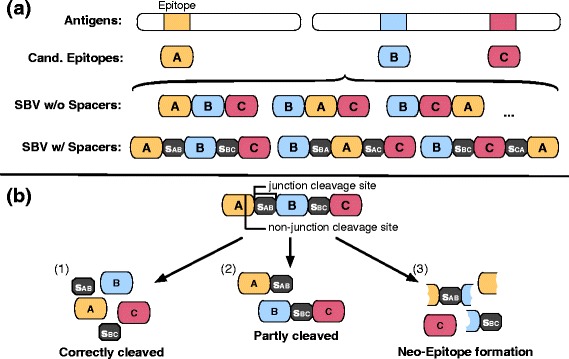
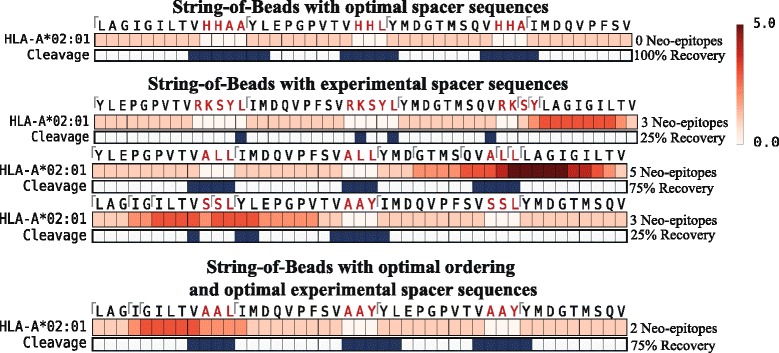
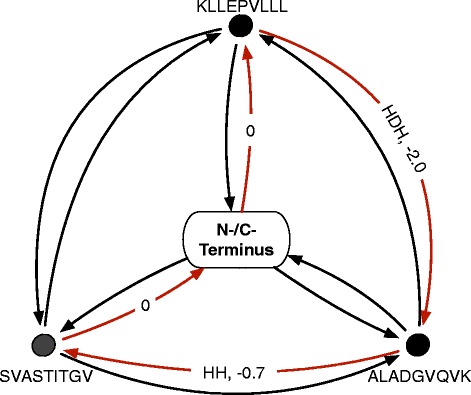
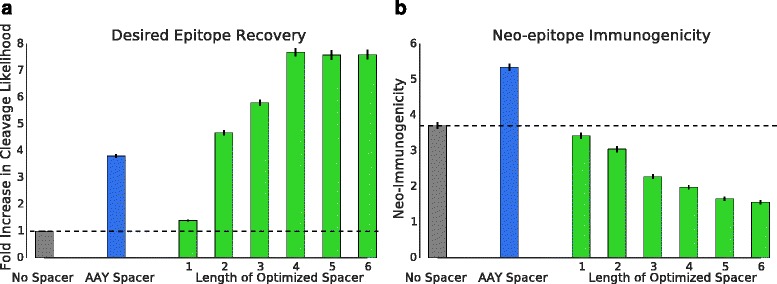
String-of-beads polypeptides allow convenient delivery of epitope-based vaccines. The success of a polypeptide relies on efficient processing: constituent epitopes need to be recovered while avoiding neo-epitopes from epitope junctions. Spacers between epitopes are employed to ensure this, but spacer selection is non-trivial.We present a framework to determine optimally the length and sequence of a spacer through multi-objective optimization for human leukocyte antigen class I restricted polypeptides. The method yields string-of-bead vaccines with flexible spacer lengths that increase the predicted epitope recovery rate fivefold while reducing the immunogenicity from neo-epitopes by 44% compared to designs without spacers.
串珠状多肽便于递送基于表位的疫苗。多肽的成功依赖于高效加工:需要回收组成表位,同时避免表位连接处产生新表位。表位之间使用间隔序列来确保这一点,但间隔序列的选择并非易事。我们提出了一个框架,通过对人白细胞抗原I类限制性多肽进行多目标优化,来最佳地确定间隔序列的长度和序列。该方法产生的串珠状疫苗具有灵活的间隔序列长度,与无间隔序列的设计相比,预测的表位回收率提高了五倍,同时新表位的免疫原性降低了44%。