Nativ-Zeltzer N, Logemann J A, Zecker S G, Kahrilas P J
Department of Communication Sciences and Disorders, Northwestern University, Evanston, IL, USA.
Department of Medicine, Feinberg School of Medicine, Northwestern University, Chicago, IL, USA.
Neurogastroenterol Motil. 2016 May;28(5):721-31. doi: 10.1111/nmo.12769. Epub 2016 Jan 28.
We aimed to define normative values for novel pressure topography metrics for high-resolution pharyngeal-esophageal manofluorography. The effects of age, gender, and bolus properties were examined.
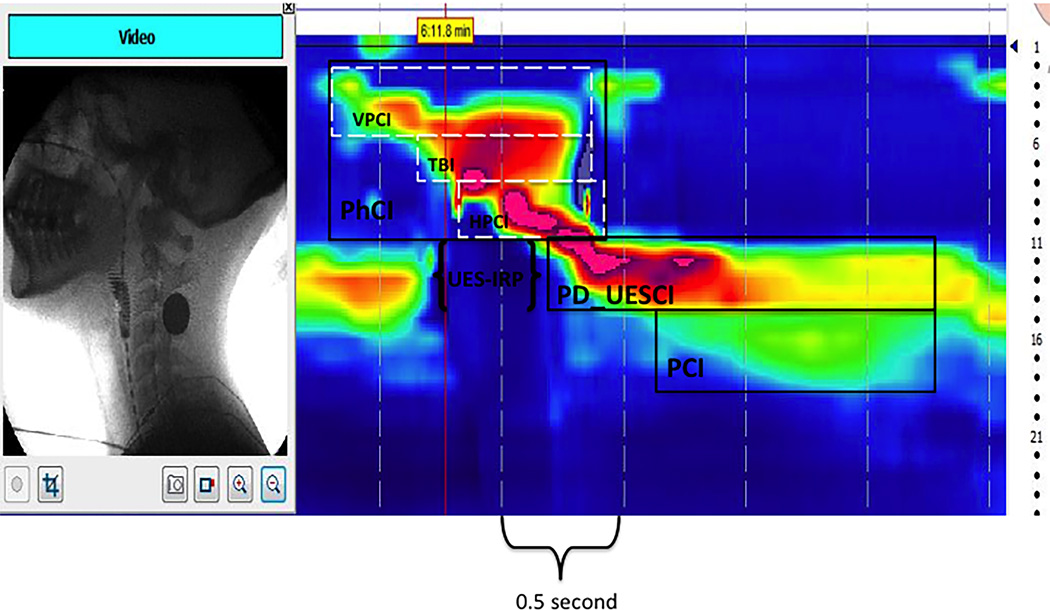
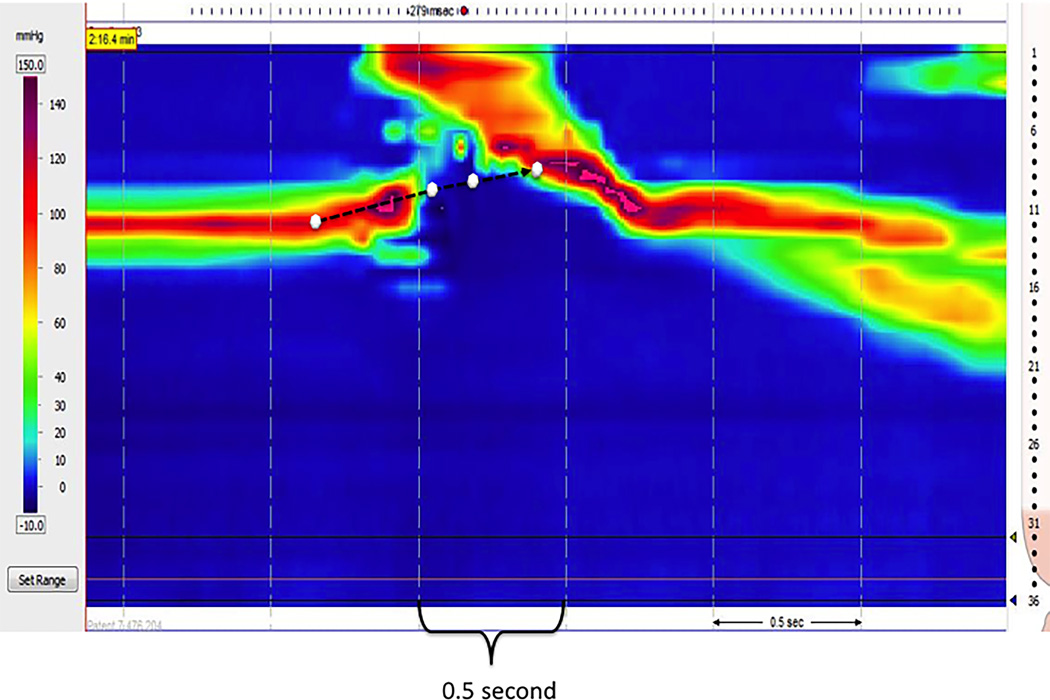
Concurrent high-resolution manometry (HRM) and videofluoroscopy data were collected from 22 younger (aged 21-40) and 22 older (aged 60-80) healthy subjects. Pressure topography was analyzed by correlating pressure domains with videofluoroscopic events. Nine pressure topography metrics of the pharyngeal and proximal esophageal swallow were extracted; four of these were also compared with previously obtained esophageal HRM studies to assess the effects of catheter diameter.
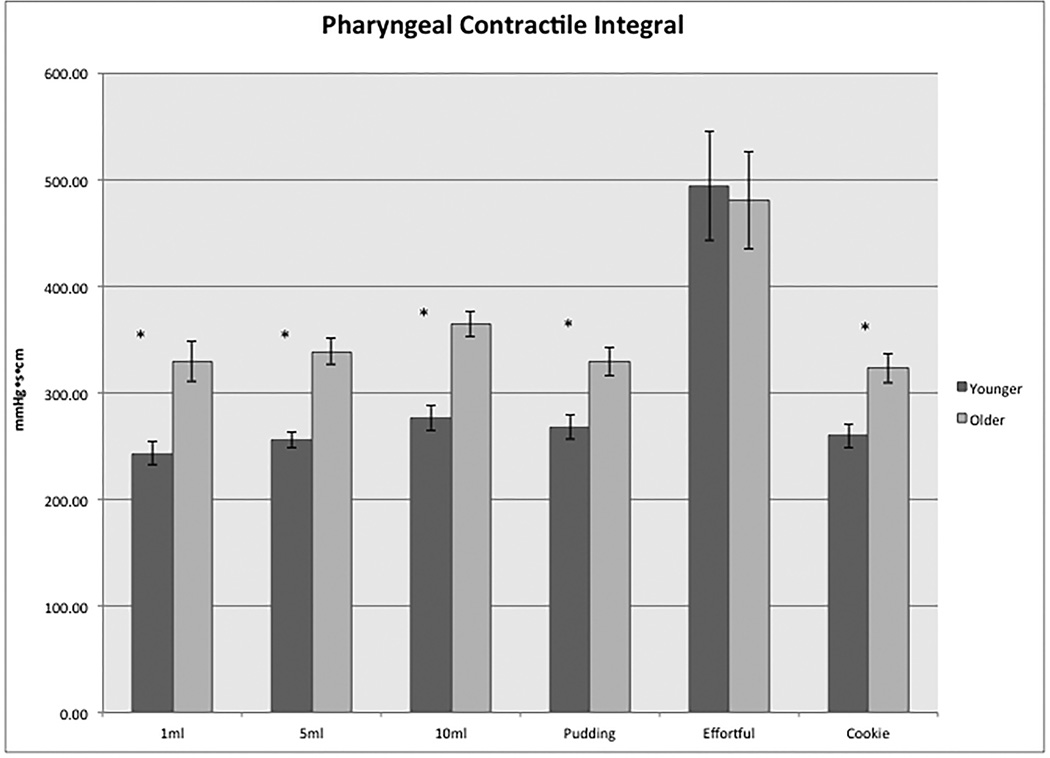
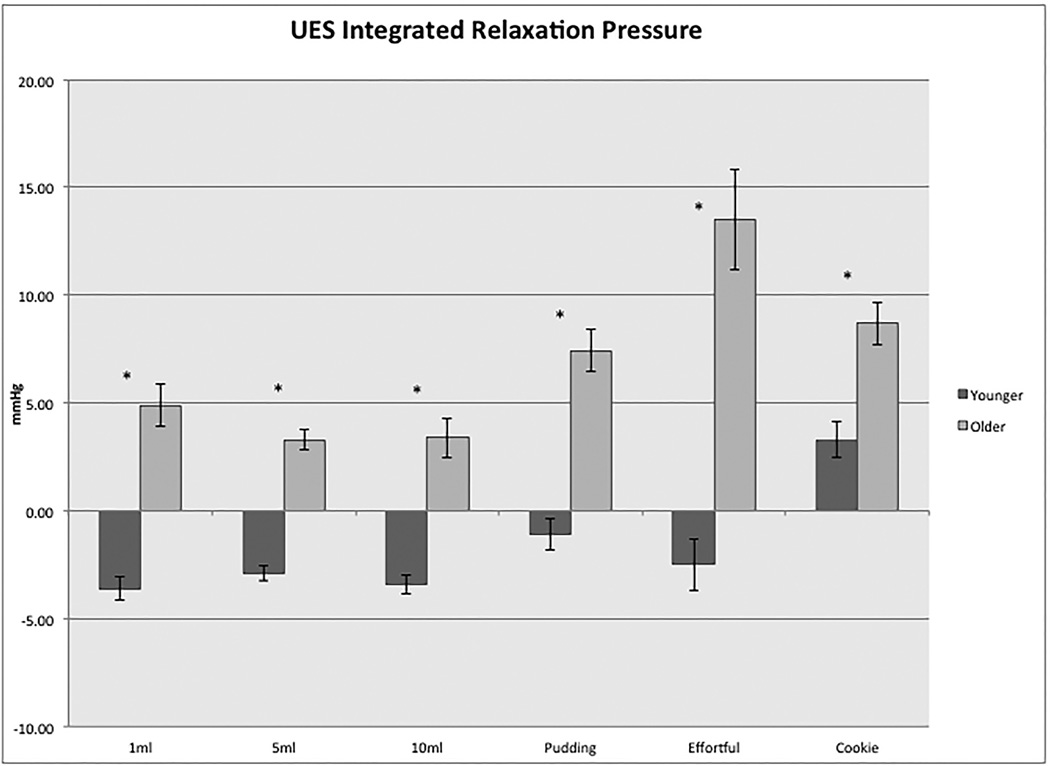
Older individuals exhibited more vigorous contractility in the pharynx than did younger subjects with all bolus types, but the greatest values for both groups were with effortful swallow and on that measure the age groups were similar. Upper esophageal sphincter (UES) intrabolus pressure during sphincter opening was also greater in the older subjects. Some gender differences were observed, particularly related to proximal esophageal contractile vigor. Bolus consistency had no consistent effect. Studies using the larger catheter diameter resulted in significantly greater contractile vigor in the UES and proximal esophagus.
CONCLUSIONS & INFERENCES: Older adults exhibited more vigorous pharyngeal contractions than young adults, albeit within a similar range of capacity, perhaps reflecting a compensatory response to other age-related physiological changes. Greater UES intrabolus pressures observed during bolus transit in the older group likely reflect reduced UES compliance with age. Normative data on novel HRM metrics collected in this study can serve as a reference for future clinical studies.
我们旨在确定高分辨率咽食管测压造影新压力地形图指标的标准值。研究了年龄、性别和食团特性的影响。
从22名年轻(21 - 40岁)和22名年长(60 - 80岁)健康受试者中收集同步高分辨率测压(HRM)和视频荧光透视数据。通过将压力域与视频荧光透视事件相关联来分析压力地形图。提取了咽和食管近端吞咽的九个压力地形图指标;其中四个指标还与先前获得的食管HRM研究进行了比较,以评估导管直径的影响。
在所有食团类型中,年长个体咽部的收缩力比年轻受试者更强,但两组在用力吞咽时的值最大,且在该指标上年龄组相似。年长受试者在括约肌开放期间上食管括约肌(UES)食团内压力也更高。观察到一些性别差异,特别是与食管近端收缩力有关。食团稠度没有一致的影响。使用较大导管直径的研究导致UES和食管近端的收缩力明显更强。
老年人咽部收缩比年轻人更有力,尽管在相似的能力范围内,这可能反映了对其他与年龄相关的生理变化的代偿反应。在年长组中,食团通过UES期间观察到更高的UES食团内压力,这可能反映了UES顺应性随年龄降低。本研究中收集的关于新HRM指标的标准数据可为未来临床研究提供参考。