Gulliver CNRS ESPCI, UMR7083, MMN, 10 rue Vauquelin, 75005 Paris, France.
SIS2M-LIONS CEA CNRS, UMR 3299, CEA Saclay, 91191 Gif-sur-Yvette, France.
Diagnostics (Basel). 2013 Jan 15;3(1):33-67. doi: 10.3390/diagnostics3010033.
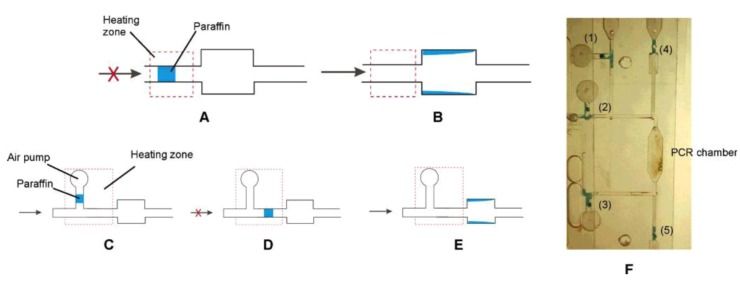
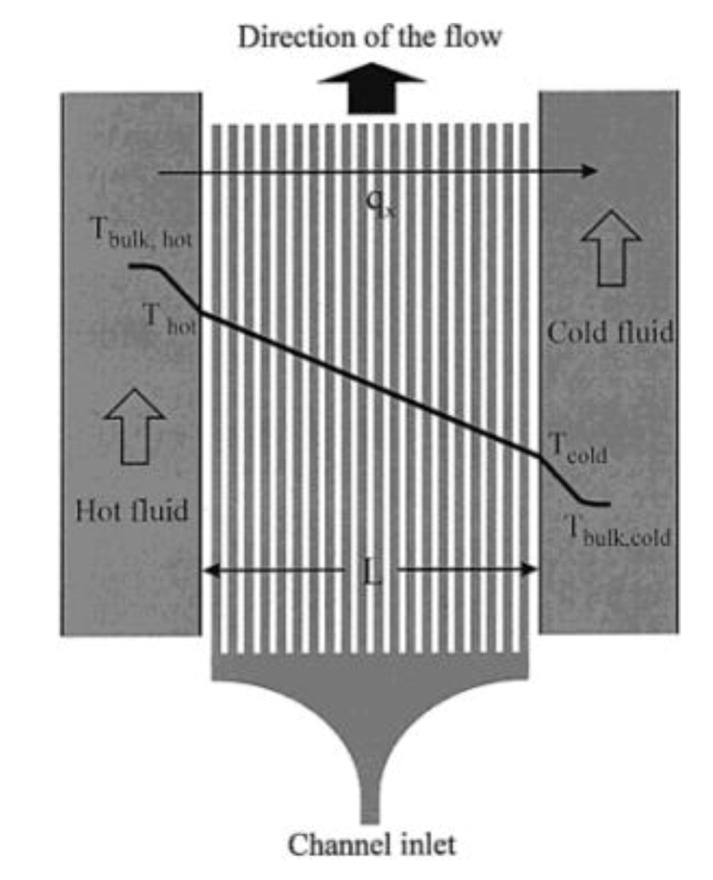
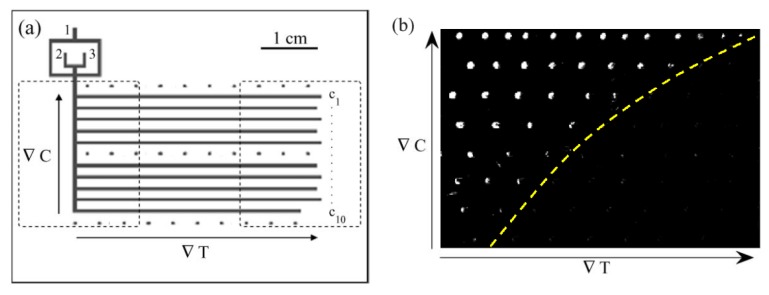
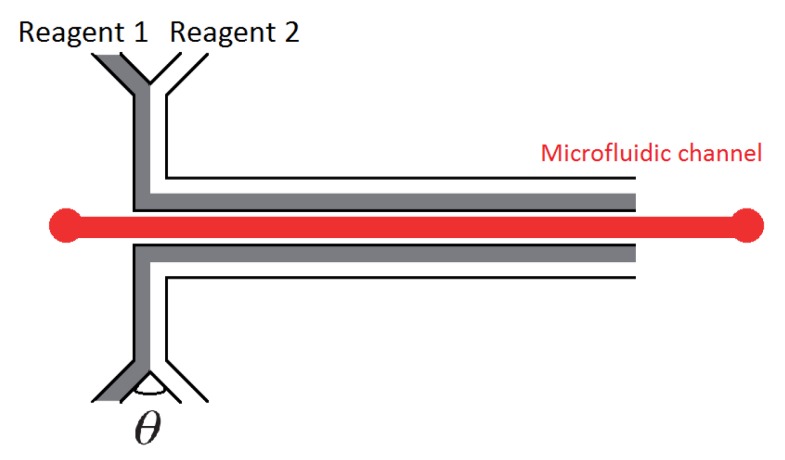
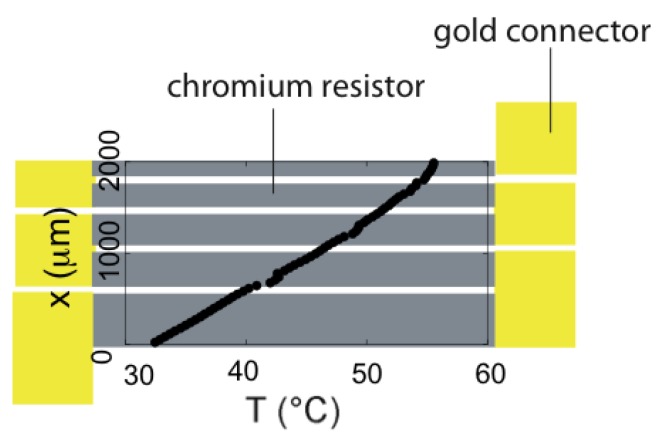
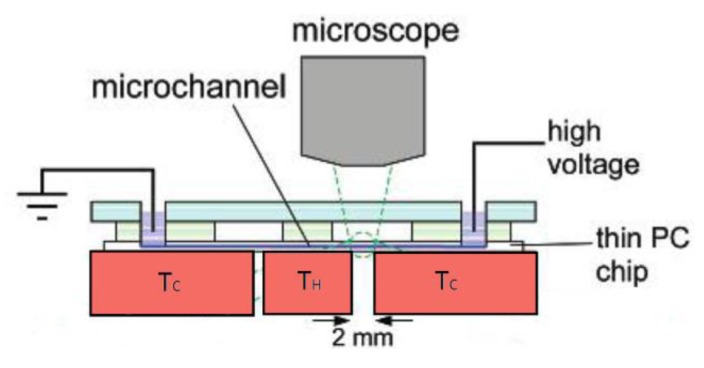
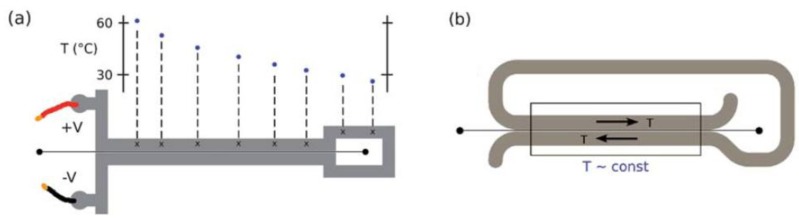
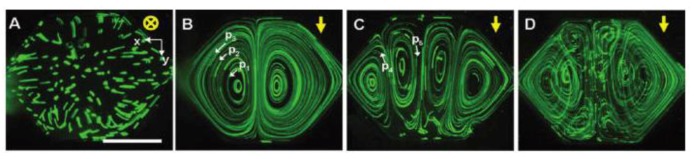
This review presents an overview of the different techniques developed over the last decade to regulate the temperature within microfluidic systems. A variety of different approaches has been adopted, from external heating sources to Joule heating, microwaves or the use of lasers to cite just a few examples. The scope of the technical solutions developed to date is impressive and encompasses for instance temperature ramp rates ranging from 0.1 to 2,000 °C/s leading to homogeneous temperatures from -3 °C to 120 °C, and constant gradients from 6 to 40 °C/mm with a fair degree of accuracy. We also examine some recent strategies developed for applications such as digital microfluidics, where integration of a heating source to generate a temperature gradient offers control of a key parameter, without necessarily requiring great accuracy. Conversely, Temperature Gradient Focusing requires high accuracy in order to control both the concentration and separation of charged species. In addition, the Polymerase Chain Reaction requires both accuracy (homogeneous temperature) and integration to carry out demanding heating cycles. The spectrum of applications requiring temperature regulation is growing rapidly with increasingly important implications for the physical, chemical and biotechnological sectors, depending on the relevant heating technique.
这篇综述介绍了过去十年中开发的各种不同技术,以调节微流控系统内的温度。已经采用了多种不同的方法,从外部加热源到焦耳加热、微波或激光使用,仅举几个例子。迄今为止开发的技术解决方案的范围令人印象深刻,例如温度上升率从 0.1 到 2000°C/s,导致从-3°C到 120°C的均匀温度,以及 6 到 40°C/mm 的恒定梯度,具有相当的精度。我们还研究了一些最近为数字微流控等应用开发的策略,其中集成加热源以产生温度梯度可以控制关键参数,而不一定需要很高的精度。相反,温度梯度聚焦需要高精度才能控制带电物质的浓度和分离。此外,聚合酶链反应既需要精度(均匀温度)又需要集成才能执行苛刻的加热循环。需要温度调节的应用范围正在迅速扩大,对物理、化学和生物技术领域产生越来越重要的影响,这取决于相关的加热技术。