Flis Damian Jozef, Olek Robert Antoni, Kaczor Jan Jacek, Rodziewicz Ewa, Halon Malgorzata, Antosiewicz Jedrzej, Wozniak Michal, Gabbianelli Rosita, Ziolkowski Wieslaw
Department of Bioenergetics and Physiology of Exercise, Medical University of Gdansk, 80-210 Gdansk, Poland; Department of Bioenergetics and Nutrition, Gdansk University of Physical Education and Sport, 80-336 Gdansk, Poland.
Department of Bioenergetics and Nutrition, Gdansk University of Physical Education and Sport, 80-336 Gdansk, Poland.
Oxid Med Cell Longev. 2016;2016:3620929. doi: 10.1155/2016/3620929. Epub 2015 Dec 29.
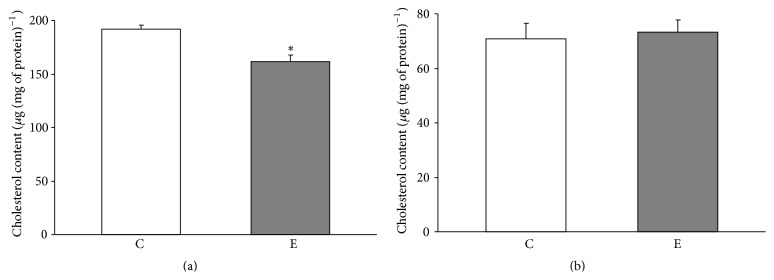
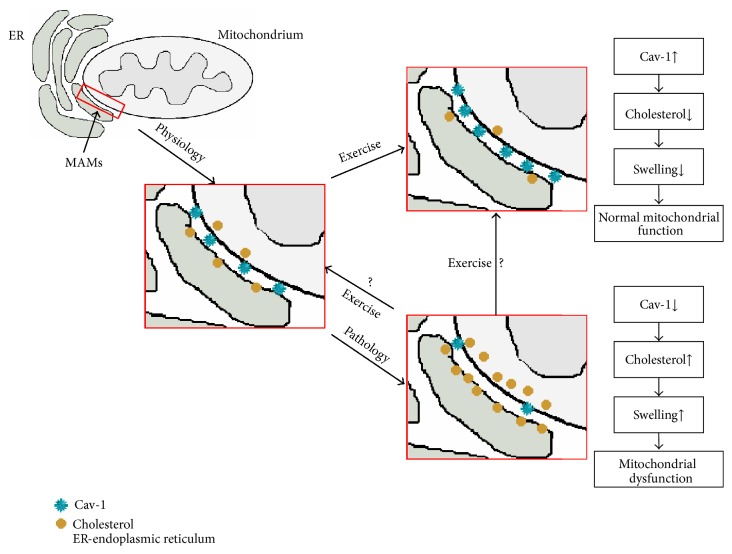
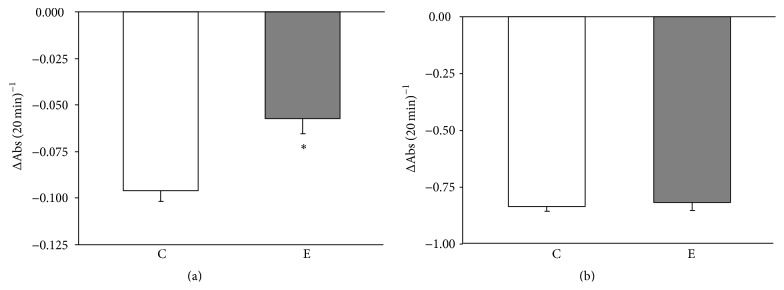
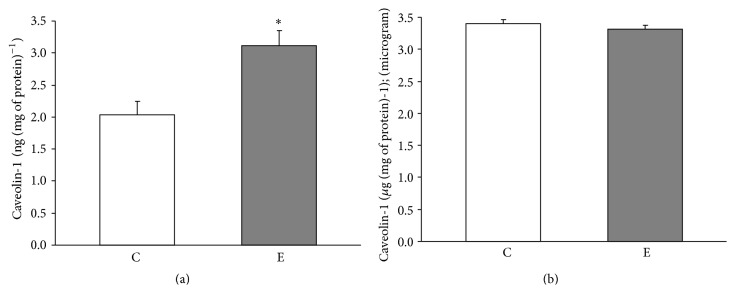
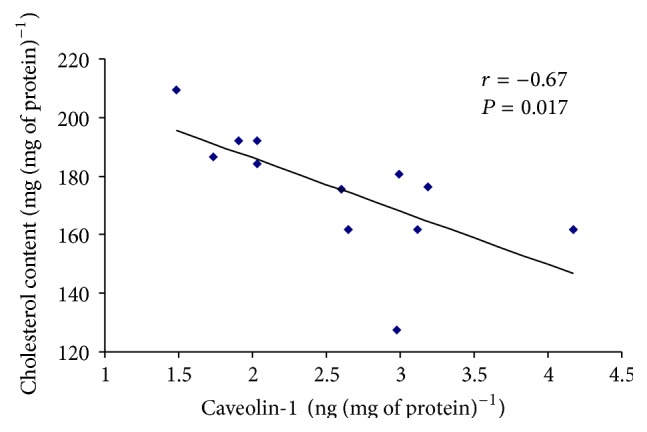
The reduction in cholesterol in mitochondria, observed after exercise, is related to the inhibition of mitochondrial swelling. Caveolin-1 (Cav-1) plays an essential role in the regulation of cellular cholesterol metabolism and is required by various signalling pathways. Therefore, the aim of this study was to investigate the effect of prolonged swimming on the mitochondrial Cav-1 concentration; additionally, we identified the results of these changes as they relate to the induction of changes in the mitochondrial swelling and cholesterol in rat skeletal muscle and liver. Male Wistar rats were divided into a sedentary control group and an exercise group. The exercised rats swam for 3 hours and were burdened with an additional 3% of their body weight. After the cessation of exercise, their quadriceps femoris muscles and livers were immediately removed for experimentation. The exercise protocol caused an increase in the Cav-1 concentration in crude muscle mitochondria; this was related to a reduction in the cholesterol level and an inhibition of mitochondrial swelling. There were no changes in rat livers, with the exception of increased markers of oxidative stress in mitochondria. These data indicate the possible role of Cav-1 in the adaptive change in the rat muscle mitochondria following exercise.
运动后观察到的线粒体中胆固醇的减少与线粒体肿胀的抑制有关。小窝蛋白-1(Cav-1)在细胞胆固醇代谢的调节中起重要作用,并且是各种信号通路所必需的。因此,本研究的目的是探讨长时间游泳对线粒体Cav-1浓度的影响;此外,我们确定了这些变化的结果,因为它们与大鼠骨骼肌和肝脏中线粒体肿胀和胆固醇变化的诱导有关。雄性Wistar大鼠分为久坐对照组和运动组。运动的大鼠游泳3小时,并额外负重其体重的3%。运动停止后,立即取出它们的股四头肌和肝脏进行实验。运动方案导致粗肌线粒体中Cav-1浓度增加;这与胆固醇水平的降低和线粒体肿胀的抑制有关。大鼠肝脏没有变化,除了线粒体中氧化应激标志物增加。这些数据表明Cav-1在运动后大鼠肌肉线粒体适应性变化中的可能作用。