Department of Chemistry and Medical Chemistry, College of Science and Technology, Yonsei University, #326, Changjo-hall, Wonju Campus, Yonseidaegil 1, Heungeop-myeon, Wonju, Gangwondo 26493 Republic of Korea.
Postharvest Research Team, National Institute of Horticultural and Herbal Science (NIHHS) of RDA, Wanju, Jeollabukdo 55365 Republic of Korea.
Biomater Res. 2016 Feb 10;20:1. doi: 10.1186/s40824-016-0048-4. eCollection 2016.
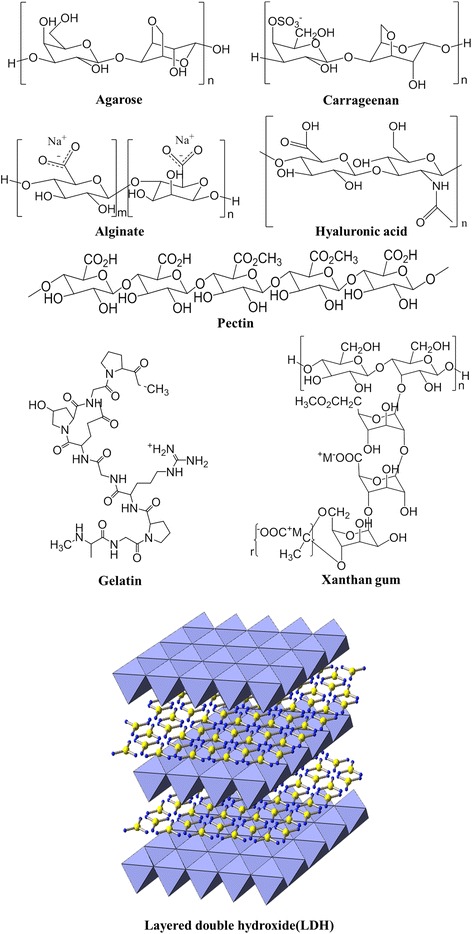
In order to obtain biomaterials with controllable physicochemical properties, hybrid biomaterials composed of biocompatible biopolymers and ceramic nanoparticles have attracted interests. In this study, we prepared biopolymer/ceramic hybrids consisting of various natural biopolymers and layered double hydroxide (LDH) ceramic nanoparticles via an electrophoretic method. We studied the structures and controlled-release properties of these materials.
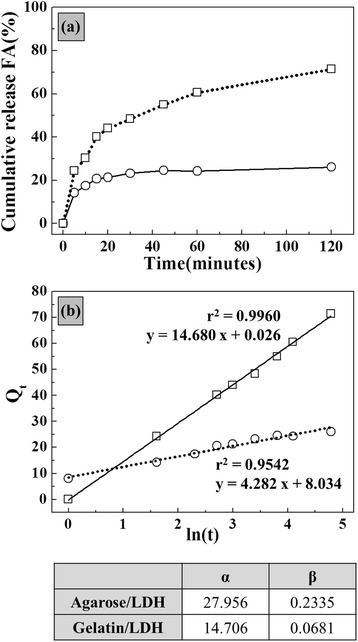
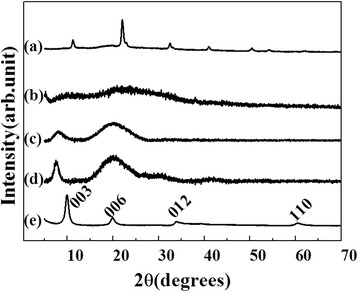
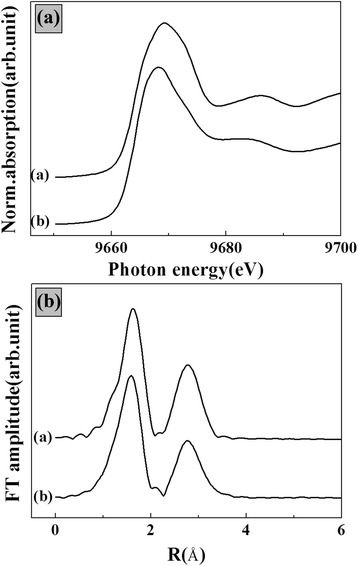
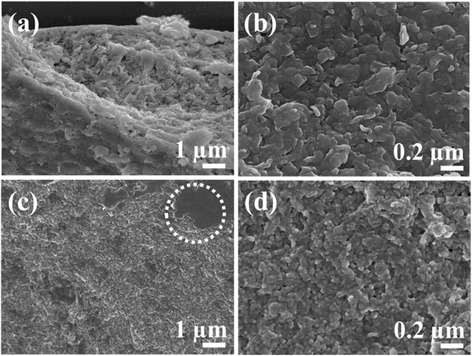
X-ray diffraction (XRD) patterns and X-ray absorption spectra (XAS) showed that LDH nanoparticles were formed in a biopolymer hydrogel through electrophoretic reaction. Scanning electron microscopic (SEM) images showed that the ceramic nanoparticles were homogeneously distributed throughout the hydrogel matrix. An antioxidant agent (i.e., ferulic acid) was loaded onto agarose/LDH and gelatin/LDH hybrids, and the time-dependent release of ferulic acid was investigated via high-performance liquid chromatography (HPLC) for kinetic model fitting.
Biopolymer/LDH hybrid materials that were prepared by electrophoretic method created a homogeneous composite of two components and possessed controllable drug release properties according to the type of biopolymer.
为了获得具有可控物理化学性质的生物材料,由生物相容性生物聚合物和陶瓷纳米粒子组成的杂化生物材料引起了人们的兴趣。在这项研究中,我们通过电泳法制备了由各种天然生物聚合物和层状双氢氧化物(LDH)陶瓷纳米粒子组成的生物聚合物/陶瓷杂化材料。我们研究了这些材料的结构和控制释放性能。
X 射线衍射(XRD)图谱和 X 射线吸收光谱(XAS)表明,LDH 纳米粒子通过电泳反应形成在生物聚合物水凝胶中。扫描电子显微镜(SEM)图像表明,陶瓷纳米粒子均匀分布在水凝胶基质中。将抗氧化剂(即阿魏酸)负载到琼脂糖/LDH 和明胶/LDH 杂化材料上,并通过高效液相色谱法(HPLC)进行动力学模型拟合,研究了阿魏酸的时控释放。
通过电泳法制备的生物聚合物/LDH 杂化材料形成了两种成分的均匀复合材料,并具有根据生物聚合物类型控制药物释放的性能。