Paßlack Nadine, Schmiedchen Bettina, Raila Jens, Schweigert Florian J, Stumpff Friederike, Kohn Barbara, Neumann Konrad, Zentek Jürgen
Institute of Animal Nutrition, Department of Veterinary Medicine, Freie Universität Berlin, Königin-Luise-Str. 49, 14195, Berlin, Germany.
Institute of Nutritional Science, University of Potsdam, Arthur-Scheunert-Allee 114-116, 14558, Bergholz-Rehbrücke, Germany.
PLoS One. 2016 Feb 12;11(2):e0149190. doi: 10.1371/journal.pone.0149190. eCollection 2016.
Dietary calcium (Ca) concentrations might affect regulatory pathways within the Ca and vitamin D metabolism and consequently excretory mechanisms. Considering large variations in Ca concentrations of feline diets, the physiological impact on Ca homeostasis has not been evaluated to date. In the present study, diets with increasing concentrations of dicalcium phosphate were offered to ten healthy adult cats (Ca/phosphorus (P): 6.23/6.02, 7.77/7.56, 15.0/12.7, 19.0/17.3, 22.2/19.9, 24.3/21.6 g/kg dry matter). Each feeding period was divided into a 10-day adaptation and an 8-day sampling period in order to collect urine and faeces. On the last day of each feeding period, blood samples were taken.
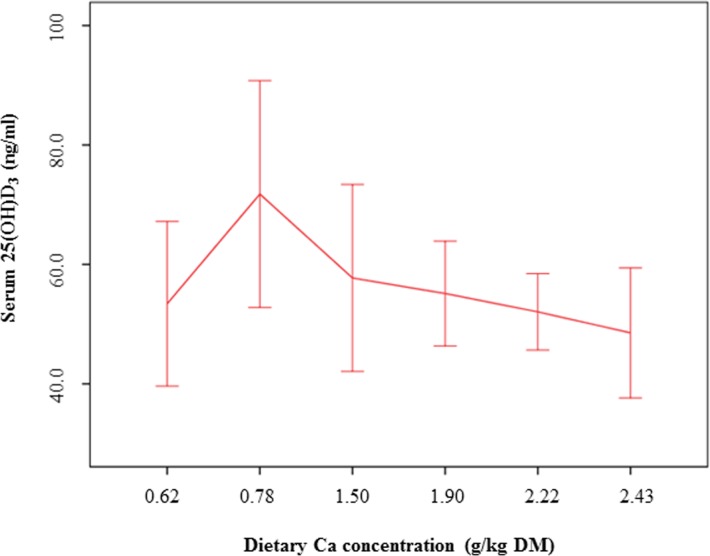
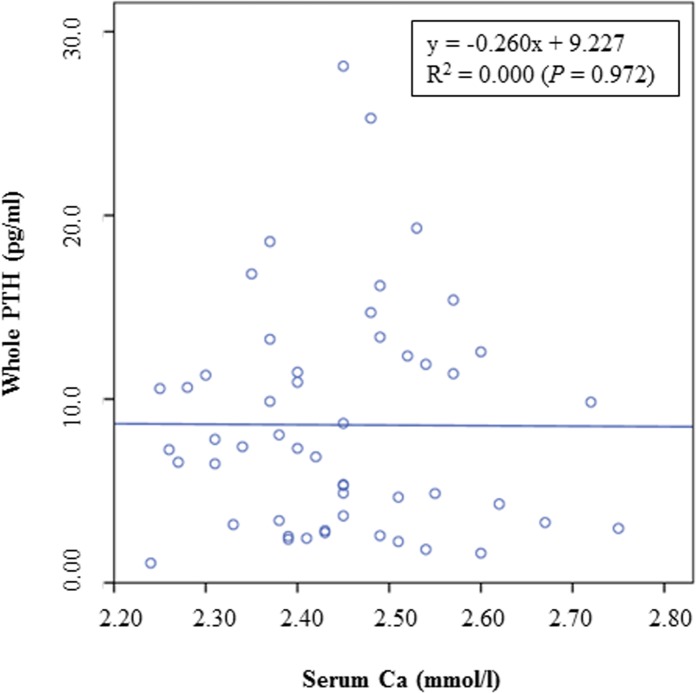
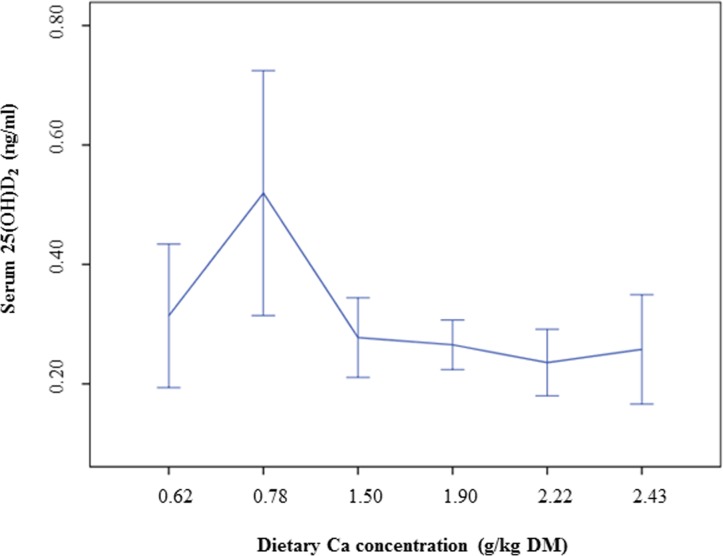
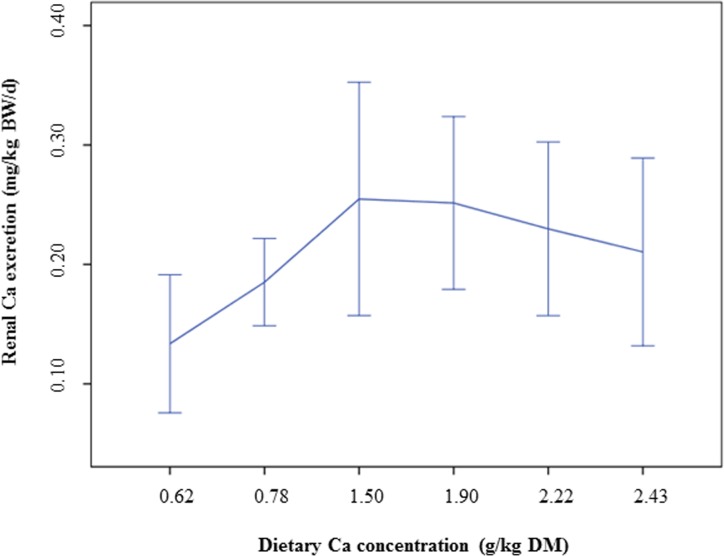
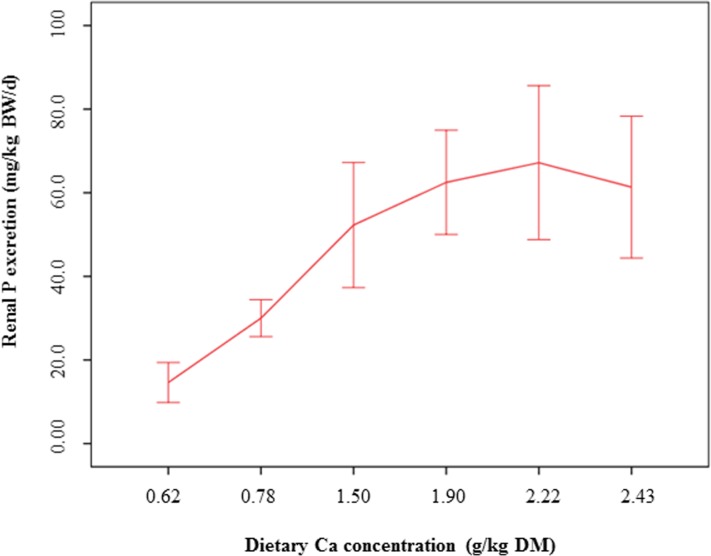
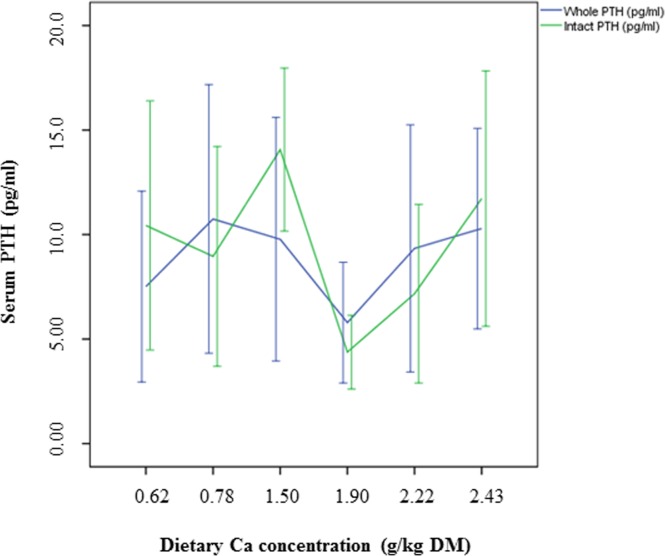
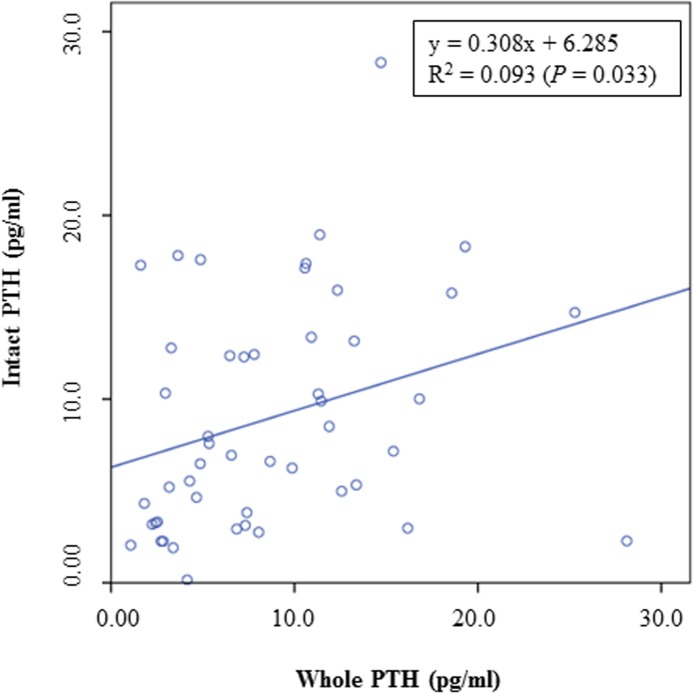
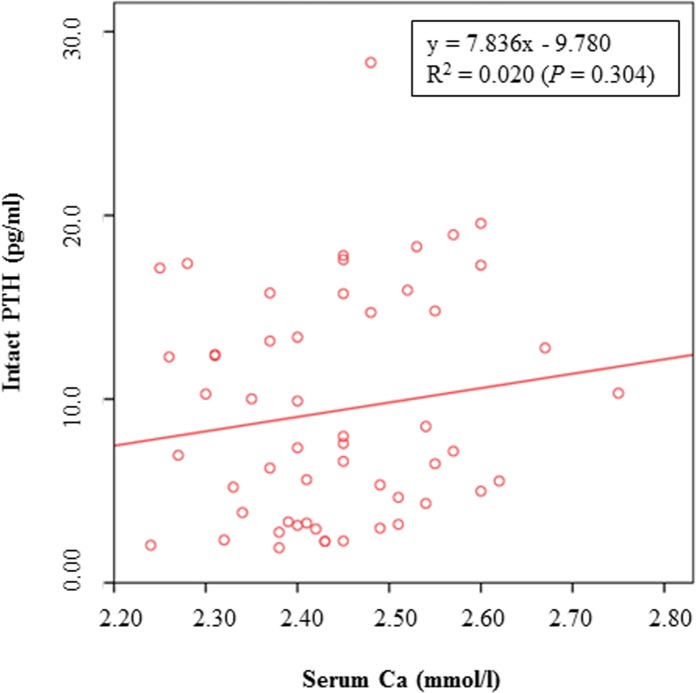
Urinary Ca concentrations remained unaffected, but faecal Ca concentrations increased (P < 0.001) with increasing dietary Ca levels. No effect on whole and intact parathyroid hormone levels, fibroblast growth factor 23 and calcitriol concentrations in the blood of the cats were observed. However, the calcitriol precursors 25(OH)D2 and 25(OH)D3, which are considered the most useful indicators for the vitamin D status, decreased with higher dietary Ca levels (P = 0.013 and P = 0.033). Increasing dietary levels of dicalcium phosphate revealed an acidifying effect on urinary fasting pH (6.02) and postprandial pH (6.01) (P < 0.001), possibly mediated by an increase of urinary phosphorus (P) concentrations (P < 0.001).
In conclusion, calcitriol precursors were linearly affected by increasing dietary Ca concentrations. The increase in faecal Ca excretion indicates that Ca homeostasis of cats is mainly regulated in the intestine and not by the kidneys. Long-term studies should investigate the physiological relevance of the acidifying effect observed when feeding diets high in Ca and P.
膳食钙(Ca)浓度可能会影响钙和维生素D代谢中的调节途径,进而影响排泄机制。考虑到猫科动物饮食中钙浓度的巨大差异,迄今为止尚未评估其对钙稳态的生理影响。在本研究中,向十只健康成年猫提供了磷酸氢钙浓度不断增加的饮食(钙/磷(P):6.23/6.02、7.77/7.56、15.0/12.7、19.0/17.3、22.2/19.9、24.3/21.6 g/kg干物质)。每个喂食期分为10天的适应期和8天的采样期,以便收集尿液和粪便。在每个喂食期的最后一天采集血样。
随着饮食中钙水平的升高,尿钙浓度未受影响,但粪便钙浓度增加(P < 0.001)。未观察到对猫血液中全甲状旁腺激素和完整甲状旁腺激素水平、成纤维细胞生长因子23和骨化三醇浓度的影响。然而,被认为是维生素D状态最有用指标的骨化三醇前体25(OH)D2和25(OH)D3,随着饮食中钙水平的升高而降低(P = 0.013和P = 0.033)。增加磷酸氢钙的饮食水平显示出对尿空腹pH(6.02)和餐后pH(6.01)有酸化作用(P < 0.001),这可能是由尿磷(P)浓度的增加介导的(P < 0.001)。
总之,骨化三醇前体受到饮食中钙浓度增加的线性影响。粪便钙排泄的增加表明猫的钙稳态主要在肠道而非肾脏中调节。长期研究应调查喂食高钙和高磷饮食时观察到的酸化作用的生理相关性。