Hossain Mohammad Faruk, Park Jae Y
Department of Electronic Engineering, Micro/Nano Devices &packaging Lab., Kwangwoon University, 447-1, Wolgye-Dong, Nowon Gu, Seoul, 139-701, Korea.
Sci Rep. 2016 Feb 15;6:21009. doi: 10.1038/srep21009.
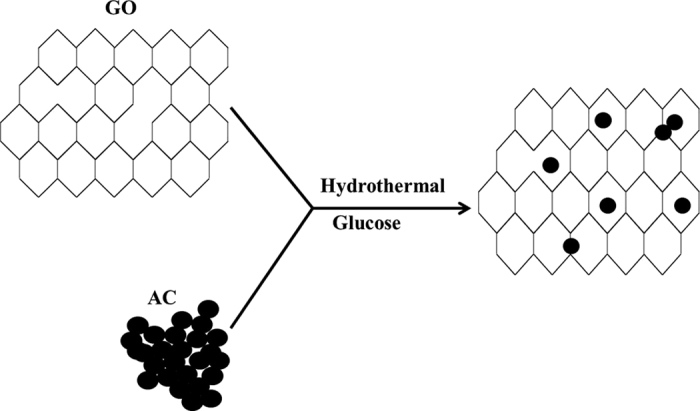
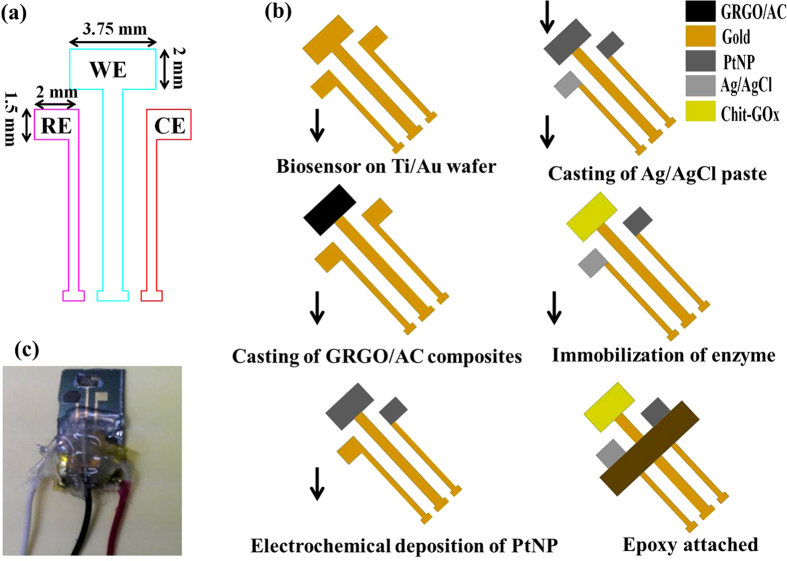
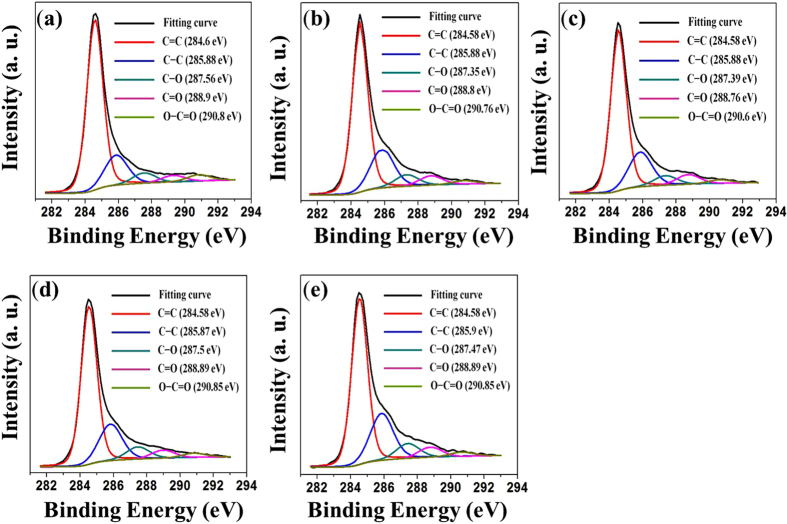
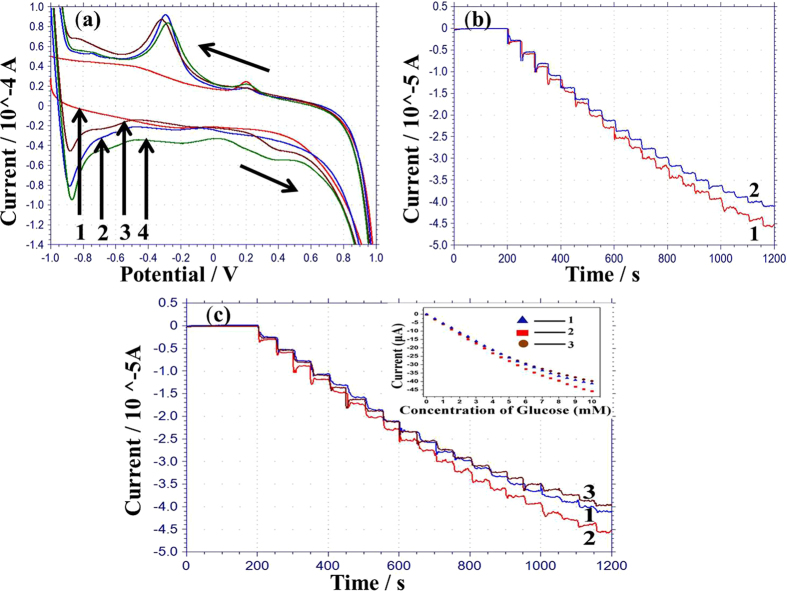
In this study, a hydrothermal technique was applied to synthesize glucose-treated reduced graphene oxide-activated carbon (GRGO/AC) composites. Platinum nanoparticles (PtNP) were electrochemically deposited on the modified GRGO/AC surface, and chitosan-glucose oxidase (Chit-GOx) composites and nafion were integrated onto the modified surface of the working electrode to prepare a highly sensitive glucose sensor. The fabricated biosensor exhibited a good amperometric response to glucose in the detection range from 0.002 mM to 10 mM, with a sensitivity of 61.06 μA/mMcm(2), a short response time (4 s) and a low detection limit of 2 μM (signal to noise ratio is 3). The glucose sensor exhibited a negligible response to interference and good stability. In addition, the glucose levels in human urine were tested in order to conduct a practical assessment of the proposed sensor, and the results indicate that the sensor had superior urine glucose recognition. These results thus demonstrate that the noble nano-structured electrode with a high surface area and electrocatalytic activity offers great promise for use in urine glucose sensing applications.
在本研究中,采用水热技术合成了葡萄糖处理的还原氧化石墨烯-活性炭(GRGO/AC)复合材料。通过电化学方法将铂纳米颗粒(PtNP)沉积在改性的GRGO/AC表面,并将壳聚糖-葡萄糖氧化酶(Chit-GOx)复合材料和纳夫ion整合到工作电极的改性表面上,制备了一种高灵敏度的葡萄糖传感器。所制备的生物传感器在0.002 mM至10 mM的检测范围内对葡萄糖表现出良好的安培响应,灵敏度为61.06 μA/mMcm²,响应时间短(4 s),检测限低至2 μM(信噪比为3)。该葡萄糖传感器对干扰的响应可忽略不计,且具有良好的稳定性。此外,为了对所提出的传感器进行实际评估,对人体尿液中的葡萄糖水平进行了测试,结果表明该传感器具有优异的尿液葡萄糖识别能力。因此,这些结果表明,具有高表面积和电催化活性的贵金属纳米结构电极在尿液葡萄糖传感应用中具有巨大的应用前景。