Krishnan Siva Kumar, Singh Eric, Singh Pragya, Meyyappan Meyya, Nalwa Hari Singh
CONACYT-Instituto de Física, Benemérita Universidad Autónoma de Puebla Apdo. Postal J-48 Puebla 72570 Mexico.
Department of Computer Science, Stanford University Stanford California 94305 USA.
RSC Adv. 2019 Mar 18;9(16):8778-8881. doi: 10.1039/c8ra09577a. eCollection 2019 Mar 15.
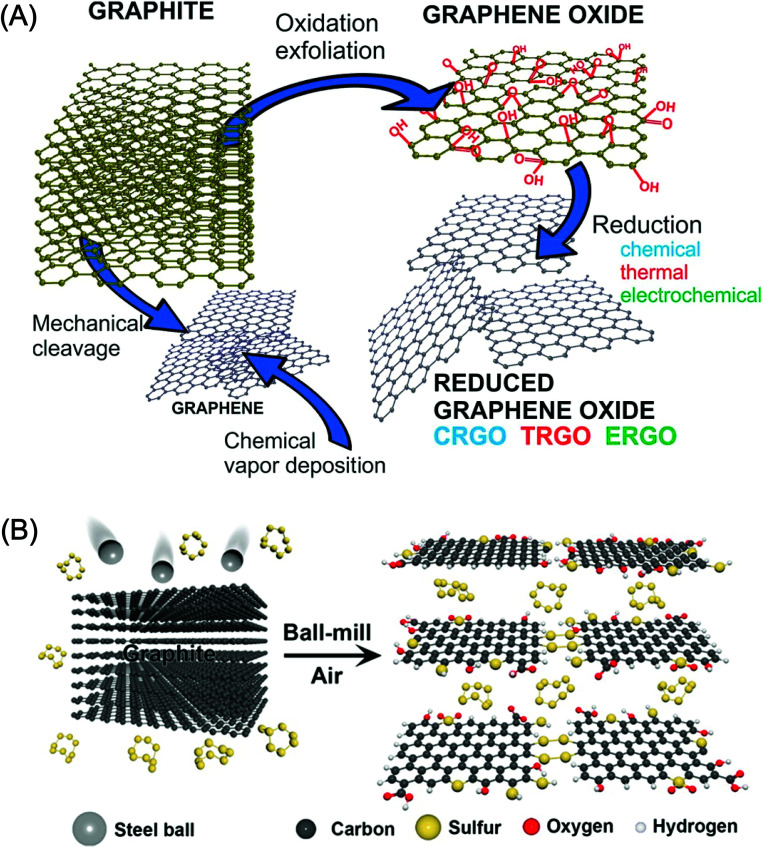
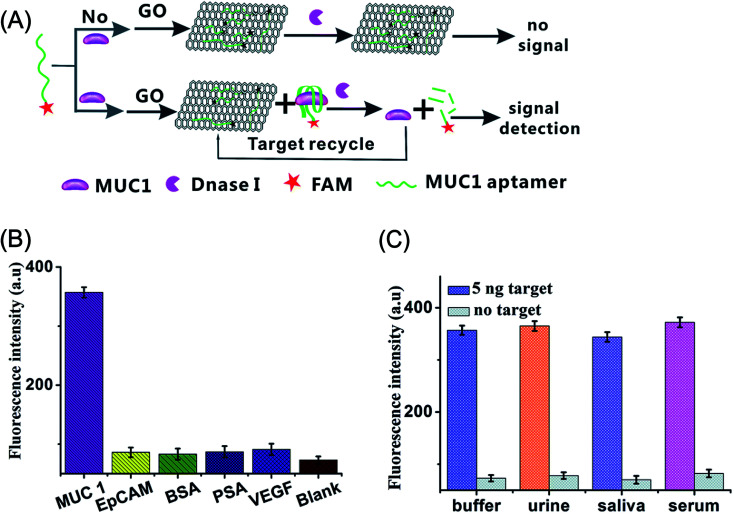
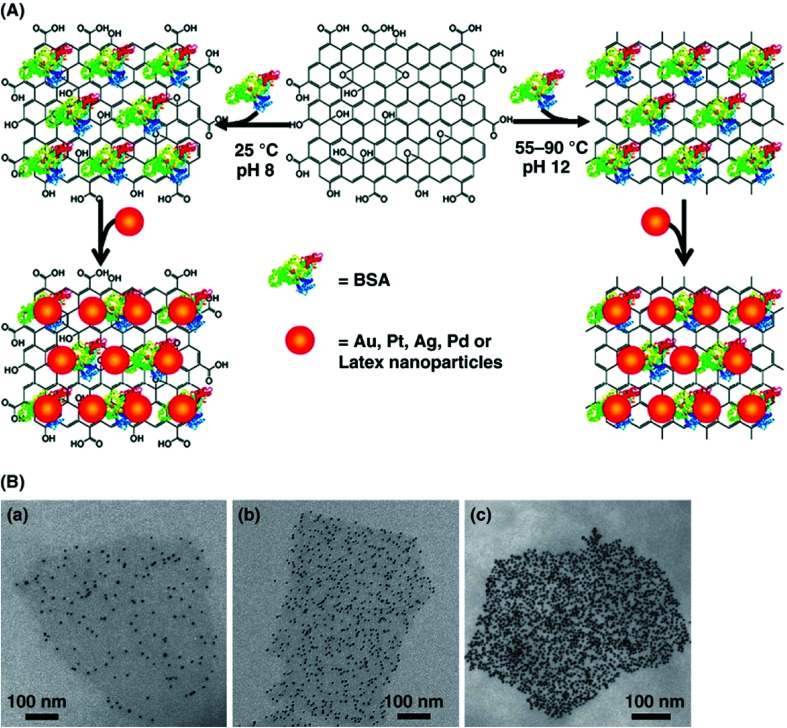
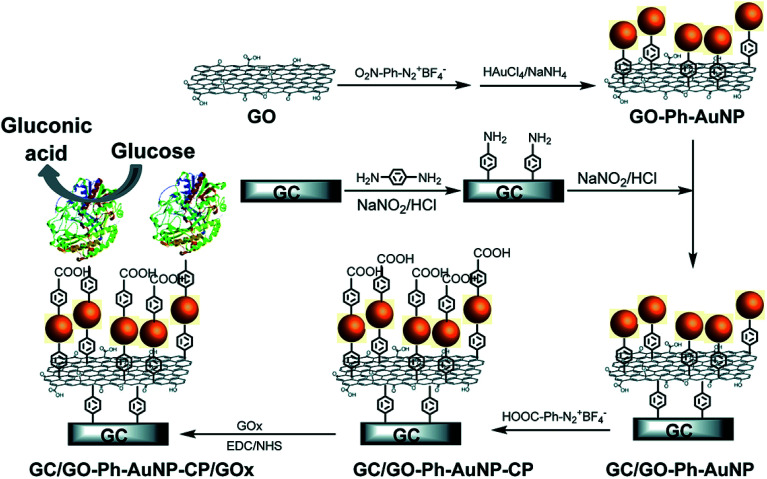
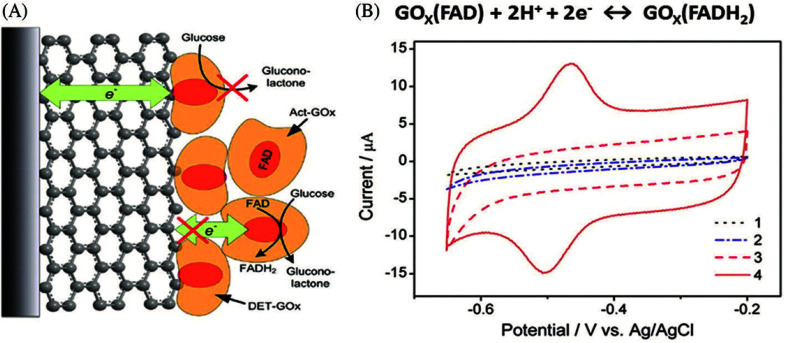
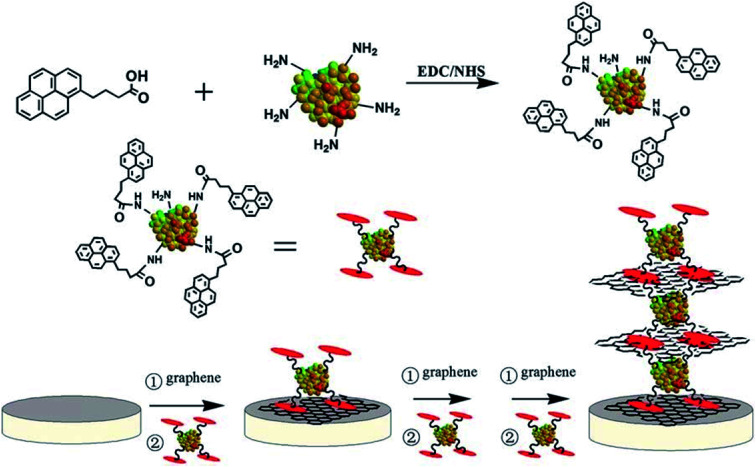
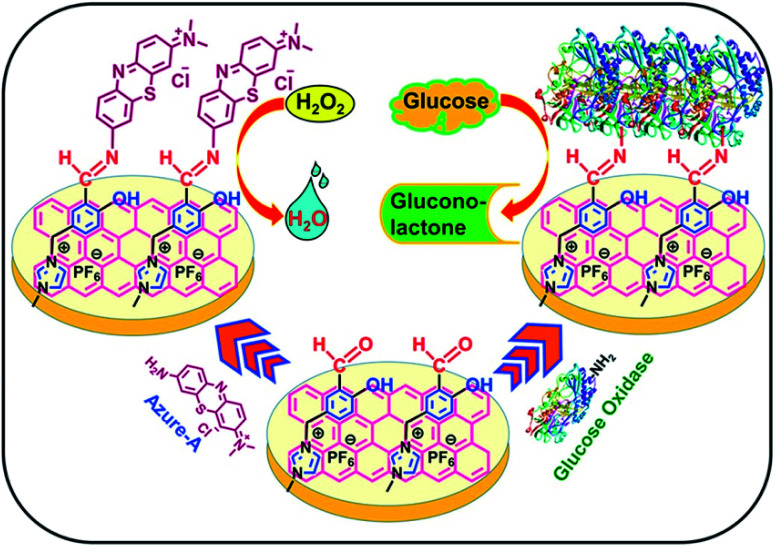
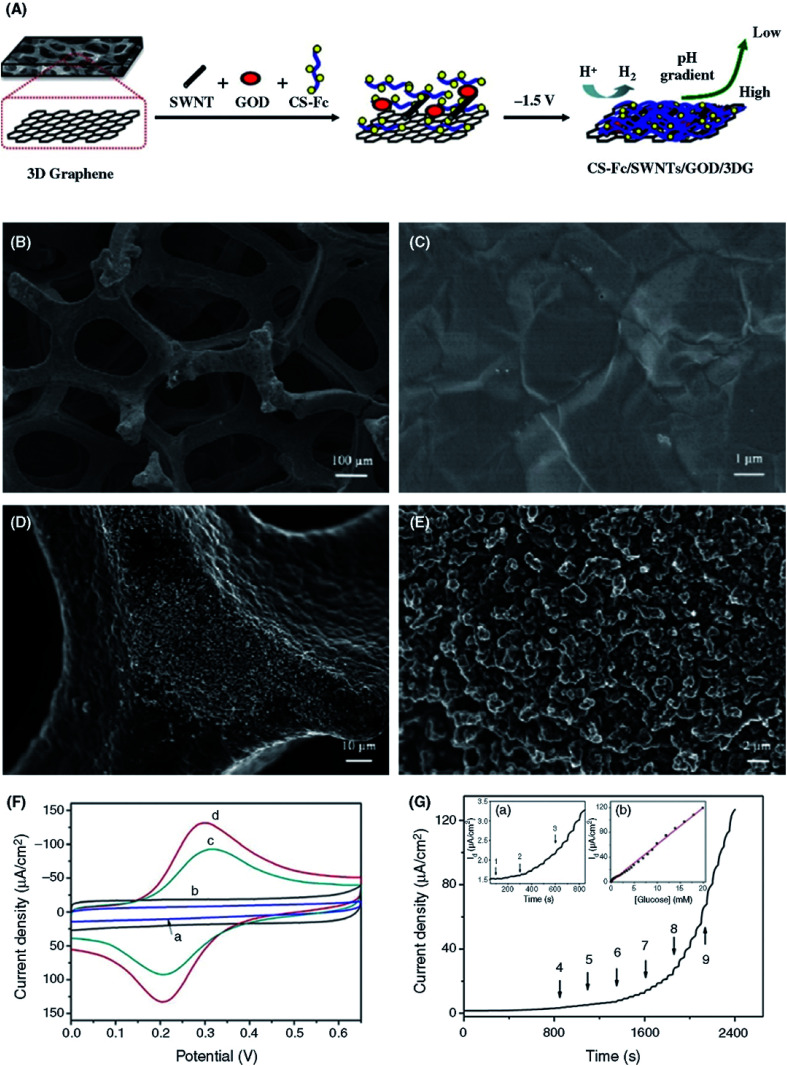
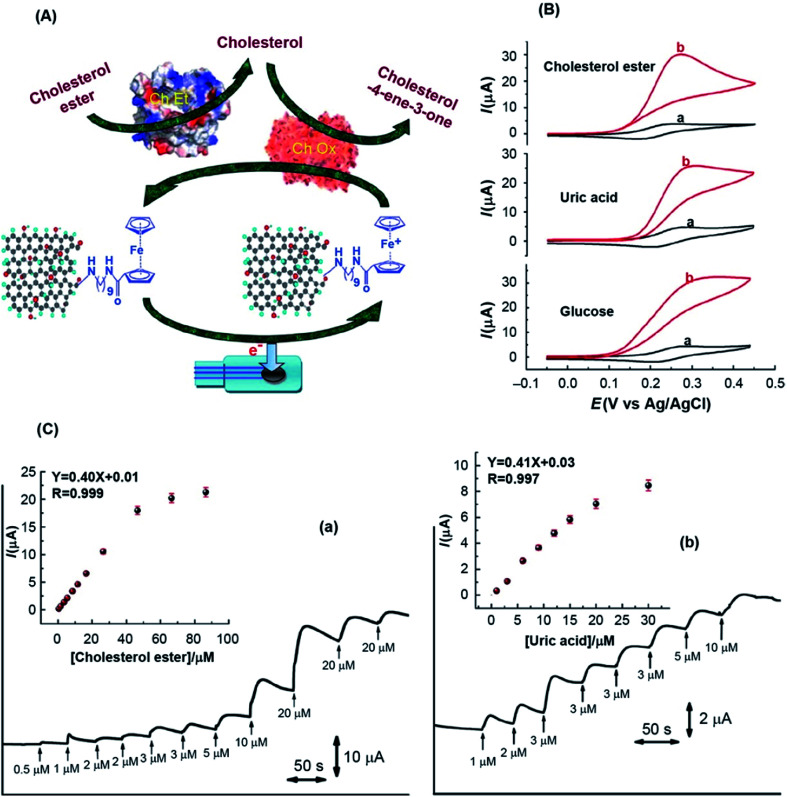
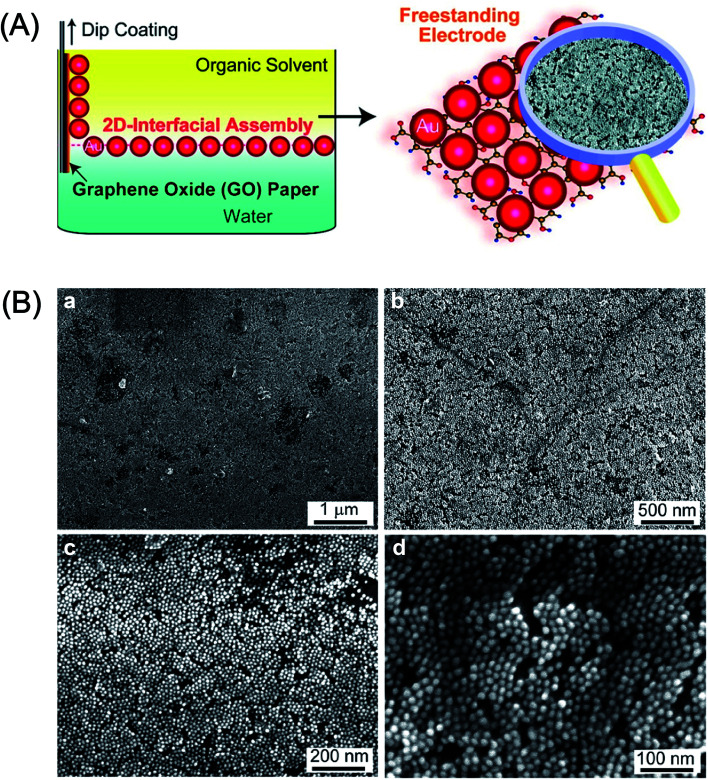
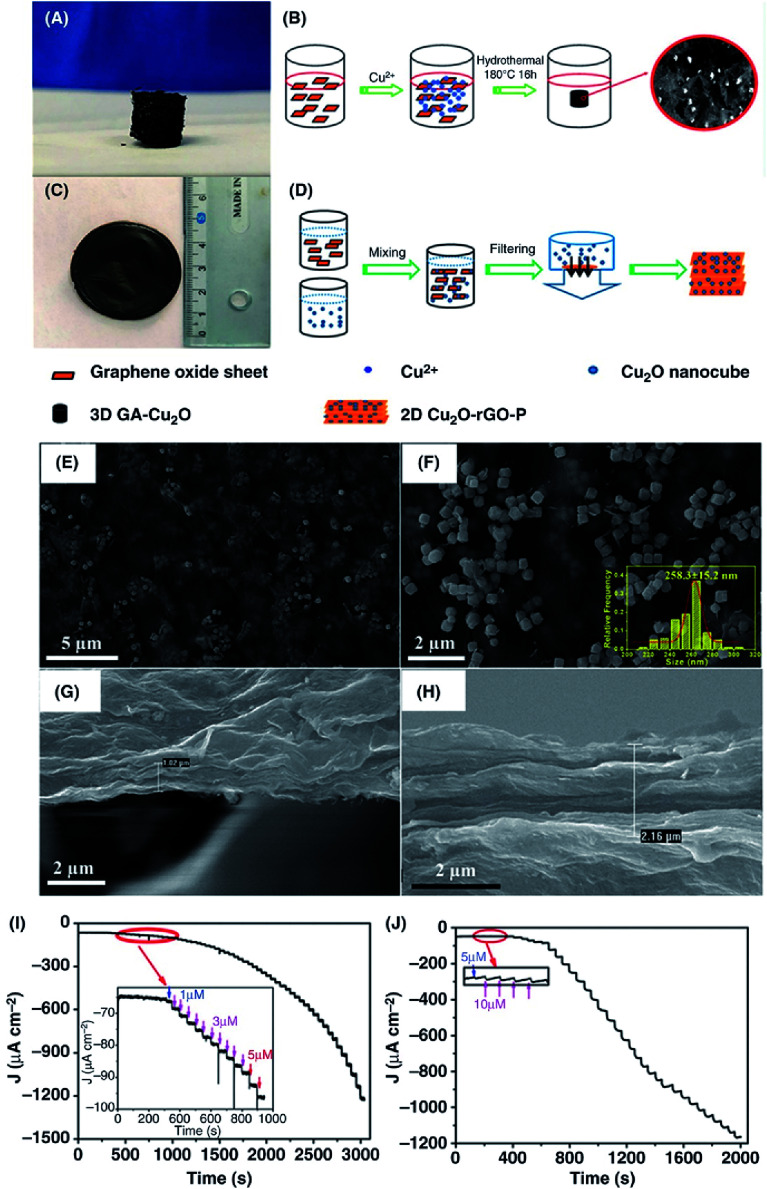
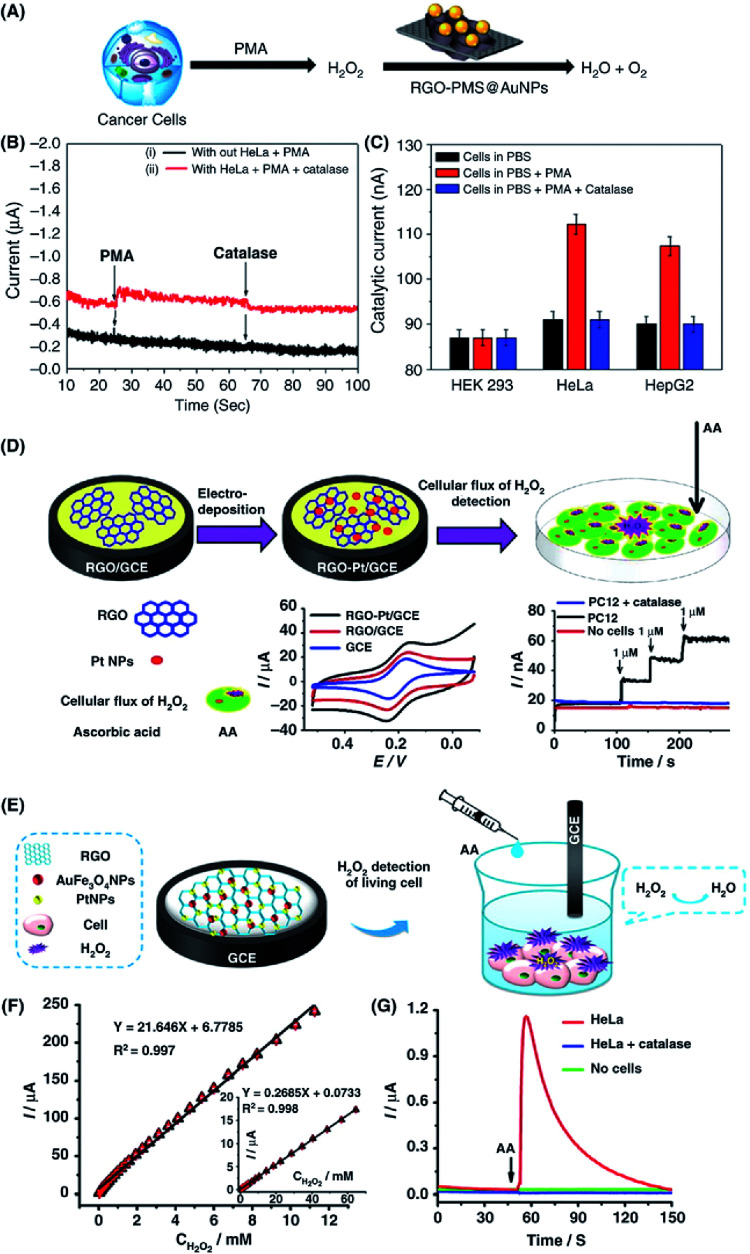
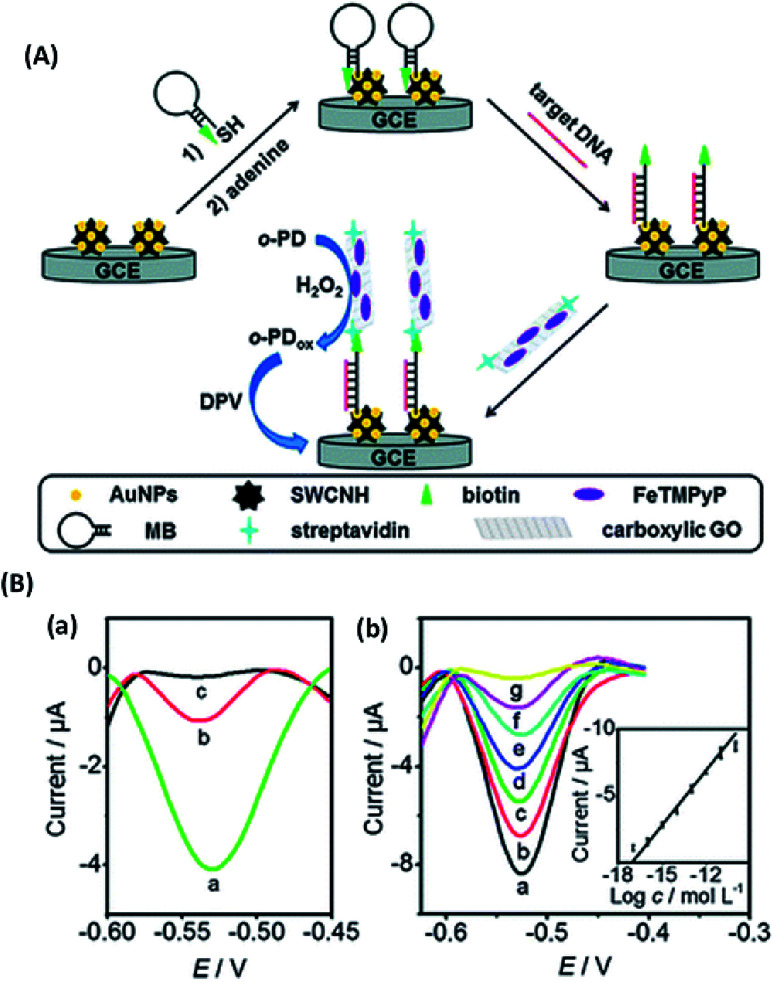
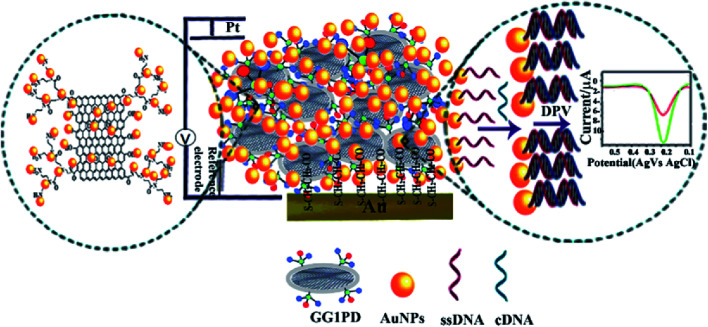
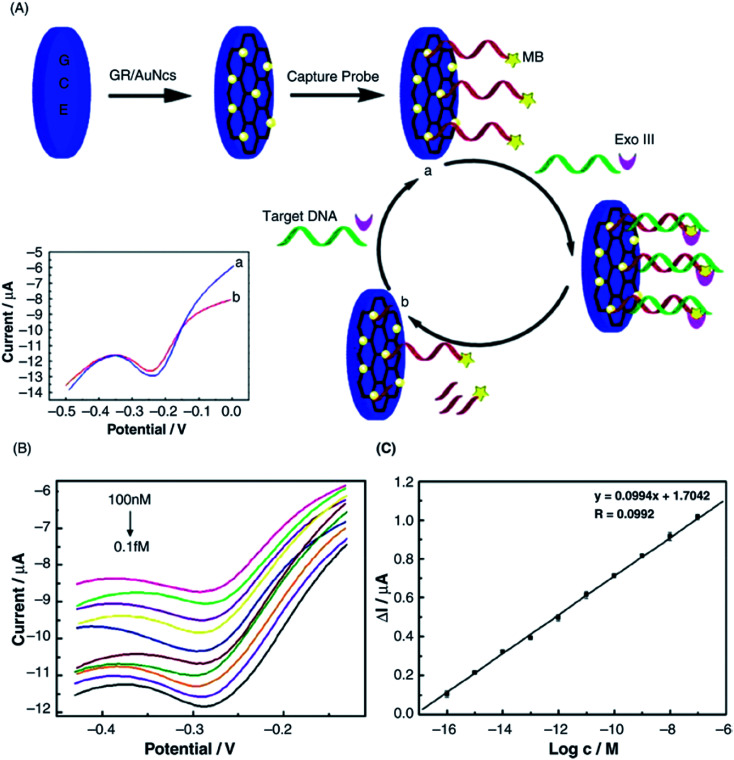
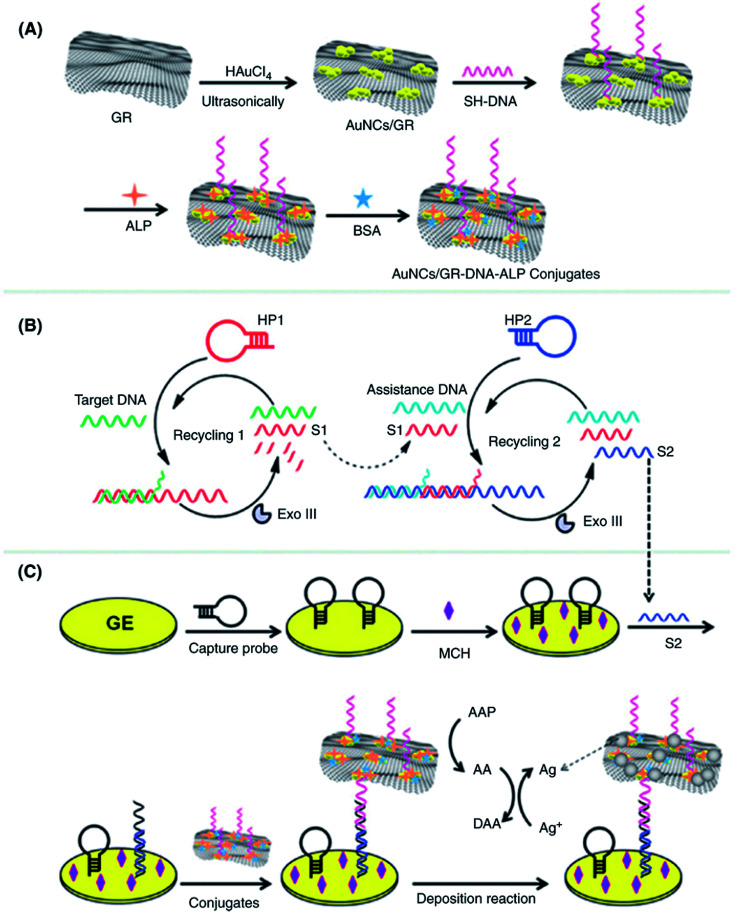
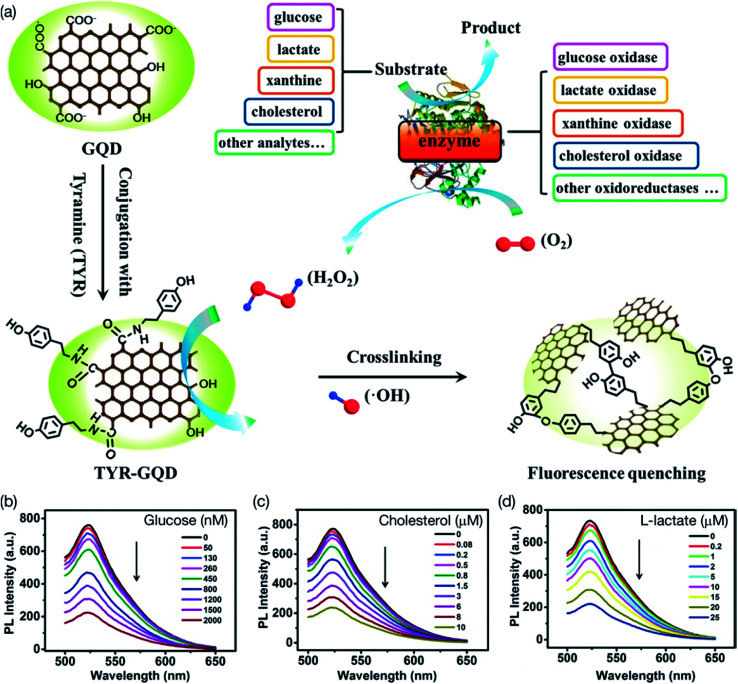
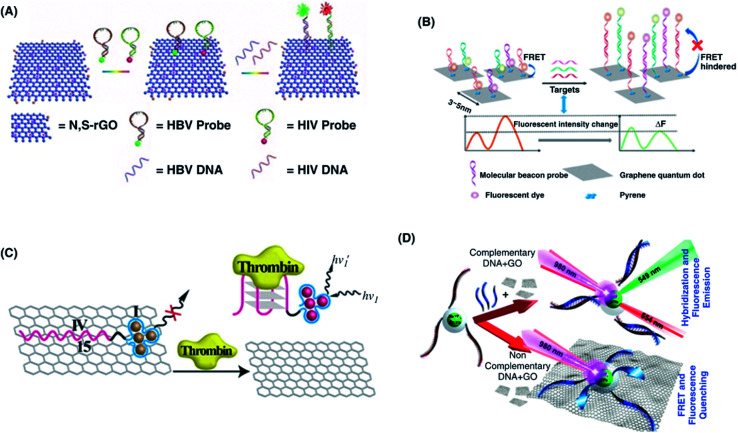
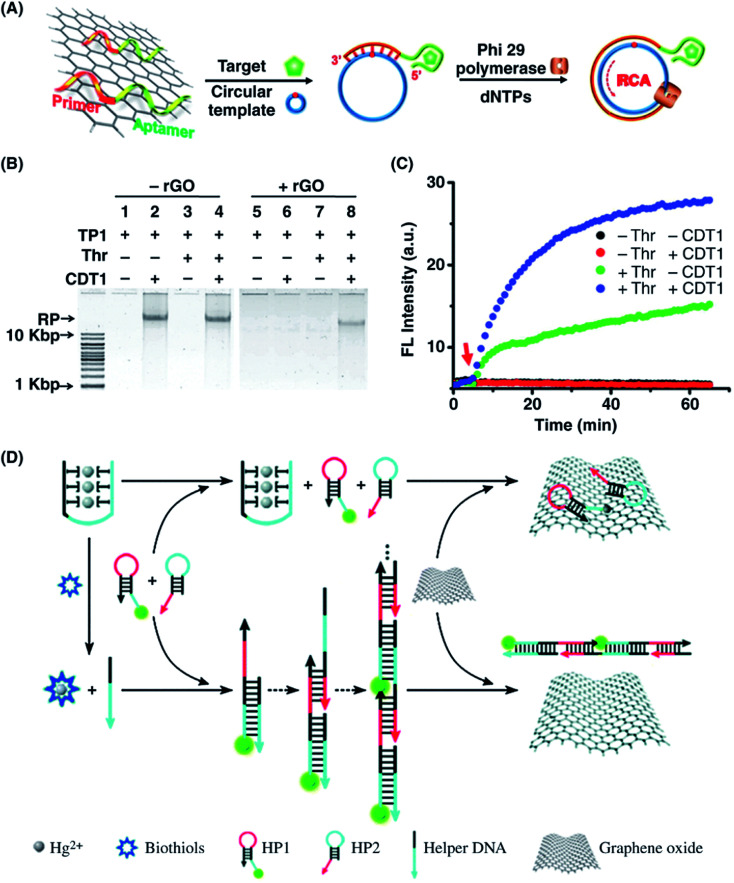
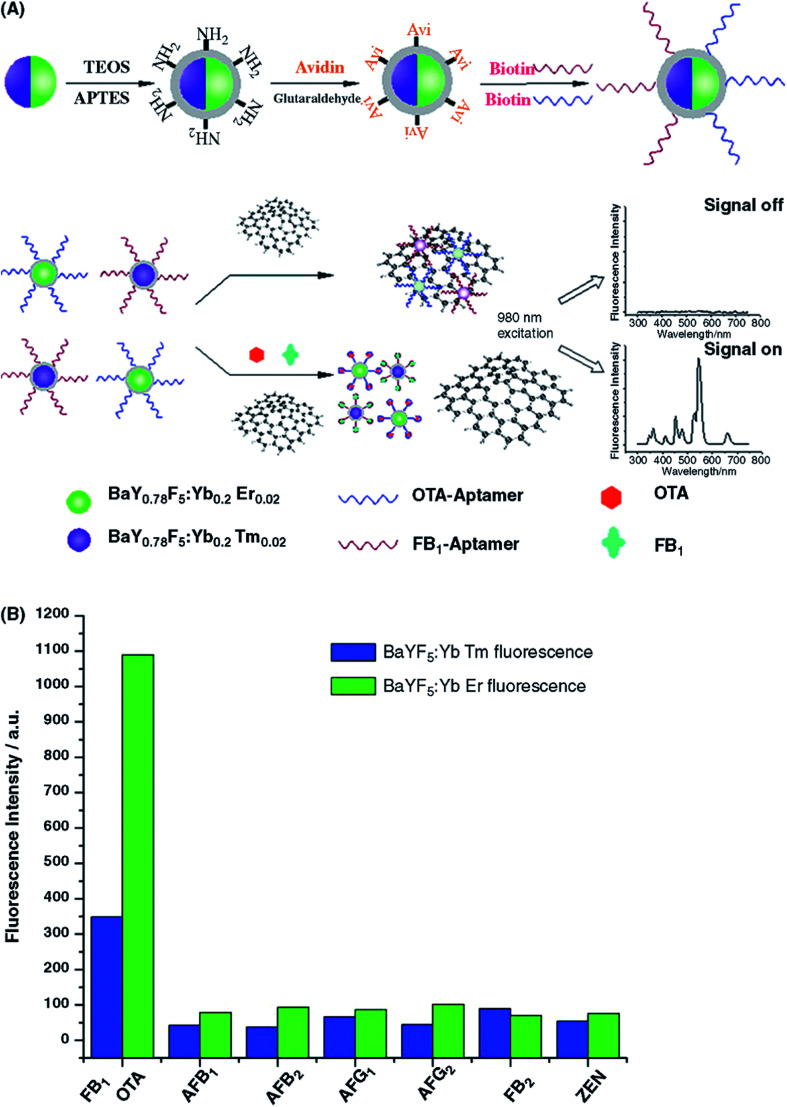
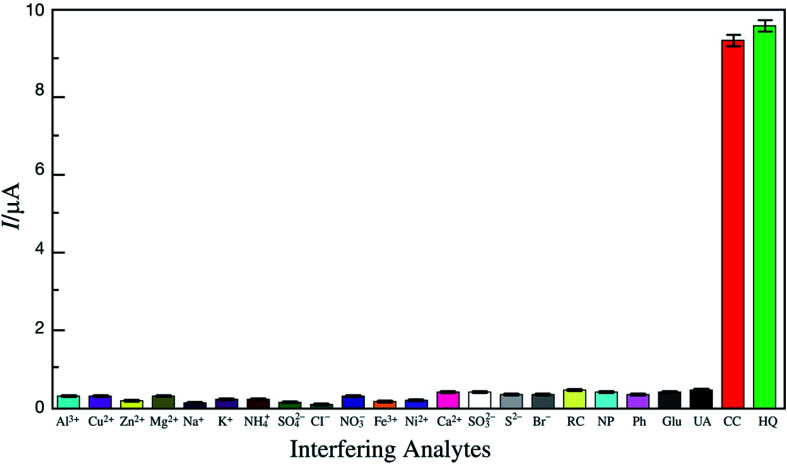
Biosensors with high sensitivity, selectivity and a low limit of detection, reaching nano/picomolar concentrations of biomolecules, are important to the medical sciences and healthcare industry for evaluating physiological and metabolic parameters. Over the last decade, different nanomaterials have been exploited to design highly efficient biosensors for the detection of analyte biomolecules. The discovery of graphene has spectacularly accelerated research on fabricating low-cost electrode materials because of its unique physical properties, including high specific surface area, high carrier mobility, high electrical conductivity, flexibility, and optical transparency. Graphene and its oxygenated derivatives, including graphene oxide (GO) and reduced graphene oxide (rGO), are becoming an important class of nanomaterials in the field of biosensors. The presence of oxygenated functional groups makes GO nanosheets strongly hydrophilic, facilitating chemical functionalization. Graphene, GO and rGO nanosheets can be easily combined with various types of inorganic nanoparticles, including metals, metal oxides, semiconducting nanoparticles, quantum dots, organic polymers and biomolecules, to create a diverse range of graphene-based nanocomposites with enhanced sensitivity for biosensor applications. This review summarizes the advances in two-dimensional (2D) and three-dimensional (3D) graphene-based nanocomposites as emerging electrochemical and fluorescent biosensing platforms for the detection of a wide range of biomolecules with enhanced sensitivity, selectivity and a low limit of detection. The biofunctionalization and nanocomposite formation processes of graphene-based materials and their unique properties, surface functionalization, enzyme immobilization strategies, covalent immobilization, physical adsorption, biointeractions and direct electron transfer (DET) processes are discussed in connection with the design and fabrication of biosensors. The enzymatic and nonenzymatic reactions on graphene-based nanocomposite surfaces for glucose- and cholesterol-related electrochemical biosensors are analyzed. This review covers a very broad range of graphene-based electrochemical and fluorescent biosensors for the detection of glucose, cholesterol, hydrogen peroxide (HO), nucleic acids (DNA/RNA), genes, enzymes, cofactors nicotinamide adenine dinucleotide (NADH) and adenosine triphosphate (ATP), dopamine (DA), ascorbic acid (AA), uric acid (UA), cancer biomarkers, pathogenic microorganisms, food toxins, toxic heavy metal ions, mycotoxins, and pesticides. The sensitivity and selectivity of graphene-based electrochemical and fluorescent biosensors are also examined with respect to interfering analytes present in biological systems. Finally, the future outlook for the development of graphene based biosensing technology is outlined.
具有高灵敏度、选择性和低检测限,能够检测到纳摩尔/皮摩尔浓度生物分子的生物传感器,对于医学科学和医疗保健行业评估生理和代谢参数至关重要。在过去十年中,人们利用不同的纳米材料设计出了用于检测分析物生物分子的高效生物传感器。石墨烯的发现因其独特的物理性质,包括高比表面积、高载流子迁移率、高电导率、柔韧性和光学透明度,极大地加速了低成本电极材料制造的研究。石墨烯及其氧化衍生物,包括氧化石墨烯(GO)和还原氧化石墨烯(rGO),正成为生物传感器领域一类重要的纳米材料。氧化官能团的存在使氧化石墨烯纳米片具有很强的亲水性,便于进行化学功能化。石墨烯、氧化石墨烯和还原氧化石墨烯纳米片可以很容易地与各种类型的无机纳米颗粒,包括金属、金属氧化物、半导体纳米颗粒、量子点、有机聚合物和生物分子结合,以创建各种具有更高灵敏度的基于石墨烯的纳米复合材料,用于生物传感器应用。本综述总结了二维(2D)和三维(3D)基于石墨烯的纳米复合材料作为新兴的电化学和荧光生物传感平台在检测多种生物分子方面的进展,这些平台具有更高的灵敏度、选择性和低检测限。结合生物传感器的设计和制造,讨论了基于石墨烯材料的生物功能化和纳米复合材料形成过程及其独特性质、表面功能化、酶固定化策略、共价固定化、物理吸附、生物相互作用和直接电子转移(DET)过程。分析了基于石墨烯的纳米复合材料表面上与葡萄糖和胆固醇相关的电化学生物传感器的酶促和非酶促反应。本综述涵盖了非常广泛的基于石墨烯的电化学和荧光生物传感器,用于检测葡萄糖、胆固醇、过氧化氢(HO)、核酸(DNA/RNA)、基因、酶、辅因子烟酰胺腺嘌呤二核苷酸(NADH)和三磷酸腺苷(ATP)、多巴胺(DA)、抗坏血酸(AA)、尿酸(UA)、癌症生物标志物、致病微生物、食品毒素、有毒重金属离子、霉菌毒素和农药。还针对生物系统中存在的干扰分析物,研究了基于石墨烯的电化学和荧光生物传感器的灵敏度和选择性。最后,概述了基于石墨烯的生物传感技术发展的未来展望。