Qi Shouliang, Meesters Stephan, Nicolay Klaas, Ter Haar Romeny Bart M, Ossenblok Pauly
Sino-Dutch Biomedical and Information Engineering School, Northeastern UniversityShenyang, China; Academic Center for Epileptology Kempenhaeghe and Maastricht UMC+Heeze, Netherlands; Department of Biomedical Engineering, Eindhoven University of TechnologyEindhoven, Netherlands.
Academic Center for Epileptology Kempenhaeghe and Maastricht UMC+Heeze, Netherlands; Department of Mathematics and Computer Science, Eindhoven University of TechnologyEindhoven, Netherlands.
Front Comput Neurosci. 2016 Feb 16;10:12. doi: 10.3389/fncom.2016.00012. eCollection 2016.
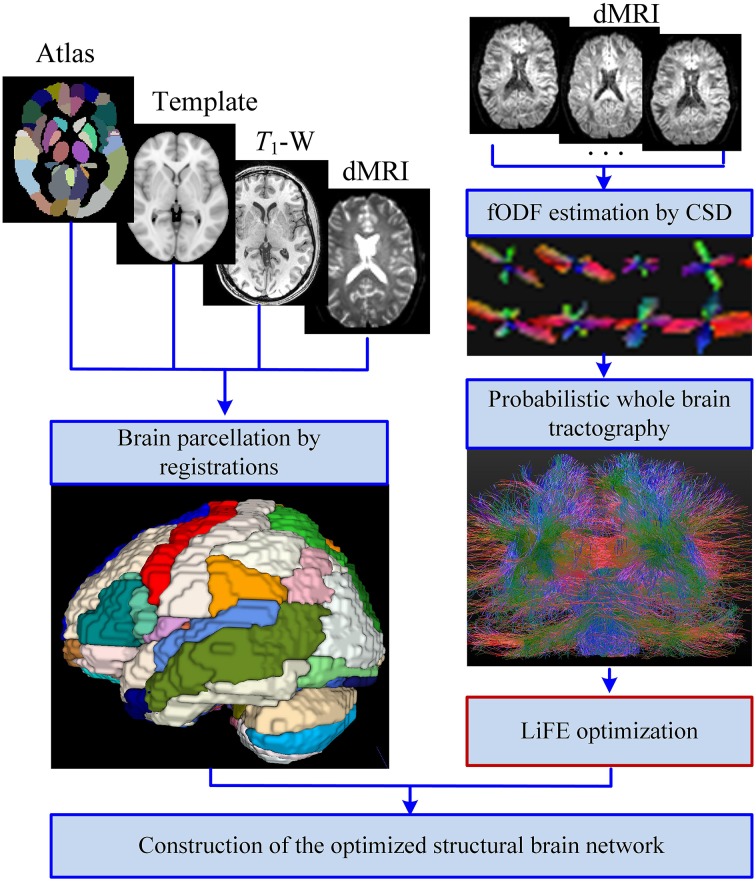
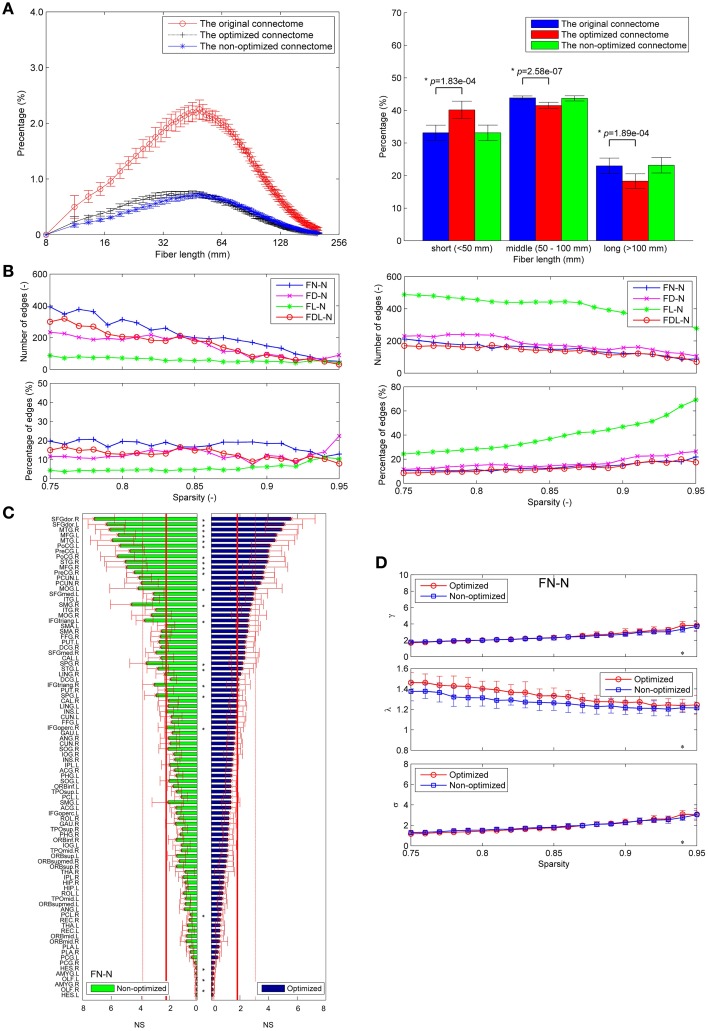
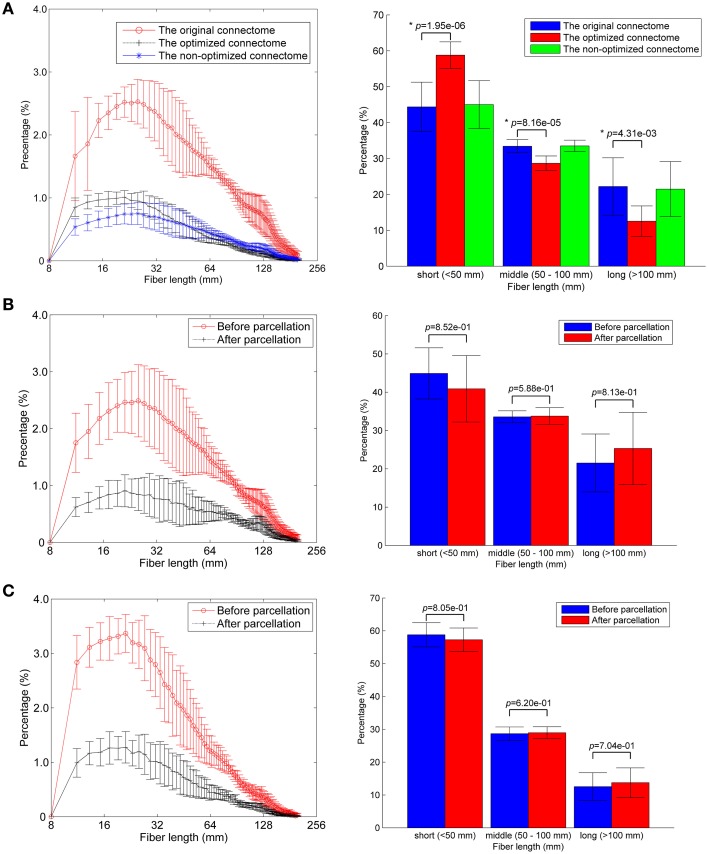
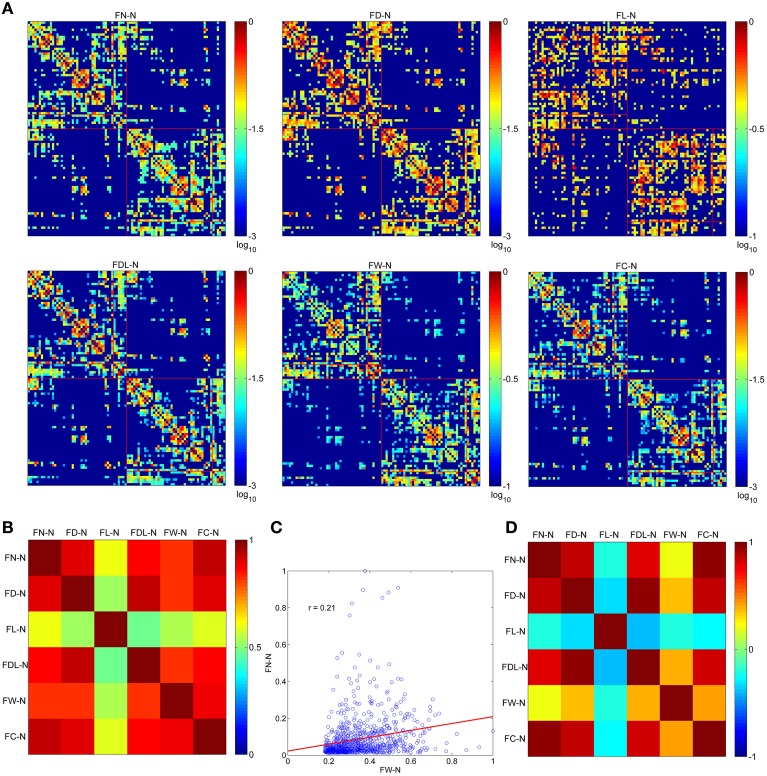
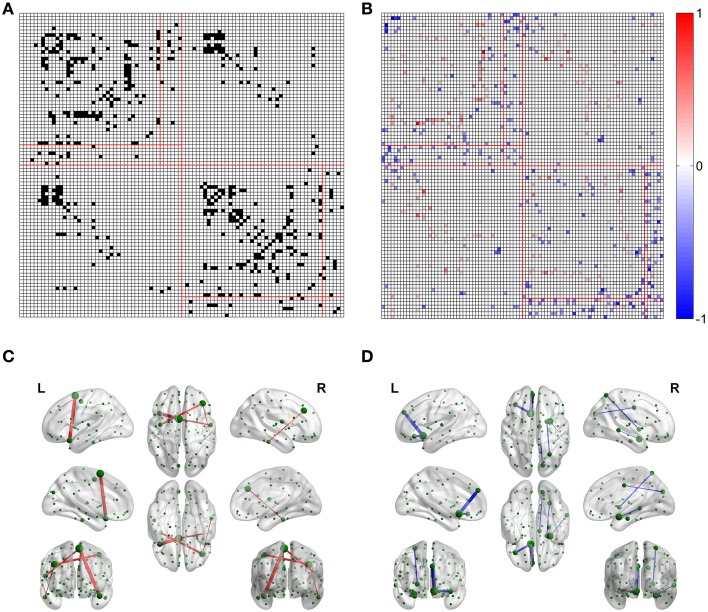
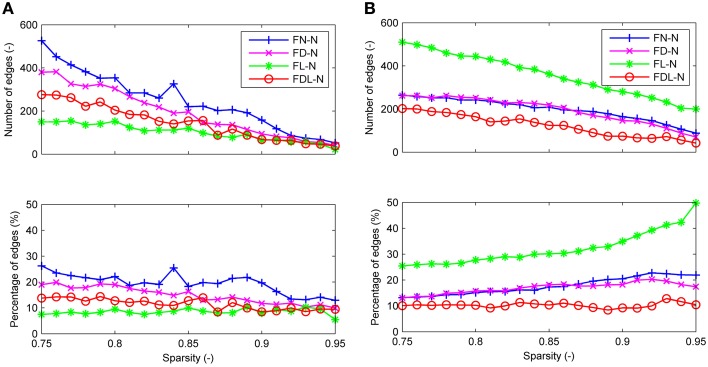
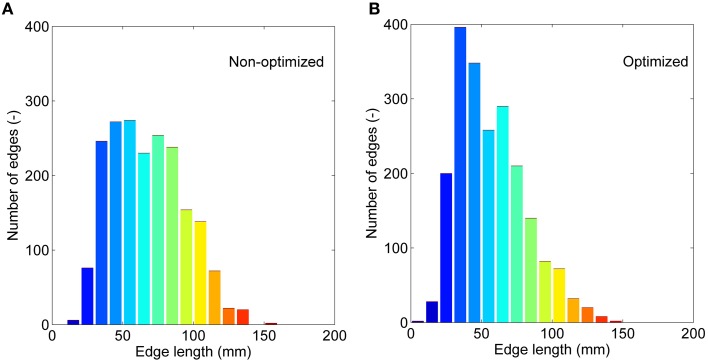
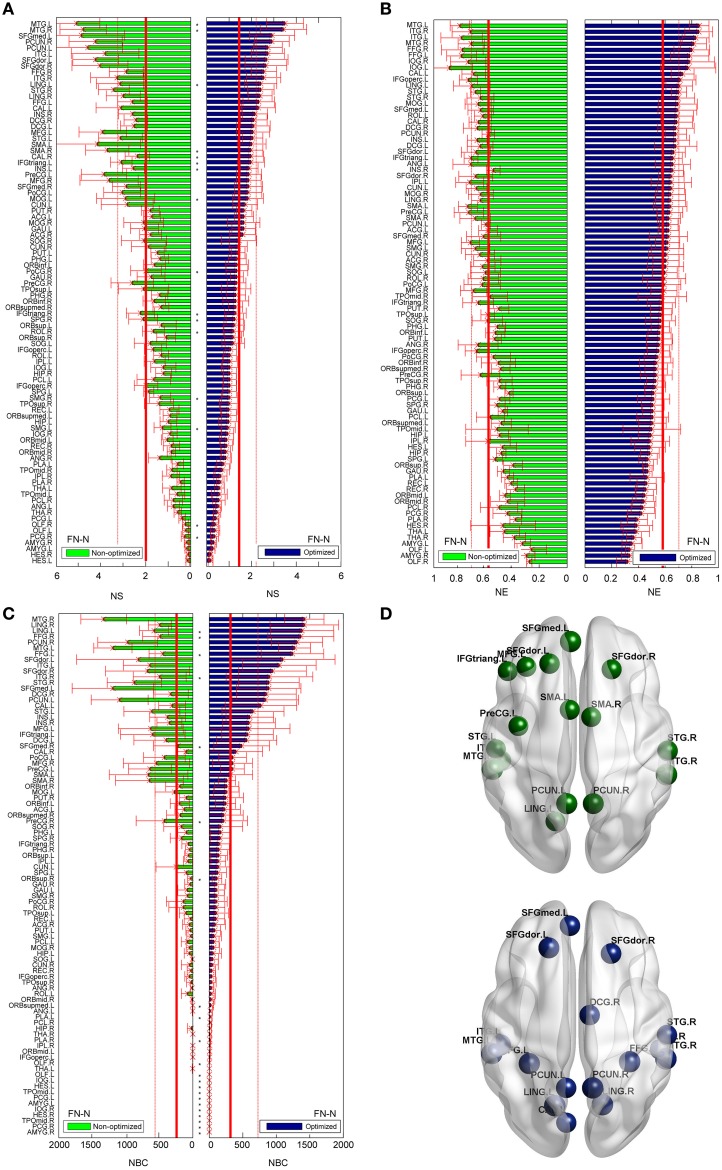
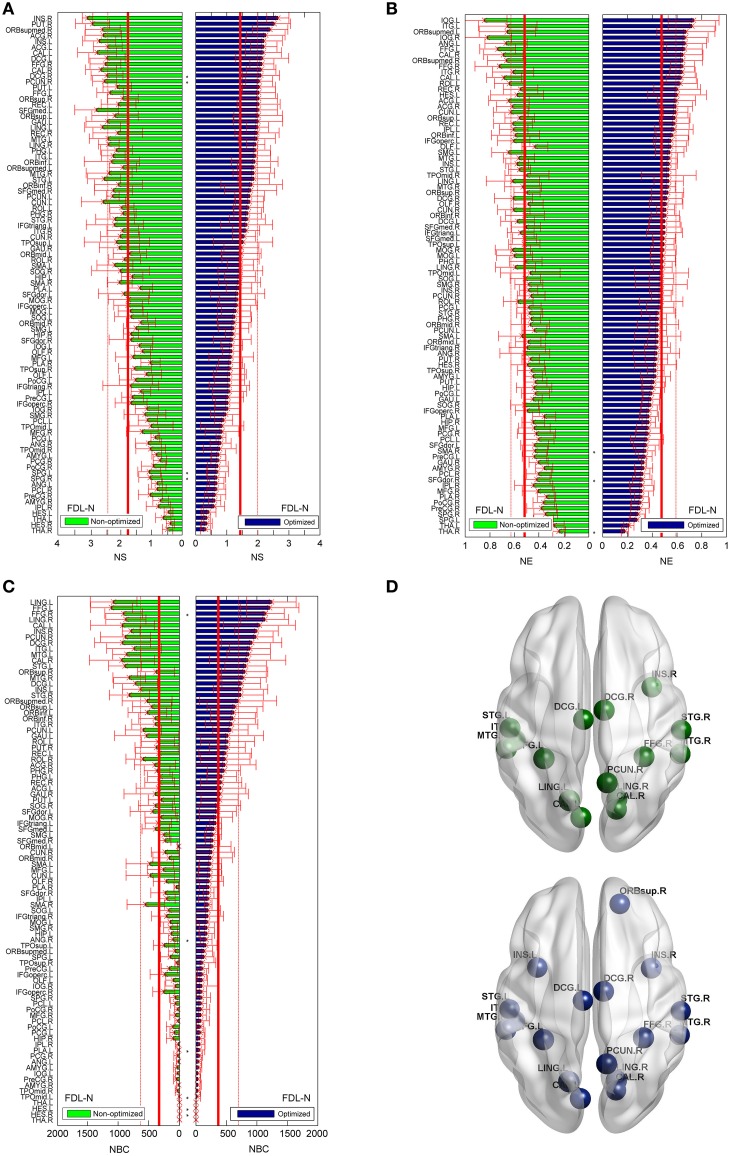
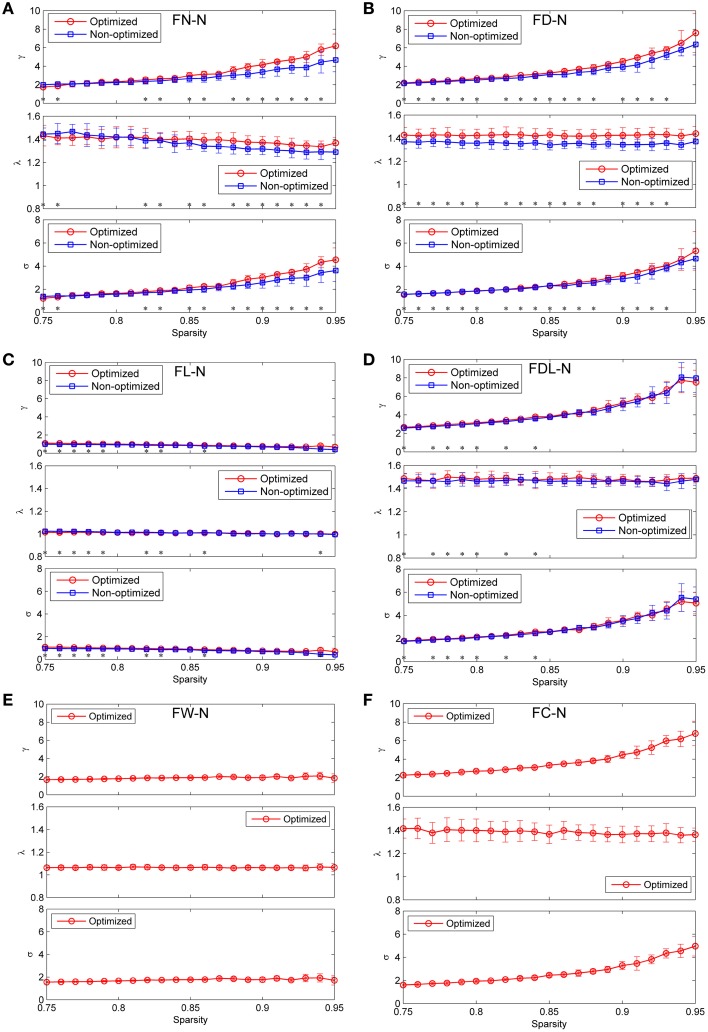
Structural brain networks constructed based on diffusion-weighted MRI (dMRI) have provided a systems perspective to explore the organization of the human brain. Some redundant and nonexistent fibers, however, are inevitably generated in whole brain tractography. We propose to add one critical step while constructing the networks to remove these fibers using the linear fascicle evaluation (LiFE) method, and study the differences between the networks with and without LiFE optimization. For a cohort of nine healthy adults and for 9 out of the 35 subjects from Human Connectome Project, the T 1-weighted images and dMRI data are analyzed. Each brain is parcellated into 90 regions-of-interest, whilst a probabilistic tractography algorithm is applied to generate the original connectome. The elimination of redundant and nonexistent fibers from the original connectome by LiFE creates the optimized connectome, and the random selection of the same number of fibers as the optimized connectome creates the non-optimized connectome. The combination of parcellations and these connectomes leads to the optimized and non-optimized networks, respectively. The optimized networks are constructed with six weighting schemes, and the correlations of different weighting methods are analyzed. The fiber length distributions of the non-optimized and optimized connectomes are compared. The optimized and non-optimized networks are compared with regard to edges, nodes and networks, within a sparsity range of 0.75-0.95. It has been found that relatively more short fibers exist in the optimized connectome. About 24.0% edges of the optimized network are significantly different from those in the non-optimized network at a sparsity of 0.75. About 13.2% of edges are classified as false positives or the possible missing edges. The strength and betweenness centrality of some nodes are significantly different for the non-optimized and optimized networks, but not the node efficiency. The normalized clustering coefficient, the normalized characteristic path length and the small-worldness are higher in the optimized network weighted by the fiber number than in the non-optimized network. These observed differences suggest that LiFE optimization can be a crucial step for the construction of more reasonable and more accurate structural brain networks.
基于扩散加权磁共振成像(dMRI)构建的脑结构网络为探索人类大脑的组织提供了一个系统视角。然而,在全脑纤维束成像中不可避免地会产生一些冗余和不存在的纤维。我们建议在构建网络时增加一个关键步骤,即使用线性纤维束评估(LiFE)方法去除这些纤维,并研究经过LiFE优化和未经过优化的网络之间的差异。对一组9名健康成年人以及人类连接组计划35名受试者中的9名受试者的T1加权图像和dMRI数据进行分析。每个大脑被划分为90个感兴趣区域,同时应用概率纤维束成像算法生成原始连接组。通过LiFE从原始连接组中消除冗余和不存在的纤维,创建优化后的连接组,随机选择与优化后的连接组数量相同的纤维创建未优化的连接组。这些划分与这些连接组的组合分别产生优化和未优化的网络。优化后的网络采用六种加权方案构建,并分析不同加权方法的相关性。比较未优化和优化后的连接组的纤维长度分布。在0.75 - 0.95的稀疏范围内,对优化和未优化的网络在边、节点和网络方面进行比较。研究发现,优化后的连接组中相对存在更多短纤维。在稀疏度为0.75时,优化后网络约24.0%的边与未优化网络的边有显著差异。约13.2%的边被归类为假阳性或可能缺失的边。未优化和优化后的网络中一些节点的强度和介数中心性存在显著差异,但节点效率没有差异。在按纤维数量加权的优化网络中,归一化聚类系数、归一化特征路径长度和小世界特性比未优化网络更高。这些观察到的差异表明,LiFE优化可能是构建更合理、更准确的脑结构网络的关键步骤。