Counihan Natalie A, Anderson David A
Centre for Biomedical Research, Burnet Institute, Melbourne, Victoria, Australia.
Sci Rep. 2016 Feb 25;6:21855. doi: 10.1038/srep21855.
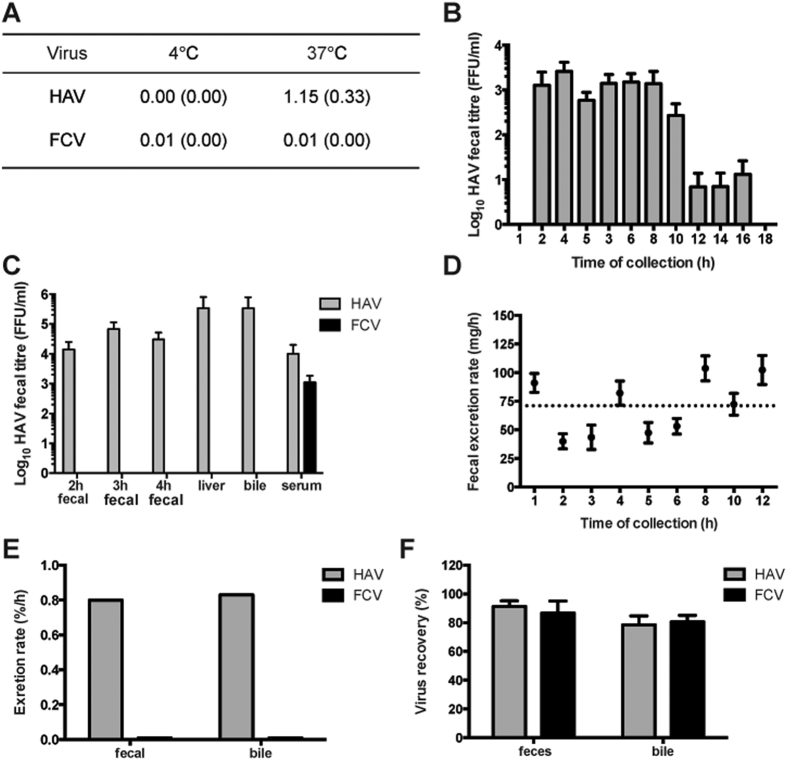
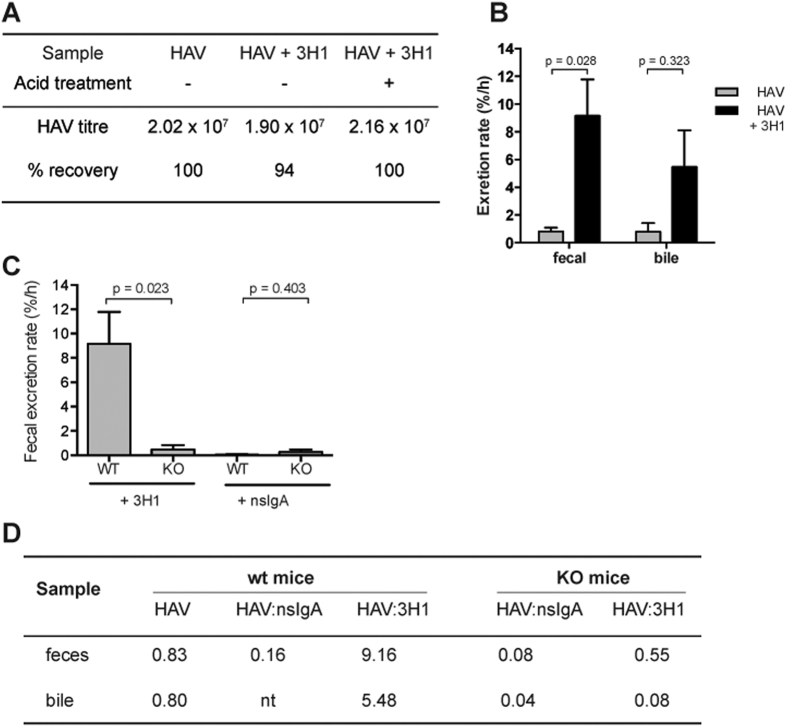
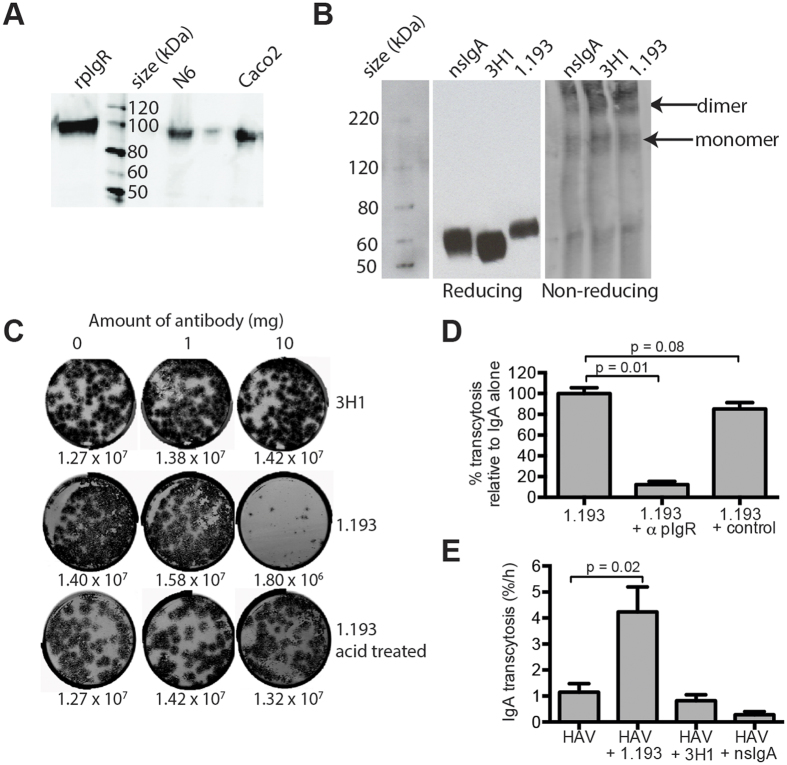
Hepatitis A virus (HAV) replicates in the liver, and is excreted from the body in feces. However, the mechanisms of HAV transport from hepatocytes to the gastrointestinal tract are poorly understood, mainly due to lack of suitable in vitro models. Here, we use a polarized hepatic cell line and in vivo models to demonstrate vectorial transport of HAV from hepatocytes into bile via the apical cell membrane. Although this transport is specific for HAV, the rate of fecal excretion in inefficient, accounting for less than 1% of input virus from the bloodstream per hour. However, we also found that the rate of HAV excretion was enhanced in the presence of HAV-specific IgA. Using mice lacking the polymeric IgA receptor (pIgR(-/-)), we show that a proportion of HAV:IgA complexes are transported via the pIgR demonstrating a role for specific antibody in pathogen excretion.
甲型肝炎病毒(HAV)在肝脏中复制,并通过粪便排出体外。然而,HAV从肝细胞转运至胃肠道的机制尚不清楚,主要是由于缺乏合适的体外模型。在此,我们使用极化肝细胞系和体内模型来证明HAV通过顶端细胞膜从肝细胞向胆汁的定向转运。虽然这种转运对HAV具有特异性,但粪便排泄效率低下,每小时从血液中输入的病毒中粪便排泄率不到1%。然而,我们还发现,在存在HAV特异性IgA的情况下,HAV排泄率会提高。利用缺乏多聚IgA受体的小鼠(pIgR(-/-)),我们发现一部分HAV:IgA复合物通过pIgR转运,这表明特异性抗体在病原体排泄中发挥作用。