Kimura Tomoki, Kambe Taiho
Department of Life Science, Faculty of Science and Engineering, Setsunan University, Neyagawa, Osaka 572-8508, Japan.
Division of Integrated Life Science, Graduate School of Biostudies, Kyoto University, Kyoto 606-8502, Japan.
Int J Mol Sci. 2016 Mar 4;17(3):336. doi: 10.3390/ijms17030336.
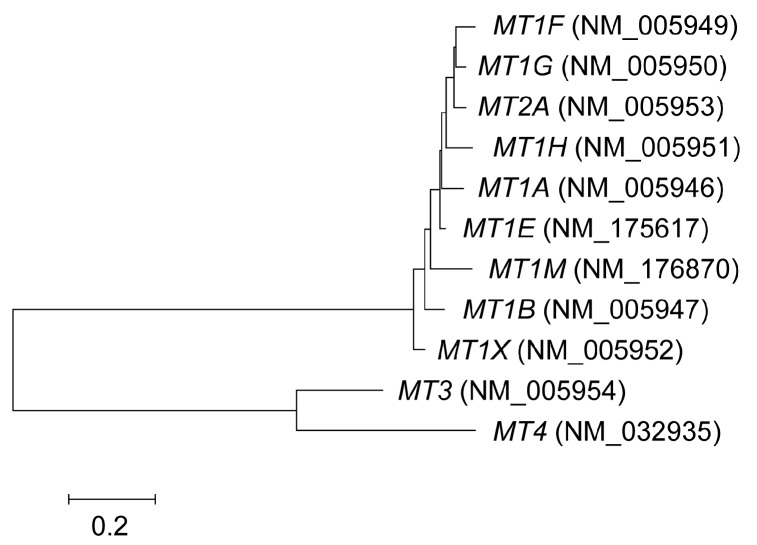
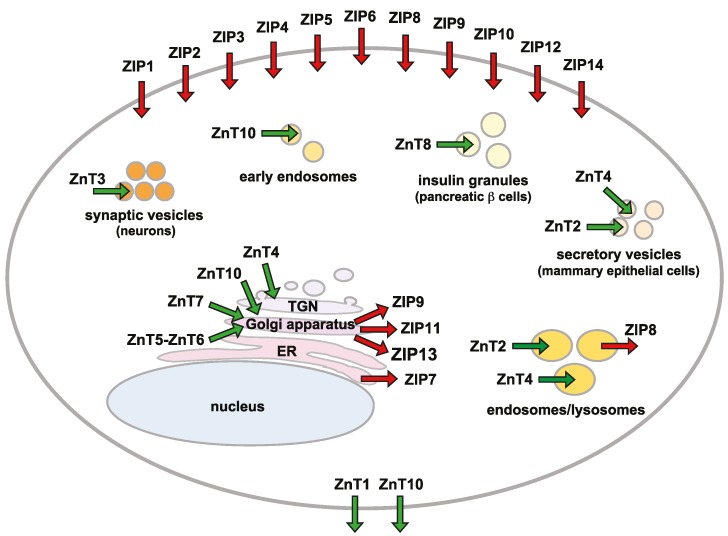
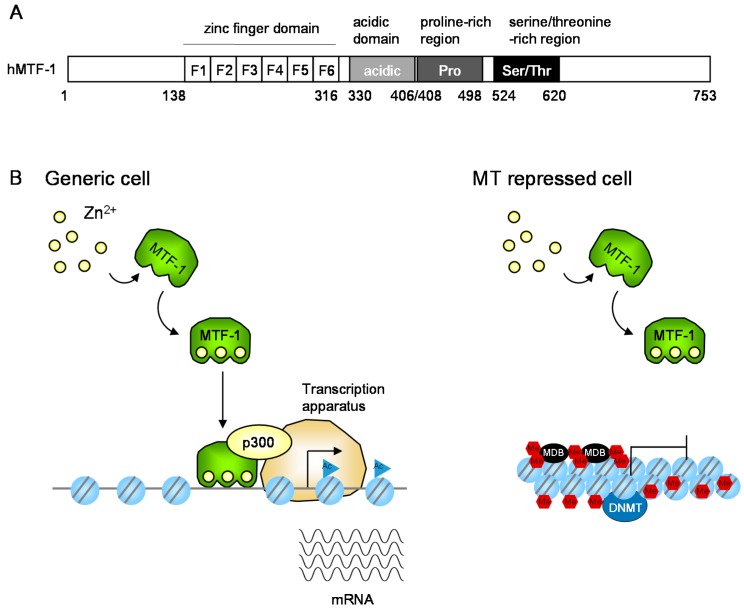
Around 3000 proteins are thought to bind zinc in vivo, which corresponds to ~10% of the human proteome. Zinc plays a pivotal role as a structural, catalytic, and signaling component that functions in numerous physiological processes. It is more widely used as a structural element in proteins than any other transition metal ion, is a catalytic component of many enzymes, and acts as a cellular signaling mediator. Thus, it is expected that zinc metabolism and homeostasis have sophisticated regulation, and elucidating the underlying molecular basis of this is essential to understanding zinc functions in cellular physiology and pathogenesis. In recent decades, an increasing amount of evidence has uncovered critical roles of a number of proteins in zinc metabolism and homeostasis through influxing, chelating, sequestrating, coordinating, releasing, and effluxing zinc. Metallothioneins (MT) and Zrt- and Irt-like proteins (ZIP) and Zn transporters (ZnT) are the proteins primarily involved in these processes, and their malfunction has been implicated in a number of inherited diseases such as acrodermatitis enteropathica. The present review updates our current understanding of the biological functions of MTs and ZIP and ZnT transporters from several new perspectives.
据认为,体内约有3000种蛋白质与锌结合,这相当于人类蛋白质组的10%左右。锌作为一种结构、催化和信号传导成分,在众多生理过程中发挥着关键作用。与任何其他过渡金属离子相比,它在蛋白质中作为结构元素的应用更为广泛,是许多酶的催化成分,并作为细胞信号传导介质发挥作用。因此,可以预期锌代谢和体内平衡具有复杂的调控机制,阐明其潜在的分子基础对于理解锌在细胞生理学和发病机制中的功能至关重要。近几十年来,越来越多的证据揭示了许多蛋白质在锌代谢和体内平衡中通过锌的流入、螯合、隔离、配位、释放和流出所起的关键作用。金属硫蛋白(MT)、Zrt和Irt样蛋白(ZIP)以及锌转运蛋白(ZnT)是主要参与这些过程的蛋白质,它们的功能异常与多种遗传性疾病有关,如肠病性肢端皮炎。本综述从几个新的角度更新了我们目前对MT、ZIP和ZnT转运蛋白生物学功能的理解。