Xu Chao, Chen Huan, Gleason Mark L, Xu Jin-Rong, Liu Huiquan, Zhang Rong, Sun Guangyu
State Key Laboratory of Crop Stress Biology in Arid Areas and College of Plant Protection, Northwest A&F University, Yangling, Shaanxi 712100, China.
Department of Plant Pathology and Microbiology, Iowa State University, Ames, Iowa 50011, USA.
Sci Rep. 2016 Mar 11;6:22926. doi: 10.1038/srep22926.
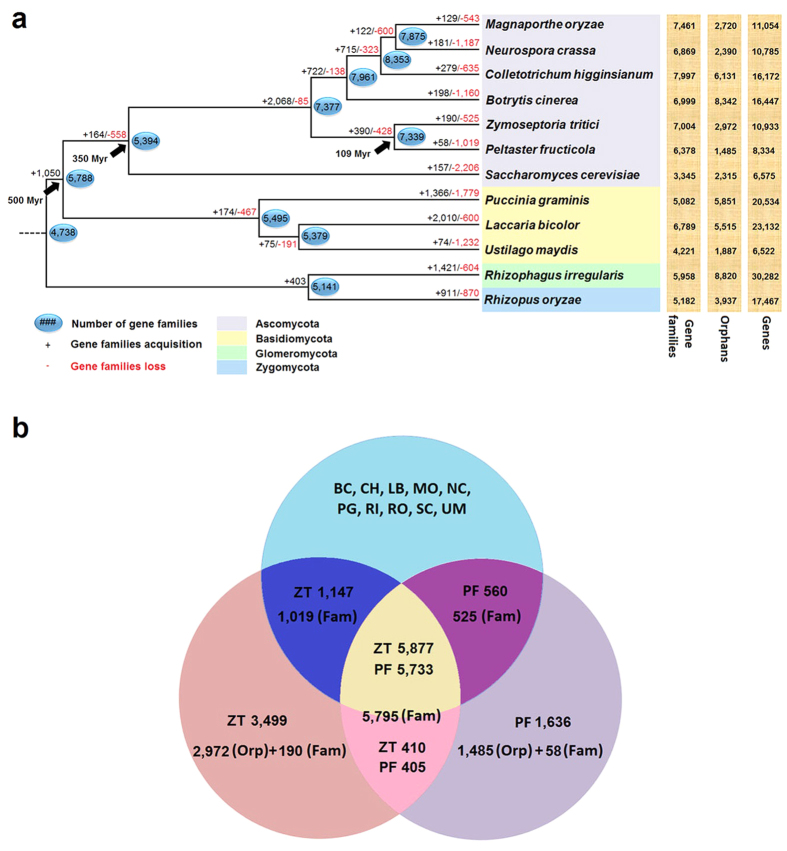
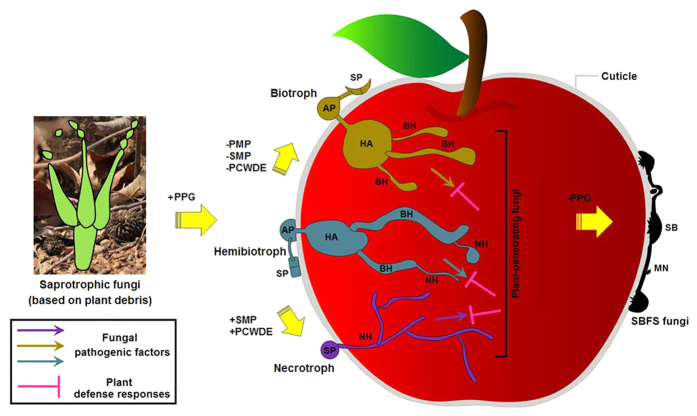
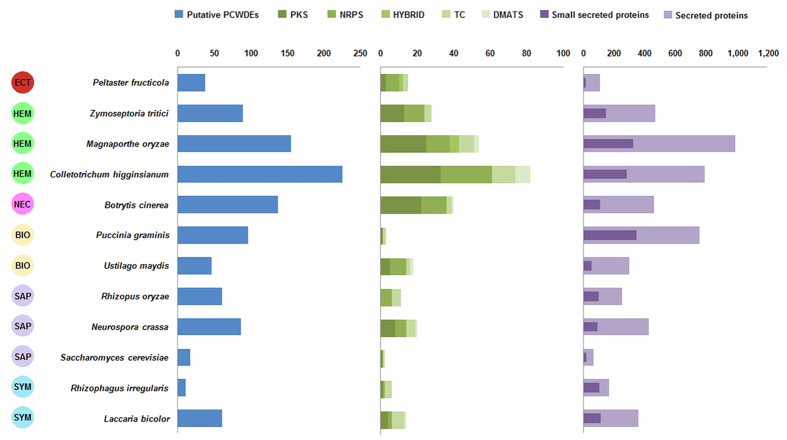
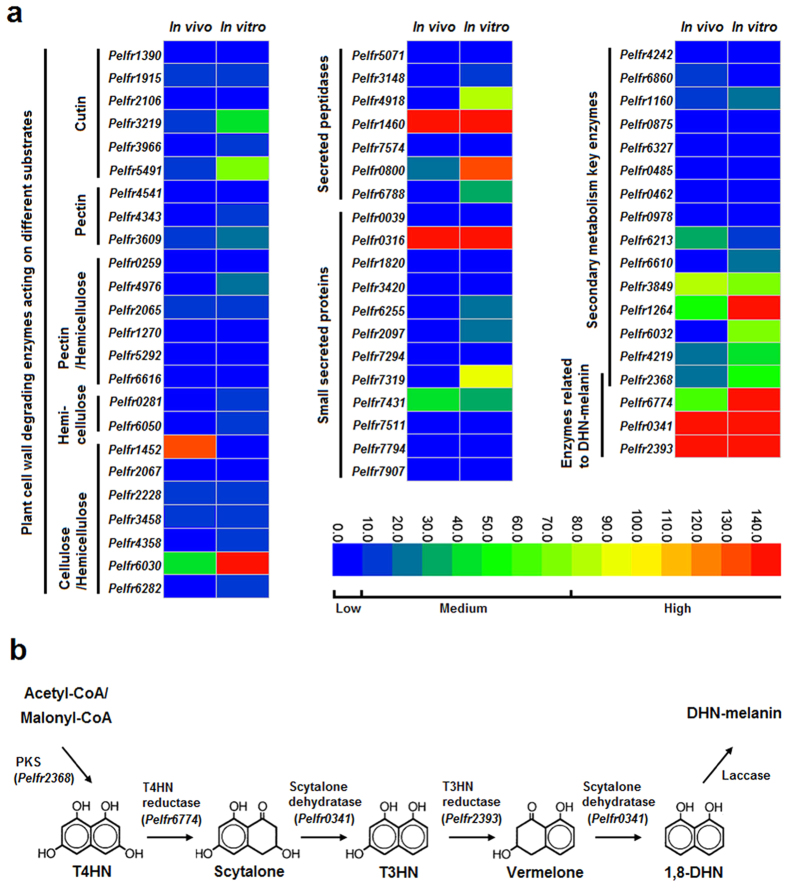
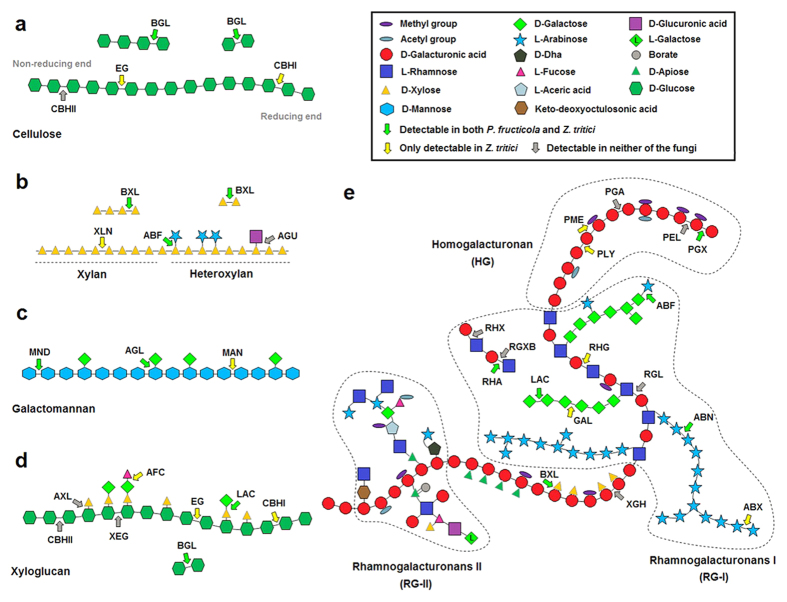
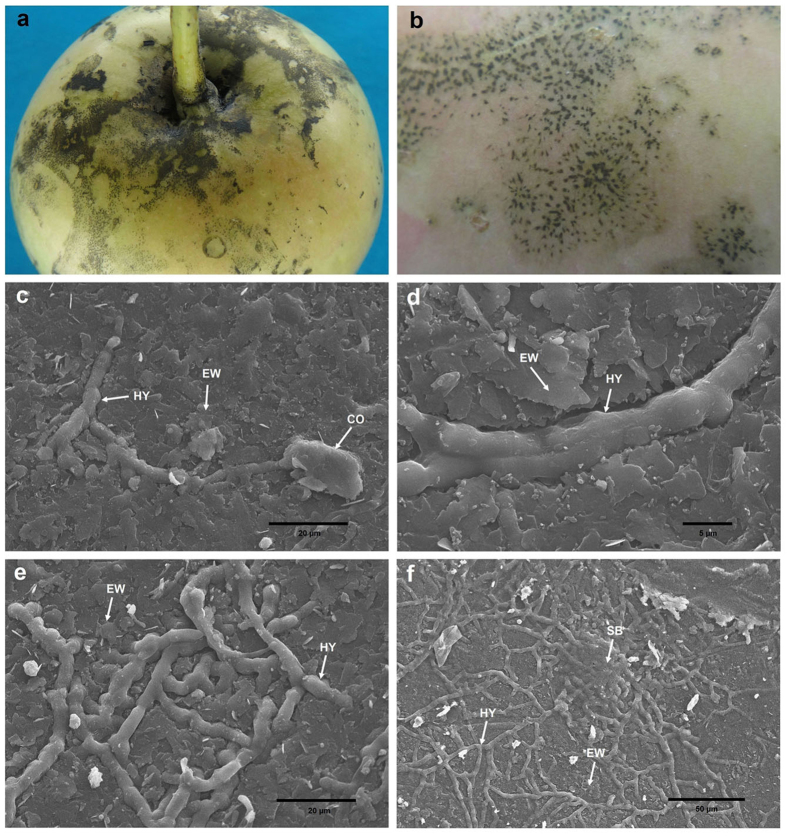
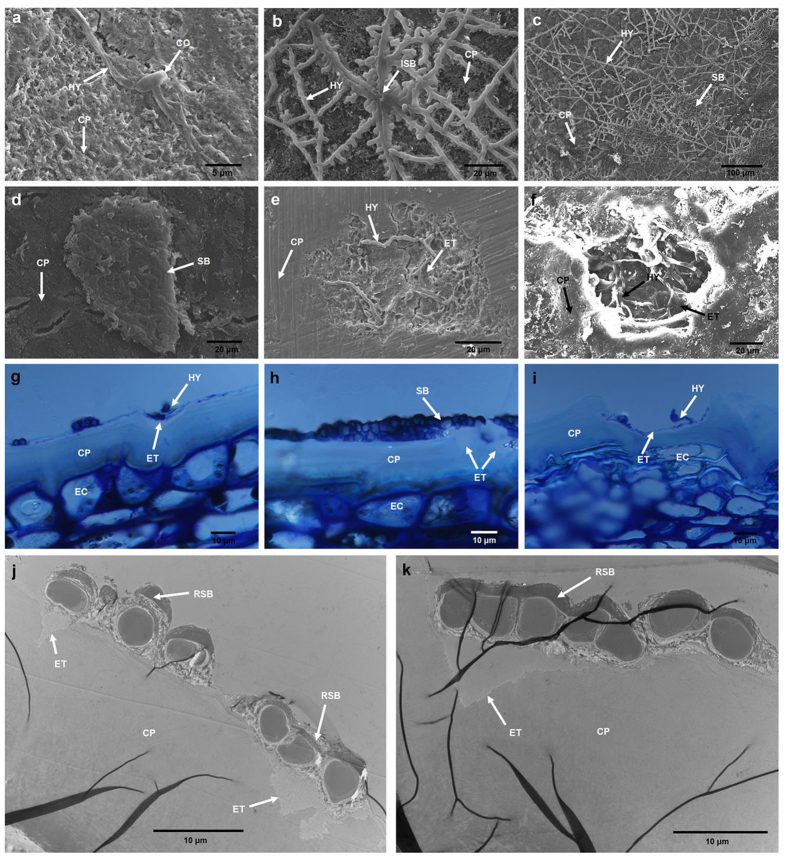
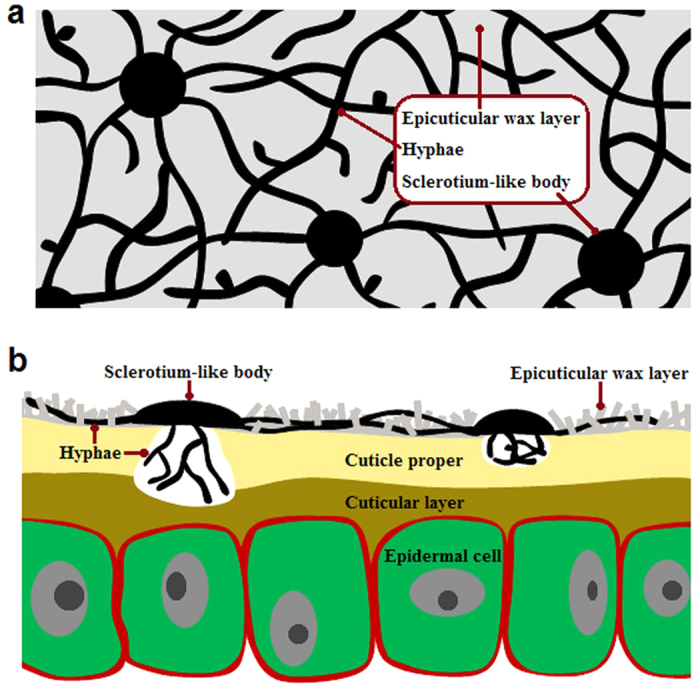
Sooty blotch and flyspeck (SBFS) fungi are unconventional plant pathogens that cause economic losses by blemishing the surface appearance of infected fruit. Here, we introduce the 18.14-Mb genome of Peltaster fructicola, one of the most prevalent SBFS species on apple. This undersized assembly contains only 8,334 predicted protein-coding genes and a very small repertoire of repetitive elements. Phylogenomics and comparative genomics revealed that P. fructicola had undergone a reductive evolution, during which the numbers of orphan genes and genes involved in plant cell wall degradation, secondary metabolism, and secreted peptidases and effectors were drastically reduced. In contrast, the genes controlling 1,8-dihydroxynaphthalene (DHN)-melanin biosynthesis and appressorium-mediated penetration were retained substantially. Additionally, microscopic examination of the surfaces of infected apple indicated for the first time that P. fructicola can not only dissolve epicuticular waxes but also partially penetrate the cuticle proper. Our findings indicate that genome contraction, characterized mainly by the massive loss of pathogenicity-related genes, has played an important role in the evolution of P. fructicola (and by implication other SBFS species) from a plant-penetrating ancestor to a non-invasive ectophyte, displaying a novel form of trophic interaction between plants and fungi.
煤烟斑和蝇粪斑(SBFS)真菌是非常规的植物病原体,它们通过损害受感染果实的表面外观而造成经济损失。在此,我们介绍了苹果上最常见的SBFS物种之一——果实皮盘菌(Peltaster fructicola)的18.14兆碱基基因组。这个规模较小的基因组组装仅包含8334个预测的蛋白质编码基因和非常少量的重复元件。系统发育基因组学和比较基因组学表明,果实皮盘菌经历了一次简化进化,在此过程中,孤儿基因以及参与植物细胞壁降解、次生代谢、分泌肽酶和效应子的基因数量大幅减少。相比之下,控制1,8 - 二羟基萘(DHN)-黑色素生物合成和附着胞介导的穿透的基因则基本保留。此外,对受感染苹果表面的显微镜检查首次表明,果实皮盘菌不仅可以溶解表皮蜡质,还能部分穿透角质层本身。我们的研究结果表明,主要以与致病性相关基因的大量丢失为特征的基因组收缩,在果实皮盘菌(以及由此推断的其他SBFS物种)从植物穿透性祖先向非侵入性附生植物的进化过程中发挥了重要作用,展示了植物与真菌之间一种新型的营养相互作用形式。