Deng Xinyang, Zhang Qi, Deng Yong, Wang Zhen
School of Computer and Information Science, Southwest University, Chongqing, 400715, China.
Center for Quantitative Sciences, Vanderbilt University School of Medicine, Nashville, TN, 37232, USA.
Sci Rep. 2016 Mar 15;6:23024. doi: 10.1038/srep23024.
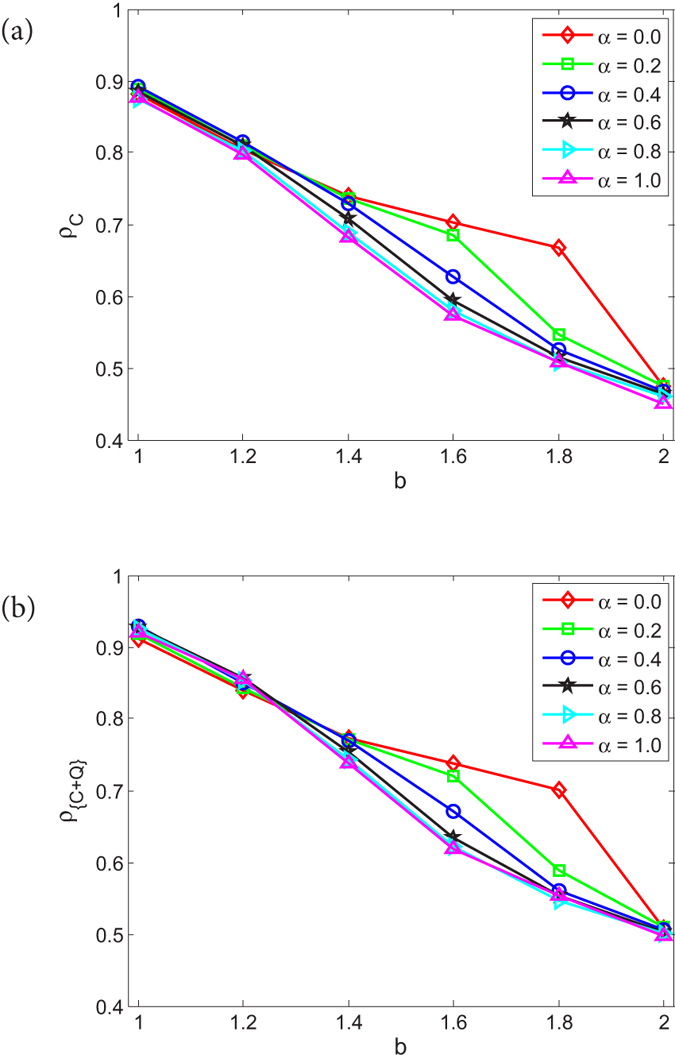
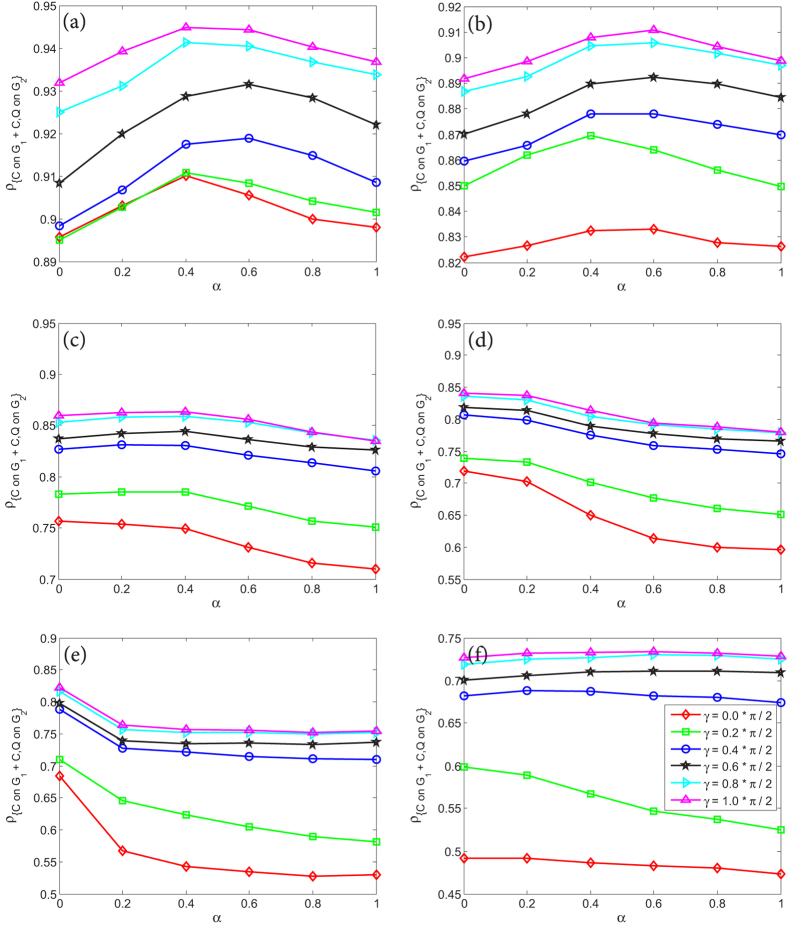
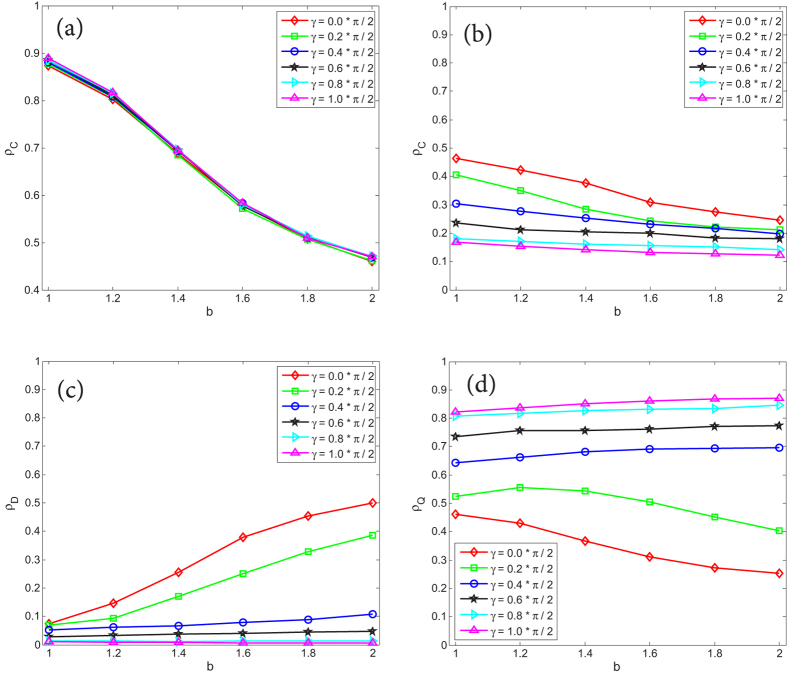
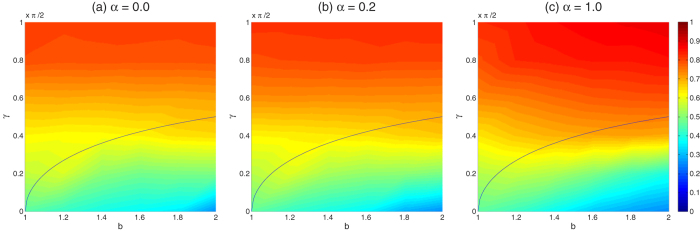
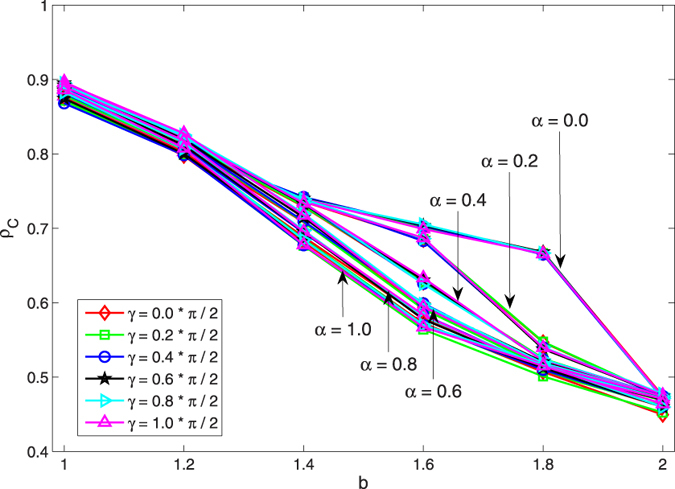
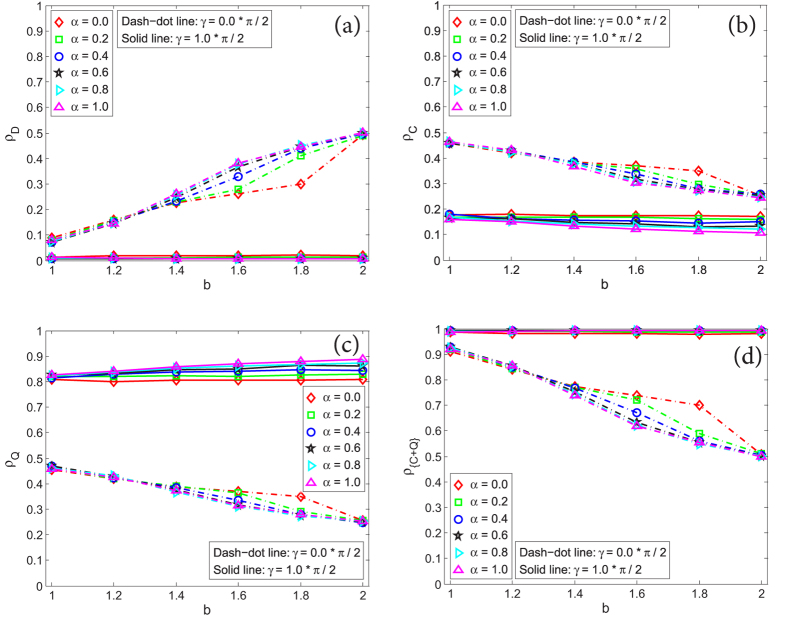
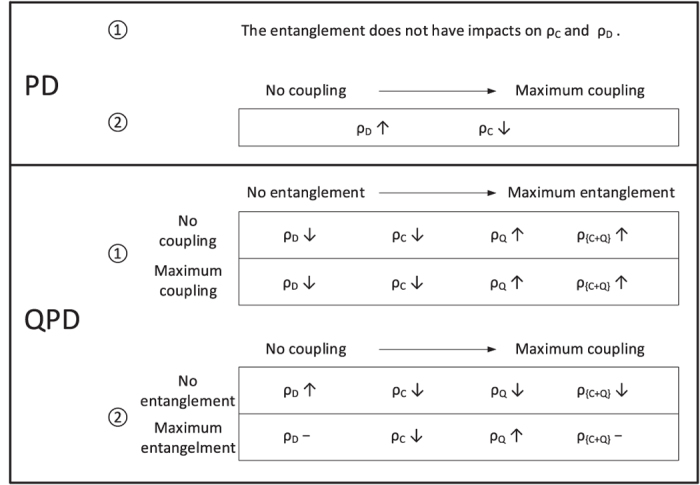
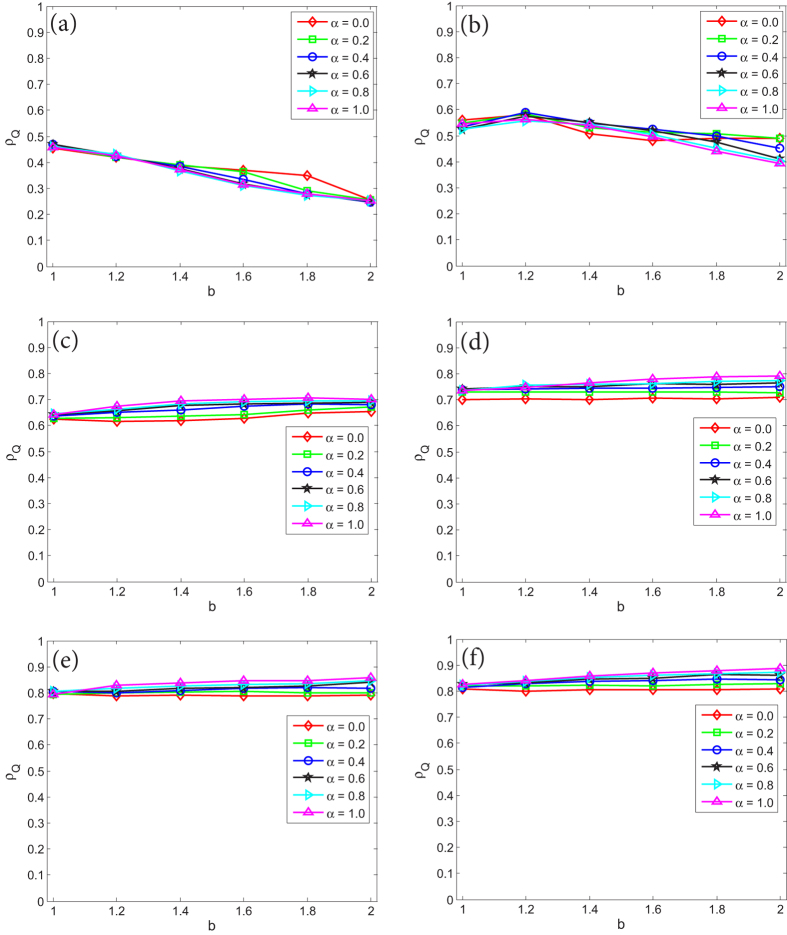
Evolutionary games on multilayer networks are attracting growing interest. While among previous studies, the role of quantum games in such a infrastructure is still virgin and may become a fascinating issue across a myriad of research realms. To mimick two kinds of different interactive environments and mechanisms, in this paper a new framework of classical and quantum prisoner's dilemma games on two-layer coupled networks is considered. Within the proposed model, the impact of coupling factor of networks and entanglement degree in quantum games on the evolutionary process has been studied. Simulation results show that the entanglement has no impact on the evolution of the classical prisoner's dilemma, while the rise of the coupling factor obviously impedes cooperation in this game, and the evolution of quantum prisoner's dilemma is greatly impacted by the combined effect of entanglement and coupling.
多层网络上的演化博弈正吸引着越来越多的关注。尽管在先前的研究中,量子博弈在这样一种架构中的作用仍未被涉及,并且可能会成为众多研究领域中一个引人入胜的问题。为了模拟两种不同的交互环境和机制,本文考虑了一个在两层耦合网络上的经典和量子囚徒困境博弈的新框架。在所提出的模型中,研究了网络耦合因子和量子博弈中的纠缠度对演化过程的影响。仿真结果表明,纠缠对经典囚徒困境的演化没有影响,而耦合因子的增加明显阻碍了该博弈中的合作,并且量子囚徒困境的演化受到纠缠和耦合综合效应的极大影响。