Tang Hui, Shi Xunxun, Wang Xiaofei, Hao Huanhuan, Zhang Xiu-Min, Zhang Li-Ping
College of Life Sciences, Hebei UniversityBaoding, China; The Key Lab of Microbial Diversity Research and Application of Hebei ProvinceBaoding, China; Key Laboratory of Medicinal Chemistry and Molecular Diagnosis, Ministry of Education, Hebei UniversityBaoding, China.
Front Microbiol. 2016 Mar 22;7:343. doi: 10.3389/fmicb.2016.00343. eCollection 2016.
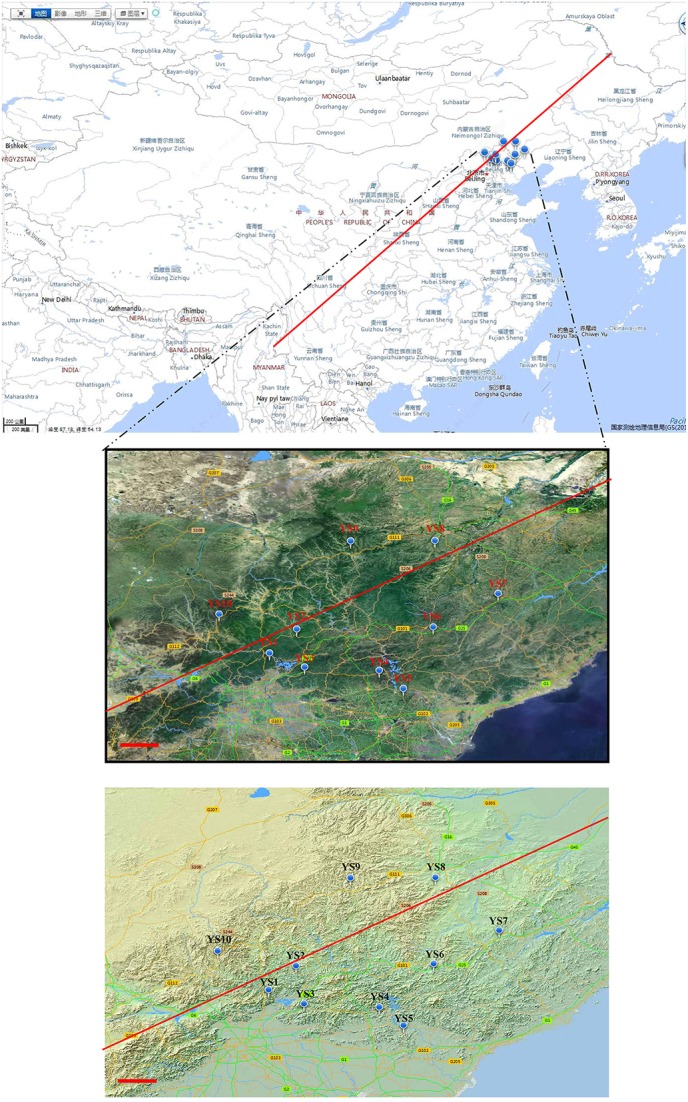
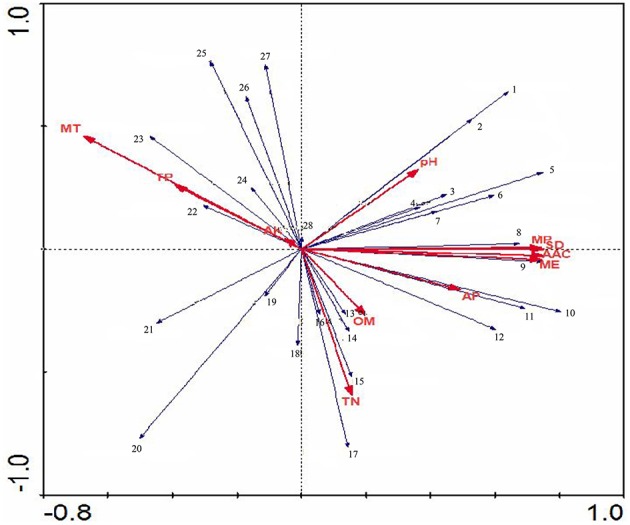
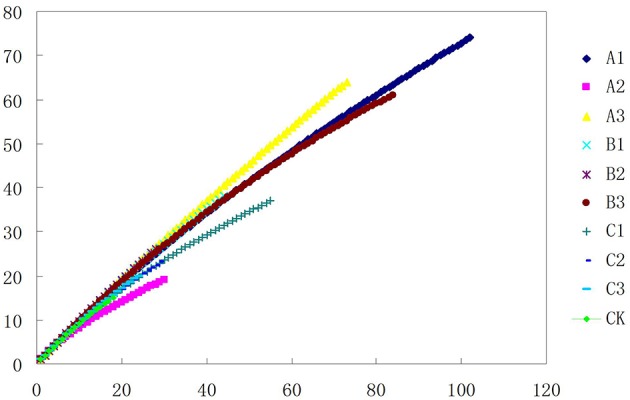
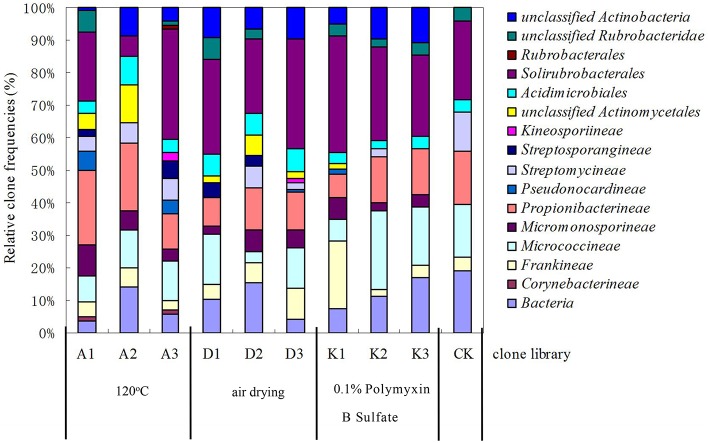
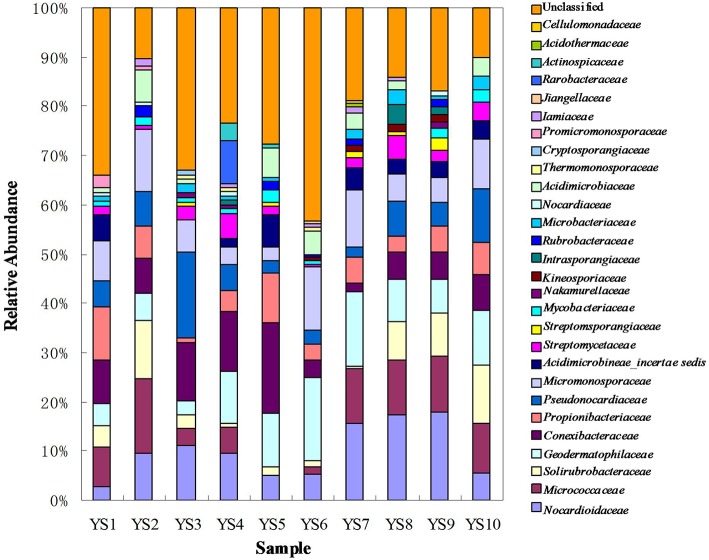
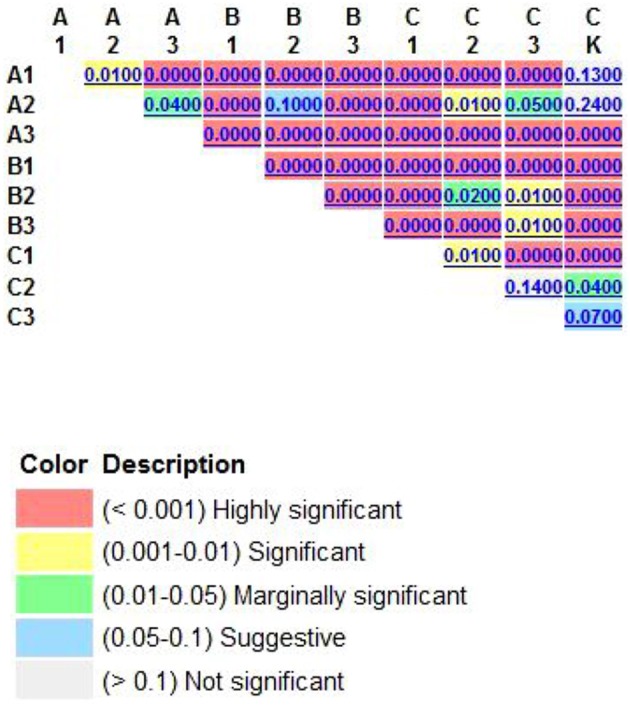
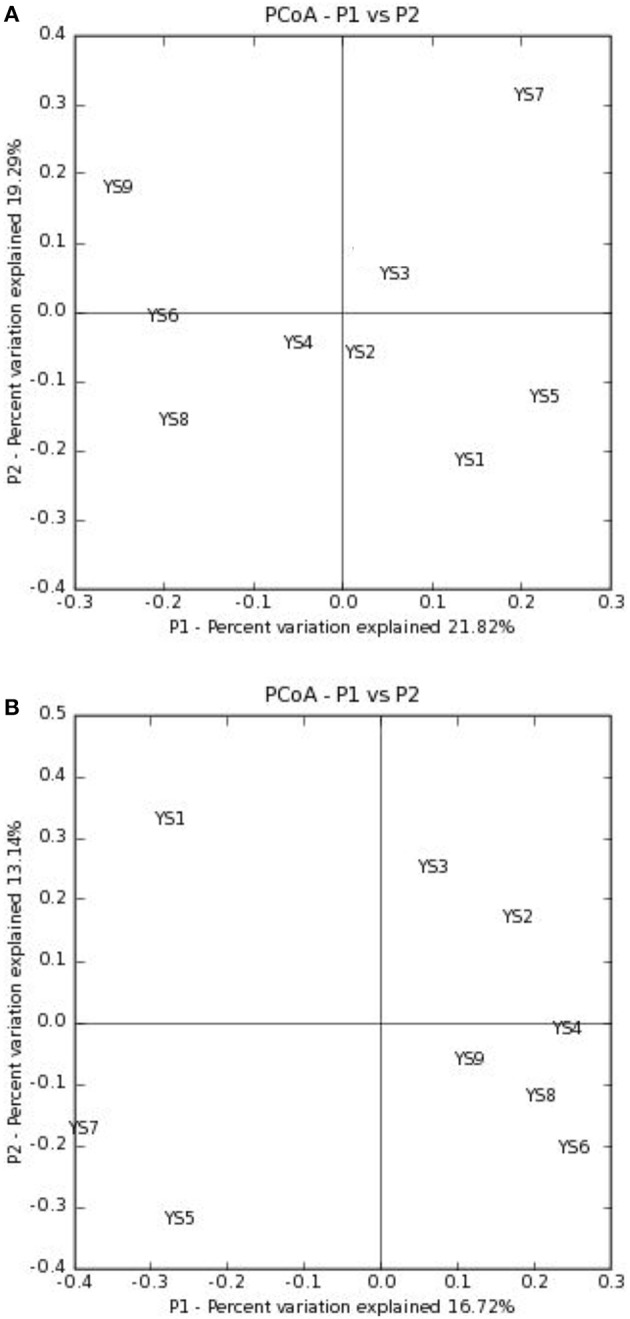
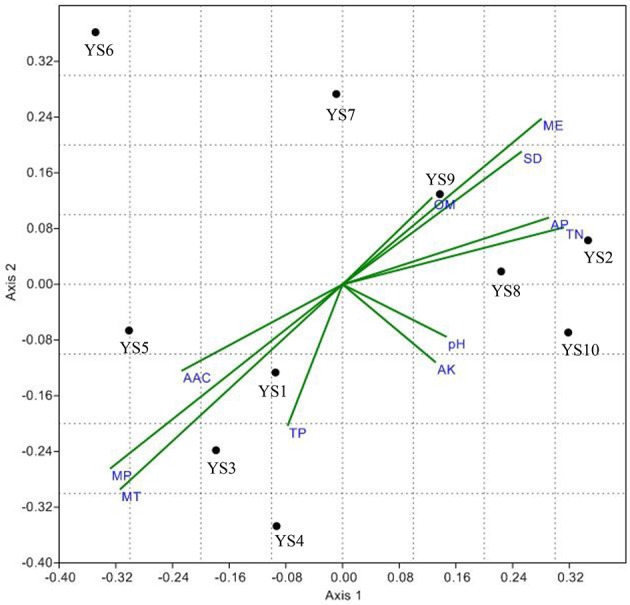
The Yanshan Mountains are one of the oldest mountain ranges in the world. They are located in an ecologically sensitive zone in northern China near the Hu Huanyong Line. In this metagenomic study, we investigated the diversity of Actinobacteria in soils at 10 sites (YS1-YS10) on the Yanshan Mountains. First, we assessed the effect of different soil prtreatment on Actinobacteria recovery. With the soil pretreatment method: air drying of the soil sample, followed by exposure to 120°C for 1 h, we observed the higher Actinobacteria diversity in a relatively small number of clone libraries. No significant differences were observed in the Actinobacterial diversity of soils from sites YS2, YS3, YS4, YS6, YS8, YS9, or YS10 (P > 0.1). However, there were differences (P < 0.05) from the YS7 site and other sites, especially in response to environmental change. And we observed highly significant differences (P < 0.001) in Actinobacterial diversity of the soil from YS7 and that from YS4 and YS8 sites. The climatic characteristics of mean active accumulated temperature, annual mean precipitation, and annual mean temperature, and biogeochemical data of total phosphorus contributed to the diversity of Actinobacterial communities in soils at YS1, YS3, YS4, and YS5 sites. Compared to the climatic factors, the biogeochemical factors mostly contributed in shaping the Actinobacterial community. This work provides evidence that the diversity of Actinobacterial communities in soils from the Yashan Mountains show regional biogeographic patterns and that community membership change along the north-south distribution of the Hu Huanyong Line.
燕山山脉是世界上最古老的山脉之一。它们位于中国北方靠近胡焕庸线的生态敏感地带。在这项宏基因组研究中,我们调查了燕山山脉10个地点(YS1 - YS10)土壤中放线菌的多样性。首先,我们评估了不同土壤预处理对放线菌回收的影响。采用土壤预处理方法:将土壤样品风干,然后在120°C下暴露1小时,我们在相对较少数量的克隆文库中观察到了较高的放线菌多样性。在YS2、YS3、YS4、YS6、YS8、YS9或YS10地点的土壤放线菌多样性方面未观察到显著差异(P > 0.1)。然而,与YS7地点和其他地点存在差异(P < 0.05),尤其是在对环境变化的响应方面。并且我们观察到YS7地点土壤的放线菌多样性与YS4和YS8地点土壤的放线菌多样性存在极显著差异(P < 0.001)。平均活动积温、年平均降水量和年平均温度的气候特征以及总磷的生物地球化学数据促成了YS1、YS3、YS4和YS5地点土壤中放线菌群落的多样性。与气候因素相比,生物地球化学因素在塑造放线菌群落方面贡献更大。这项工作提供了证据,表明燕山山脉土壤中放线菌群落的多样性呈现出区域生物地理模式,并且群落组成沿胡焕庸线的南北分布而变化。